

Your digging level
Description
Wizard rock (often shortened to "wrock") is a fan-driven rock movement whose songs are written from within the Harry Potter universe—frequently in the first person from the perspective of specific characters, objects, or institutions.
Musically, it pulls from indie rock, punk rock, pop punk, and lo‑fi DIY aesthetics, while some acts lean toward synth‑pop and electropop. Performances have historically favored all‑ages spaces like libraries and community centers, and the scene emphasizes humor, storytelling, and participatory sing‑alongs.
As a community, wizard rock is closely tied to fandom culture and grassroots activism, with many releases and tours supporting charities and literacy initiatives.

History
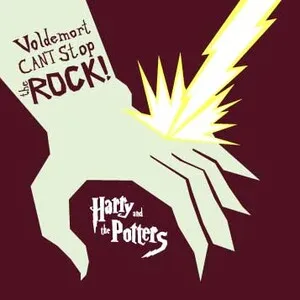
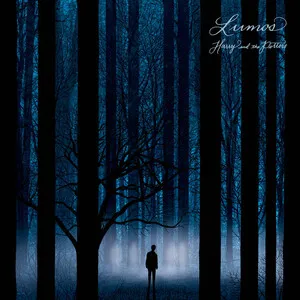
Wizard rock emerged in the United States in the early 2000s. Harry and the Potters—widely credited as the scene’s foundational band—began performing in 2002, crafting upbeat, hooky songs voiced as different versions of the series’ protagonist. Their shows in libraries and community spaces established a template: all‑ages access, narrative lyrics, and a playful, DIY approach.
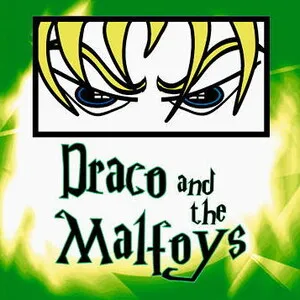
By the mid‑2000s, new bands such as Draco and the Malfoys, The Whomping Willows, The Moaning Myrtles, The Remus Lupins, and The Mudbloods broadened the sound and character perspectives. Social platforms (notably MySpace and fan forums) helped recordings and tour news spread quickly. Dedicated events and fan conventions (including wizard‑rock‑focused stages and gatherings) nurtured a touring circuit, while scene‑specific compilations and EP clubs raised funds for literacy and social‑justice nonprofits connected to the fandom.
Fan‑run festivals (often dubbed “Wrock” events) and programming at major fan conventions provided recurring hubs for the scene. Many bands collaborated on charity releases and benefit tours, reinforcing wizard rock’s ties to youth engagement, libraries, and community activism. As the main Harry Potter book/film cycle concluded, the scene stabilized into a niche yet persistent subculture.
Streaming and social video allowed both established acts and newcomers to maintain momentum with singles, livestreams, and themed releases. While the movement remains grassroots, wizard rock retains a distinct identity within wider geek‑music and filk communities, valued for its character‑driven storytelling, humor, and participatory spirit.

Top albums
Best playlists




