Your digging level

For this genre
0/8
🏆
Sign in, then listen to this genre to level up

Description

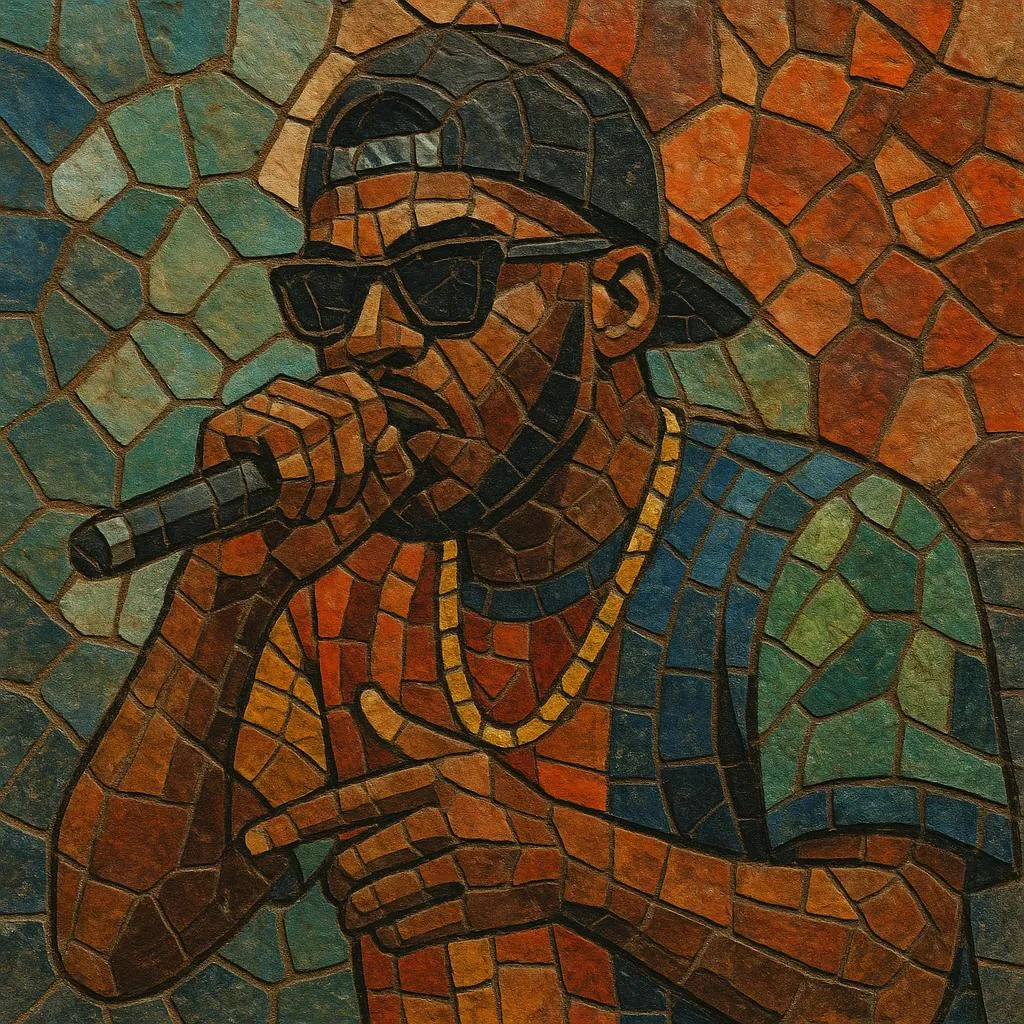
Venda rap is a regional form of South African hip hop performed primarily in Tshivenda (and often code‑switched with English and other South African languages).

It blends boom‑bap and trap drum programming with local rhythmic sensibilities, occasionally folding in log‑drum textures from amapiano and percussive patterns reminiscent of traditional Venda dances (like tshikona and malende). Lyrically it centers everyday life in Limpopo (especially the Vhembe district), township hustle, celebration, humor, and pride in Venda identity, totems, and clan histories. The result is a street‑level, hook‑driven sound that balances hard bars with sing‑along choruses and call‑and‑response ad‑libs.


Sources: Spotify, Wikipedia, Discogs, RYM, MB, user feedback and other online sources

History

Origins

Venda rap crystallized in Limpopo’s Vhembe district as local MCs adopted South African hip hop’s township aesthetics while foregrounding Tshivenda language and cultural references. Early home‑studio recordings and campus/community radio play in the late 2000s set the groundwork, but it was the 2010s—when affordable DAWs and smartphones proliferated—that the scene cohered.

The 2010s breakout

Mixtape culture, YouTube, and regional Facebook pages helped MCs circulate tracks beyond local clubs and taxis. Producers fused 808‑driven trap with Kwaito’s bounce and, later, amapiano’s log‑drum palettes, while rappers leaned into Venda idioms, boasts, clan praises, and township narratives. Collaborations with neighboring Limpopo artists and cross‑shows in Thohoyandou, Louis Trichardt (Makhado), and Polokwane widened the audience.

Digital acceleration

From the late 2010s into the 2020s, playlisting on streaming services and viral performance clips pushed Venda rap to national ears. A flexible sonic identity—able to sit on trap, boom‑bap, or amapiano‑adjacent beats—kept it club‑ready and radio‑friendly. The scene also embraced DIY visuals: performance cyphers, street videos, and dance challenges helped codify its look and movement.

Place within South African hip hop

Venda rap stands alongside isiZulu, Sesotho, Setswana, Xitsonga, and isiXhosa rap movements as part of a multilingual South African hip‑hop ecosystem. Its distinctiveness comes from the Tshivenda lexicon, tonal flow choices, and local rhythmic phrasing that borrows feel from Venda traditional music—signaling regional pride while remaining legible within broader SA hip hop.

How to make a track in this genre

Rhythm and tempo
•   Start with trap or boom‑bap skeletons: 65–75 BPM (half‑time trap feel) or 88–100 BPM (boom‑bap bounce). For club‑forward tracks, try 100–110 BPM with Kwaito swing or fold in amapiano‑style log drums at 112–115 BPM. •   Program punchy 808 kicks, crisp rimshots/claps, and syncopated hi‑hats (alternating straight 1/16s with stutters and triplets). Add percussive layers (shakers, congas, claps) to evoke township party energy.
Harmony and melody
•   Keep harmony sparse—minor keys and pentatonic motifs work well. Use short, catchy synth leads, airy pads, or guitar licks for hooks. •   Consider melodic call‑and‑response choruses that crowd can chant. Auto‑tuned toplines over rap verses are common.
Vocals and flow
•   Write primarily in Tshivenda; code‑switch to English for punchlines or hooks. Lean into tonal contours of Tshivenda for internal rhyme and rhythm. •   Mix grit and melody: 8–12 bar rap sections with tight internal rhymes, followed by a sung or chanted hook. Use ad‑libs and crowd responses (e.g., name shouts, totem references) to localize the track.
Cultural signifiers
•   Reference local places (e.g., Vhembe villages/townships), clan totems, and everyday imagery. Storytelling, braggadocio, humor, and social commentary all fit. •   Tastefully sample or emulate traditional textures—e.g., tshikona pipe‑band feel or malende hand‑drum patterns—then ground them with modern 808s.
Production tips
•   Sidechain bass to the kick for club translation. Saturate 808s lightly; keep vocals forward and dry enough to cut through. For amapiano‑leaning tracks, design a distinctive log‑drum pattern and let vocals ride the groove. •   Arrange for impact: intro tag, 16 (or 12) bar verse, big hook, short post‑hook drop, second verse/feature, and a final chant‑outro.

Main artists

Top tracks

Locked
Share your favorite track to unlock other users’ top tracks

Upcoming concerts

in this genre
Influenced by
Has influenced
No genres found

Download our mobile app

Get the Melodigging app and start digging for new genres on the go
© 2026 Melodigging
Melodding was created as a tribute to Every Noise at Once, which inspired us to help curious minds keep digging into music's ever-evolving genres.
Buy me a coffee for Melodigging