Your digging level
Description
Swedish black metal is a national strain of black metal known for its combination of searing aggression and distinctly melodic, often “epic,” guitar writing. Compared with the deliberately lo‑fi, frostbitten sound associated with early Norwegian black metal, the Swedish variant more frequently embraces clearer, heavier production and a martial, blast‑beat‑driven intensity.
Signature elements include tremolo‑picked riffing that leans on minor and harmonic minor tonalities, rapid double‑kick patterns, rasped vocals, and a dark, occult lyrical focus. A number of Swedish groups helped push black metal toward sharper precision, high‑velocity extremity, and memorable melodic themes, influencing later melodic, symphonic, and blackened death offshoots.
History
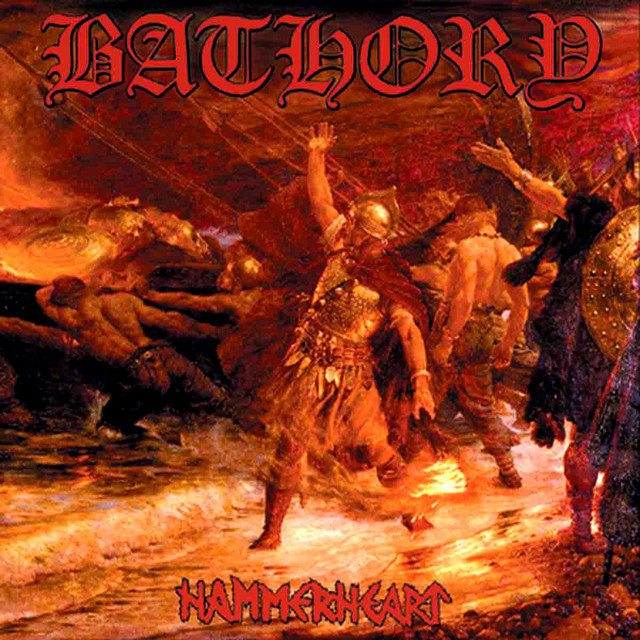
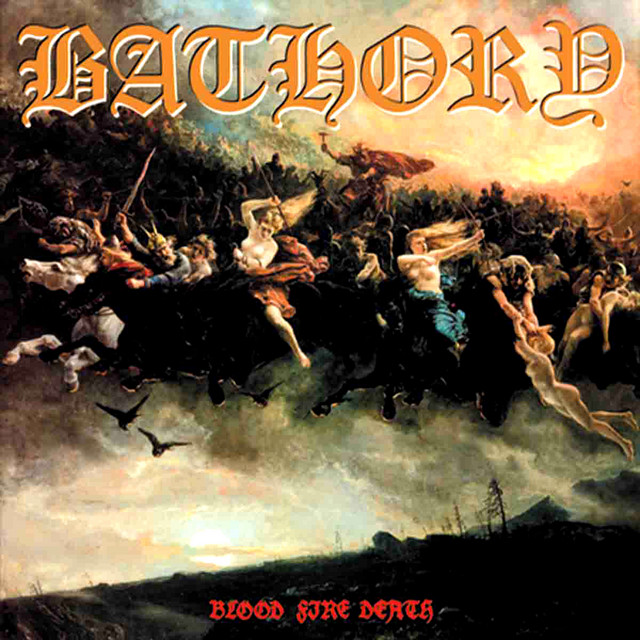
Bathory, formed in Sweden in the early 1980s, is a cornerstone of black metal’s first wave. Early Bathory records set templates for raw tremolo riffing, reverb‑drenched vocals, satanic themes, and primitive ferocity. Although Bathory soon pivoted toward viking metal, those formative albums provided the foundational Swedish contribution to black metal’s DNA.
A distinct Swedish scene coalesced in the early 1990s as tape‑trading networks and extreme metal fanzines connected musicians. Bands such as Marduk, Dissection, Necrophobic, and Dark Funeral codified a fast, aggressive yet comparatively polished approach. Clearer production, relentless blasting, and cold, memorable guitar motifs set the tone for Sweden’s take on the style.
Groups including Dissection, Dawn, Sacramentum, and Naglfar integrated Swedish death‑metal precision and melodic sensibilities into black metal rhythms and aesthetics, helping to crystallize what would become known as melodic black metal. Counterpointed tremolo lines, harmonized leads, and minor‑key, “epic” progressions became hallmarks of this branch.
Sweden’s second generation (e.g., Watain, Setherial, and others) intensified both performance standards and theatrical presentation. Touring infrastructure, clearer recordings, and consistent releases spread the Swedish sound globally, shaping everything from symphonic and melodic black metal to blackened death metal and high‑speed “war‑style” extremity.
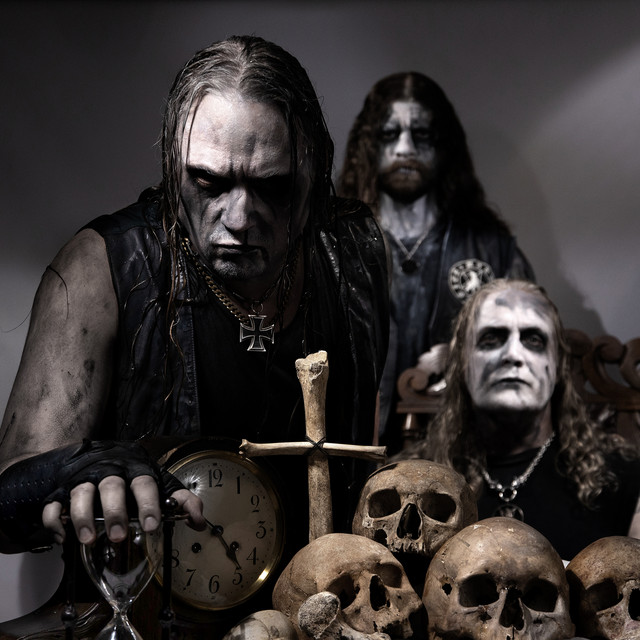
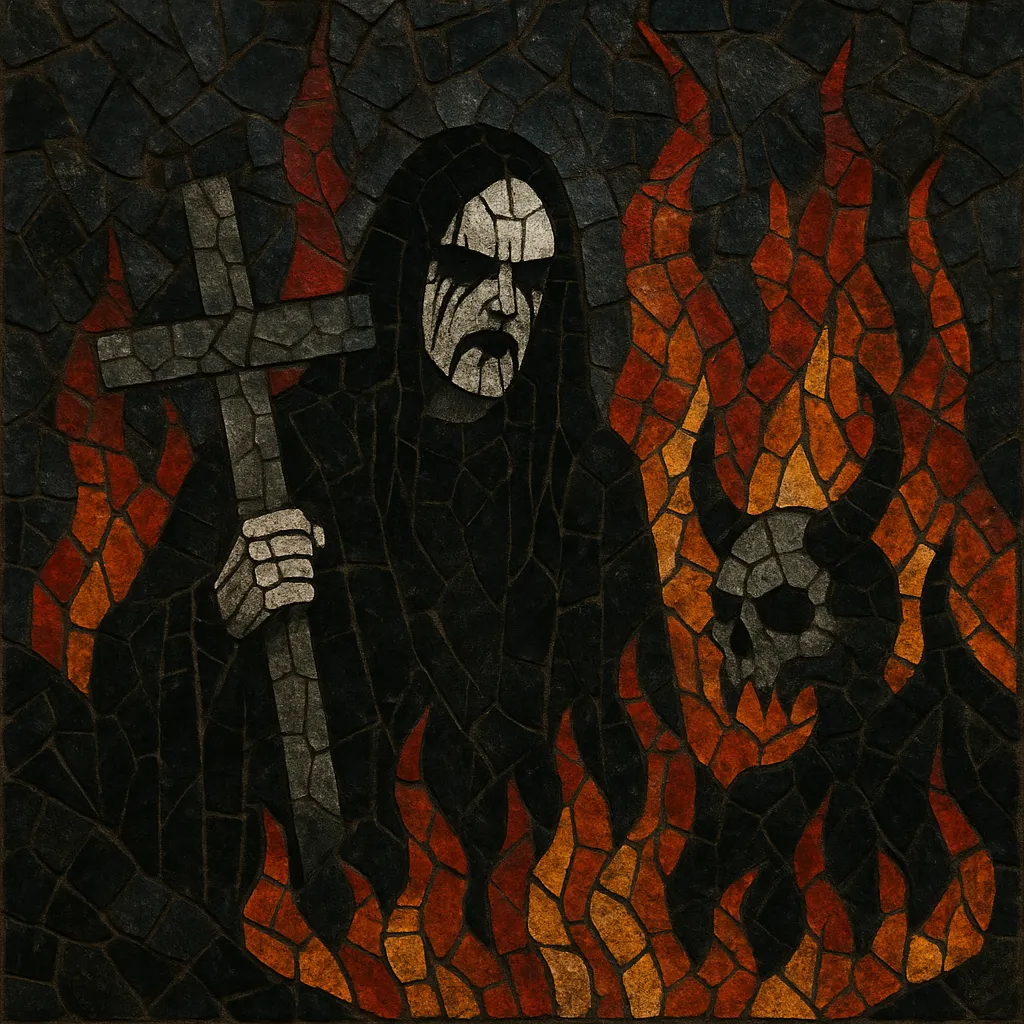
While satanic, anti‑clerical, and occult themes remain central, Swedish black metal often emphasizes atmospheres of martial grandeur, nihilism, and apocalyptic imagery. Corpsepaint, leather and spikes, and stark visual iconography reinforce the music’s confrontational ethos.