Your digging level
Description
Swedish ballads (svenska visor) are narrative, melody-forward songs that fuse the Scandinavian folk "visa" tradition with popular songcraft and light classical and cabaret influences.
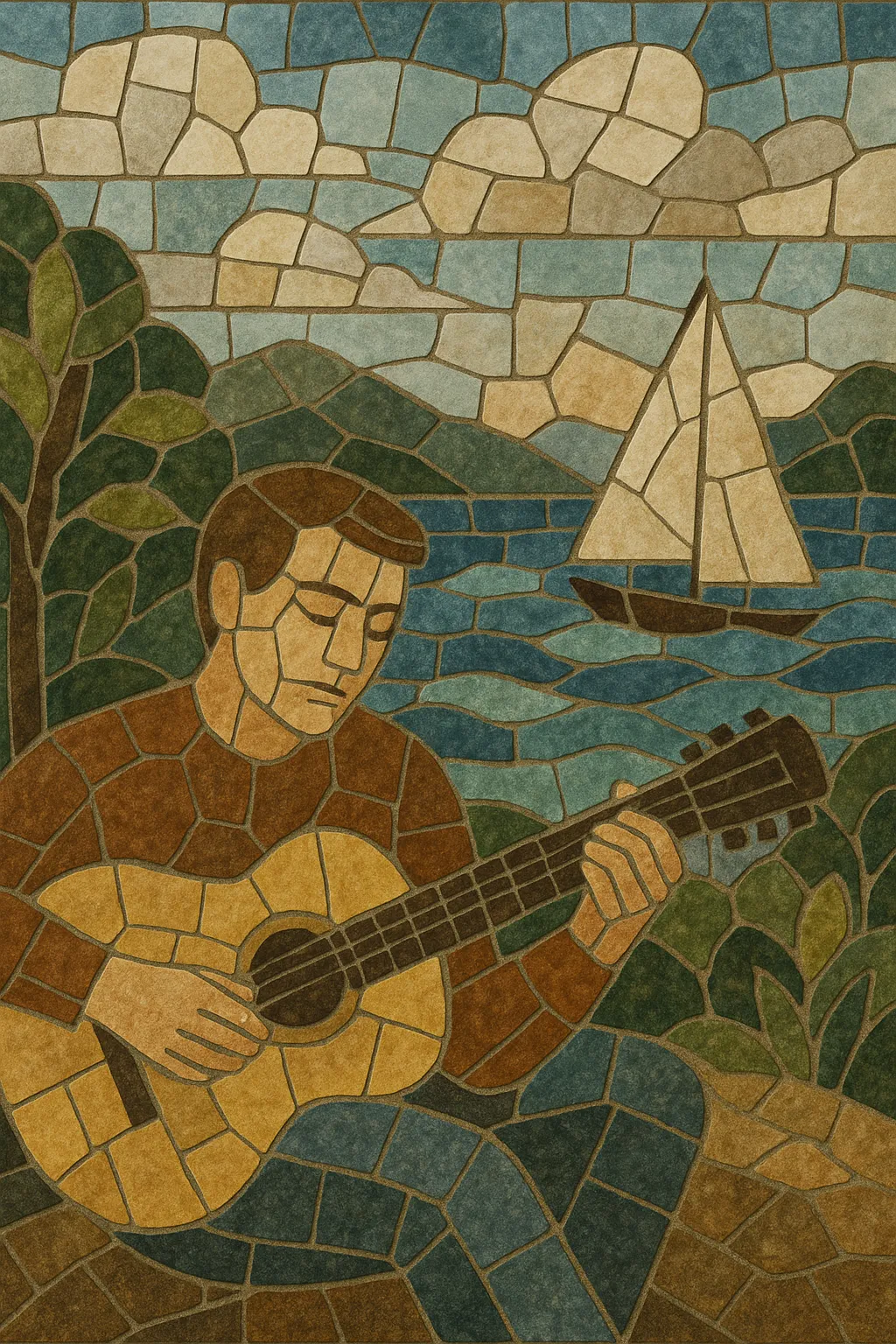
They are typically performed in Swedish with clear diction, placing storytelling at the center—often evoking nature, the sea, travel, love, and the distinct Swedish sense of wistful melancholy (vemod).
Musically, Swedish ballads favor singable melodies, gentle tempos (often in 3/4 or slow 4/4), and diatonic harmonies enriched by tasteful color tones and occasional modal inflections. Arrangements tend to be intimate—voice with acoustic guitar or piano—sometimes embellished by strings, woodwinds, or soft jazz instrumentation.
History
Sweden’s ballad tradition descends from the broader Nordic “visa/visor” repertoire and medieval ballads (medeltida ballader), orally transmitted for centuries and later collected by folklorists in the 19th century. These narrative songs, with simple strophic forms and modal coloring, laid the foundation for a modern, literate ballad idiom.
The modern Swedish ballad coalesced in the 1920s–30s as troubadours and composer-poets brought folk-rooted storytelling into salons, cabarets, and recordings. Evert Taube became the archetypal figure, blending coastal imagery, travel tales, and poetic lyricism with memorable melodies and gently sophisticated harmony.
A golden era followed with Cornelis Vreeswijk and Fred Åkerström expanding the tradition—incorporating blues and jazz shadings, sharper social realism, and reinterpretations of classic material. Parallel to this, Sweden’s schlager and pop spheres embraced the heartfelt ballad format, normalizing the intimate Swedish-language love song as a mainstream staple.
Ballads flourished across pop, jazz, and theater. Artists such as Monica Zetterlund and Helen Sjöholm carried the style into jazz-tinged settings and musical theater; Ted Gärdestad and Mauro Scocco popularized romantic pop ballads on radio and TV. A new generation of singer-songwriters (e.g., Lars Winnerbäck) reconnected the tradition to contemporary folk-pop.
Streaming broadened the audience for Swedish-language ballads—from roots-conscious interpretations (e.g., Sofia Karlsson) to modern pop and indie contexts. The core traits remain: vivid Swedish storytelling, emotive but understated vocals, elegant harmonies, and a lingering sense of vemod that continues to define the sound.