Description
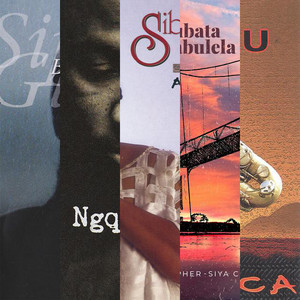
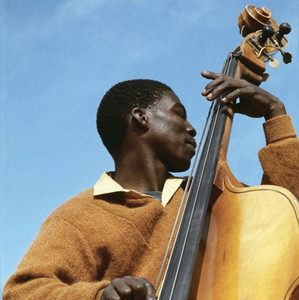
South African jazz is a national scene within jazz rather than a single, uniform style. Its musicians have worked in settings ranging from nightclubs and dance venues to musical theatre, developing their playing through performance and jam sessions.
Its currents include bebop, represented by the Jazz Epistles and the Blue Notes, and Cape Jazz, which draws inspiration from local carnival music known as Goema. Marabi and kwela are also associated with the wider scene. Instrumental playing and singing both have a place in its history.
Based on: Wikipedia
More on: Every Noise at Once, Wikidata
History
Bebop and the local scene
Nightclubs, dances and jam sessions gave South African musicians opportunities to perform and learn. In the 1950s, the Jazz Epistles became one of the country's major bebop groups and made South Africa's first bebop record. The Blue Notes, led by pianist Chris McGregor, were also active in the local scene.
Theatre and apartheid
The musical King Kong offered social commentary on young Black South Africans and featured arrangements and performances by South African jazz musicians. It opened before an integrated audience at the University of the Witwatersrand despite government opposition. Its later London run gave many musicians an opportunity to leave the country.
Following the Sharpeville Massacre in March 1960, the apartheid government increased censorship and closed venues and events that employed or catered to both Black and white people. Many jazz musicians left South Africa to find work, including Abdullah Ibrahim, Sathima Bea Benjamin, Hugh Masekela and Miriam Makeba.
Cape Jazz
Another current, Cape Jazz, originated in Cape Town and surrounding towns and took inspiration from the area's carnival music, sometimes called Goema.
Choose a current
Start with the scene's variety rather than searching for a single South African jazz formula. You could work from the bebop associated with the Jazz Epistles and the Blue Notes, or explore the connection between Cape Jazz and Goema carnival music.
Arrange and improvise
For a bebop-oriented piece, you could write a theme for horns and piano, then leave room for improvised solos. The Jazz Epistles' lineup included trombone, trumpet, saxophone and piano; a group drawing on that example could use contrasting horn lines and piano accompaniment.
Develop the performance
A common jazz approach is to rehearse the theme and harmonic framework while leaving space for musicians to respond to one another. You could also build a danceable pulse, reflecting the scene's history of performances at dances, or include a singer alongside the instrumental ensemble.