Description
The Second British Invasion was a surge in the popularity of British pop acts in the United States during the 1980s, rather than a musical style or a single local scene. Many of its prominent acts worked in synth-pop and new wave, while the wider influx also included pop-rock and rock performers. Their music ranged from electronic, danceable pop to guitar-oriented songs and ballads.
What connected the acts was not a uniform sound but a taste for experimentation within pop and an unusually strong visual presence. Image-conscious videos helped introduce British performers to American audiences through MTV. Mainstream commentators praised the influx for bringing colour and energy to pop, while many rock journalists criticised it as an emphasis on image over substance.

Sweet Dreams: How Eurythmics Shocked America and Made MTV I New British Canon
Trash Theory

The 2nd British Invasion: How Synthpop and New Wave Changed America
80s New Wave Music

20 FORGOTTEN BANDS of the 2nd BRITISH INVASION! (1980s)
RETRO REMIX

The Second British Invasion of the 80's | #017
Grant's Rock Warehaus
History
Before the surge
British music in the late 1970s and early 1980s reflected the aftermath of punk and new wave. Some British acts had already found American listeners: the Police reached the US Top 40 with “Roxanne” in 1979. MTV launched in 1981 and played numerous British new wave videos; exposure on the channel could translate into record sales and radio requests.
Breakthrough and peak
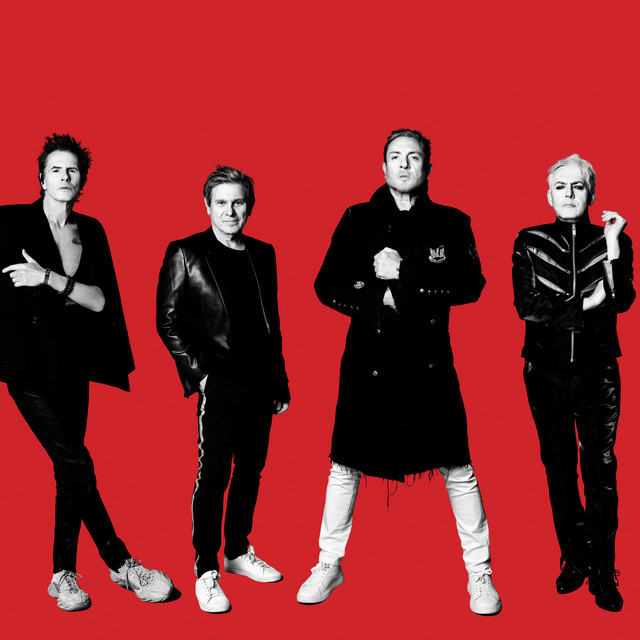
The Second British Invasion began in the summer of 1982 and peaked in 1983. In July 1982, the Human League’s “Don’t You Want Me” began a three-week run at the top of the Billboard Hot 100. Soft Cell’s “Tainted Love” also became a long-running American chart hit. Duran Duran’s polished videos came to symbolise MTV’s influence, while Culture Club and Spandau Ballet were among the British acts attracting intense teenage enthusiasm.
The influx was broad: Eurythmics were associated with the technologically oriented pop marketed as “new music”, while rock acts such as Simple Minds also joined it. In 1983, British acts accounted for 30% of US record sales.
Change and legacy
As the decade progressed, American performers became more adept at using videos and catchy singles. Glam metal and dance music displaced Second Invasion acts at the top of the US charts in the late 1980s, although British acts continued to score hits. The episode left a prominent example of how music television and a carefully developed visual identity could help pop travel across the Atlantic.
Build a pop song
Start with a memorable vocal hook and a clear, repeatable chorus. The Second British Invasion encompassed several sounds rather than one formula, so you could lean toward electronic pop, a ballad or a more guitar-oriented arrangement. Keep the song accessible while allowing room for an unexpected melodic or textural idea.
Shape the arrangement
For a synth-pop approach, you could combine a synthesizer hook, an electronic bass part and programmed drums, arranging them to leave space for the lead vocal. A new wave approach might bring in rhythm guitar and a live-sounding bass line alongside keyboards. Emphasise a danceable pulse if that suits the song, but vary the instrumentation and dynamics between sections to keep the arrangement moving.
Consider the visual presentation
Think of the video as part of the song’s presentation rather than merely a record of a performance. Develop a distinctive look and a visual concept that complements the music; the movement’s performers often reached American audiences through image-conscious videos.



Best playlists
Second British Invasion
jbrotmann1
second british invasion
KFRG
British Second Invasion
daniel.higley-us
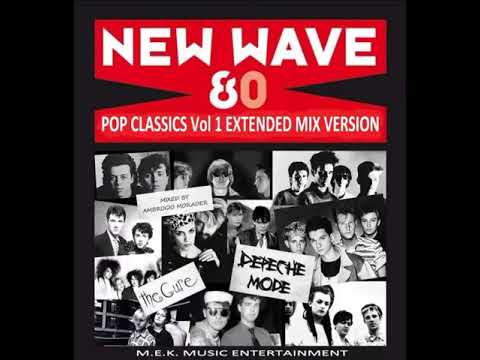
New Wave & Pop Classics 80s - Depeche Mode, Simple Minds, New Order & More - Full Length DJ Mixes.
MEK MUSIC ENTERTAINMENT