


Your digging level
For this genre
0/8
🏆
Sign in, then listen to this genre to level up
Description
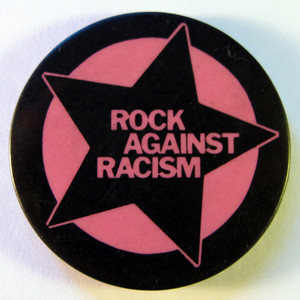
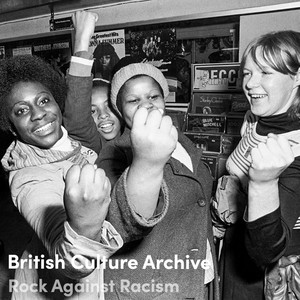
Rock Against Racism was an anti-racist political and cultural movement that began in the United Kingdom in 1976. Rather than a musical style of its own, it brought musicians and audiences together at concerts and demonstrations, connecting punk rock, reggae and other music through a commitment to racial solidarity.
Its events placed the direct, guitar-driven attack of punk alongside reggae’s prominent bass and offbeat rhythms. Mixed bills and multiracial closing jams helped distinguish the scene, while songs about solidarity and opposition to fascism gave some performances an explicitly political focus.
History
Formation
Rock Against Racism began in the UK in 1976 amid racist street attacks and support for the National Front. It was prompted in part by racist remarks Eric Clapton made at a Birmingham concert. Photographer Red Saunders and members of the theatre group Kartoon Klowns wrote to the NME objecting to his remarks and calling for a multiracial movement.
Concerts and organisation
The first Rock Against Racism concert took place in London in November 1976, with Carol Grimes and the reggae group Matumbi headlining. It established a practice of closing gigs with a multiracial jam. Local chapters subsequently organised concerts and demonstrations across the UK.
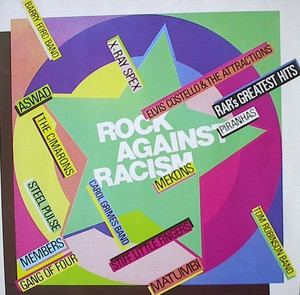
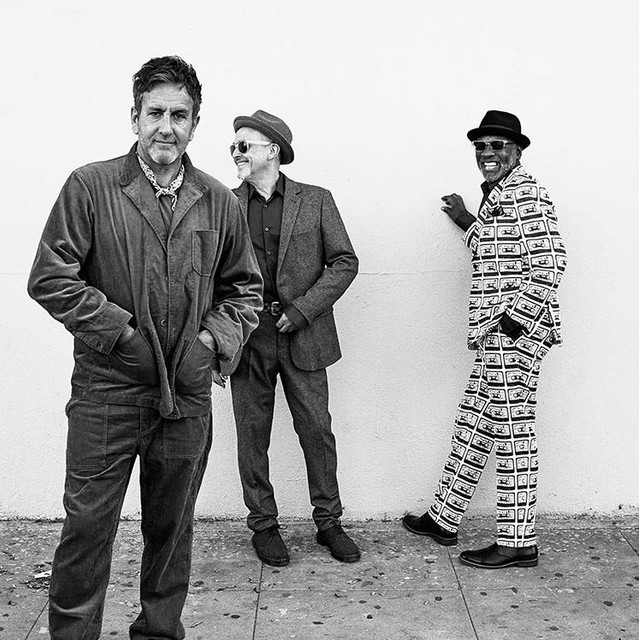
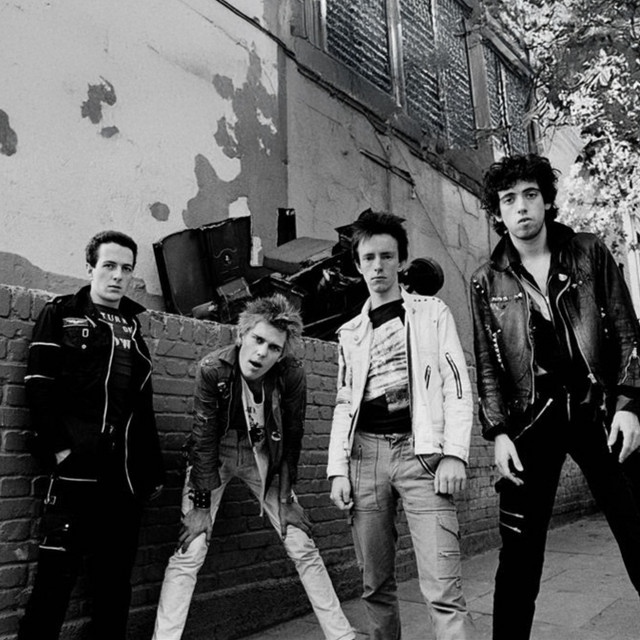
Artists who took part included punk and new wave groups such as The Clash and the Tom Robinson Band, appearing alongside Black British reggae groups including Steel Pulse, Misty in Roots and Aswad. The movement also published the fanzine Temporary Hoarding and released the compilation RAR’s Greatest Hits through Virgin in 1980.
Later activity and legacy
Rock Against Racism organised carnivals with the Anti-Nazi League from 1979 to 1981. It was highly active into the early 1980s, spread overseas and influenced the ethos of first-wave British punk rock. Activity declined after the mid-1980s, although some local chapters continued and the Love Music Hate Racism campaign revived the idea in the 2000s.
Choose a musical approach
Work within punk rock or reggae rather than treating Rock Against Racism as a separate sound. For a punk approach, build a direct arrangement around electric guitar, bass and drums. For a reggae approach, let the bass carry a strong rhythmic role and use guitar or keyboard accents on the offbeats.
Connect the performances
The scene’s concerts brought different genres onto the same bill. To evoke that format, pair contrasting punk and reggae arrangements, or leave room for musicians from different groups to join a closing jam.
Write the lyrics
Use themes associated with the movement, such as multiracial solidarity and opposition to fascism. A song can address those subjects directly without needing to follow a single prescribed musical style.
Best playlists
Users’ favorites
Tracks
Share your favorite track to see the other users’ ones
Artists
Share your favorite artist to see the other users’ ones
Albums
Share your favorite album to see the other users’ ones
Upcoming concerts
in this genre
