Your digging level

For this genre
0/8
🏆
Sign in, then listen to this genre to level up

Description

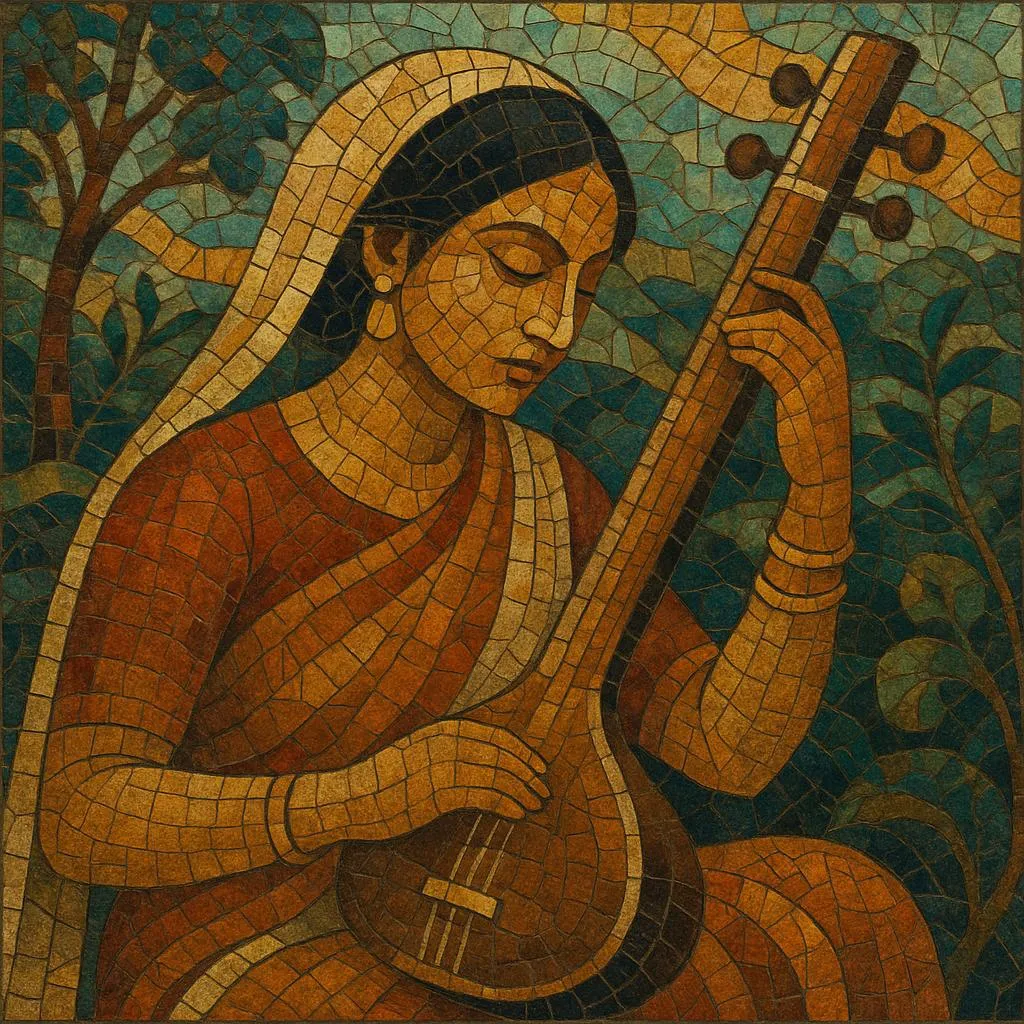
Rabindra Sangeet (Tagore Songs) denotes the corpus of approximately 2,232 songs written and composed by Bengali polymath Rabindranath Tagore. Blending Hindustani ragas, Bengali folk idioms, and selective Western and Celtic (especially Scottish) melodic ideas, the songs form a distinctive stream within the music of Bengal.

They encompass devotional (puja), nature (prakriti), love (prem), patriotic (swadesh), and dramatic/dance-theatre repertories, with lyrics in refined yet direct Bengali. Rabindra Sangeet is central to cultural life in both India and Bangladesh, where it is taught, codified, and performed in concert, pedagogy, and ritual contexts.


Sources: Spotify, Wikipedia, Discogs, RYM, MB, user feedback and other online sources

History

Roots and formation (late 19th–early 20th century)

Rabindra Sangeet emerged as Rabindranath Tagore began composing songs in the late 19th century, systematizing them in the early 1900s. Drawing on Hindustani ragas and Bengali folk genres such as Baul, Bhatiyali (boatmen’s songs), and Bhawaiya, Tagore also absorbed elements from Scottish/British airs and Western classical harmony. He paired this musical cosmopolitanism with lyrics written in elevated, modern Bengali, creating songs that were both literary and singable.

Codification and dissemination

The repertory was notated and curated within Tagore’s own institutional ecosystem—most notably at Santiniketan/Visva‑Bharati—where Dinendranath Tagore and others standardized notation and pedagogy. Collections such as Gitabitan organized the songs by theme. With gramophone records, radio (All India Radio), and concert culture, the idiom spread widely across Bengal and to diasporic communities. Two anthemic pieces from the corpus later became the national anthems of India and Bangladesh, underscoring the music’s civic and cultural reach.

Modern practice and legacy

In the mid- to late 20th century a lineage of celebrated singers shaped performance practice—balancing fidelity to notated melodies, diction, and tal (meter) with expressive nuance. Rabindra Sangeet continues to inform modern Bengali light-classical and popular song, stage, cinema, and choral traditions. Conservatories and broadcast media in India and Bangladesh sustain its pedagogy, while contemporary artists arrange the songs with chamber strings, piano, guitar, and choir—retaining the melody-forward ethos at its core.

How to make a track in this genre

Choose text and theme
•   Select one of the canonical thematic streams: puja (devotion), prakriti (nature/seasons), prem (love), swadesh (patriotic), or drama/dance. •   Write in literary yet clear Bengali with vivid imagery, natural prosody, and internal rhyme; the lyric drives the melody and phrasing.
Melodic language (raga-informed, melody-first)
•   Base the tune on a raga or raga-mix commonly heard in the corpus (e.g., Bhairavi, Khamaj, Kafi, Pilu, Desh, Bageshri, Bhupali), but allow Tagorean flexibility rather than strict khayal treatment. •   Keep taans and virtuosic improvisation restrained; favor meend (glide), murki, kan, and gentle andolan over extended alaap. •   Structure stanzas as sthāyī–antara (often two sections); occasional sanchari/abhog appear in dance/theatre items.
Rhythm and form (tal & laya)
•   Align textual scansion with tal cycles typical of the style: Dadra (6), Keherwa/Kaḥerwa (8), Rupak (7), Ektal (12), Teental (16). •   Maintain moderate tempos (madhya laya) for clarity of diction; slow devotional pieces or livelier seasonal songs can vary appropriately.
Harmony and arrangement
•   Core accompaniment: tanpura drone, harmonium/esraj or violin for melodic support, tabla/pakhawaj for tal. •   Tasteful Western touches (piano, strings, subtle guitar) are acceptable in modern arrangements, but the melody must remain primary and unaltered. •   Choral/unison settings suit festival and stage contexts; keep part-writing supportive, avoiding heavy reharmonization.
Diction and expression
•   Prioritize crisp Bengali enunciation; let word-accent shape melodic stress. •   Expressive delivery should be sincere and nuanced rather than operatic; aim for luminous tone and balanced ornamentation.
Practice discipline
•   Consult canonical notations (e.g., Gitabitan traditions) for pitch, rhythm, and phrasing; interpretive freedom lies in color, dynamics, and subtle ornament—not in changing the tune.

Top tracks

Locked
Share your favorite track to unlock other users’ top tracks

Upcoming concerts

in this genre
Influenced by
Has influenced

Download our mobile app

Get the Melodigging app and start digging for new genres on the go
Š 2026 Melodigging
Melodding was created as a tribute to Every Noise at Once, which inspired us to help curious minds keep digging into music's ever-evolving genres.
Buy me a coffee for Melodigging