Your digging level
Description
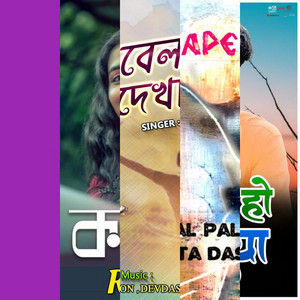
Purulia pop is a contemporary regional pop style from the Purulia district of West Bengal, India. It modernizes local folk idioms—especially Jhumur and festival songs—by blending them with dance‑pop and electronic production aimed at fairs, weddings, and YouTube audiences.
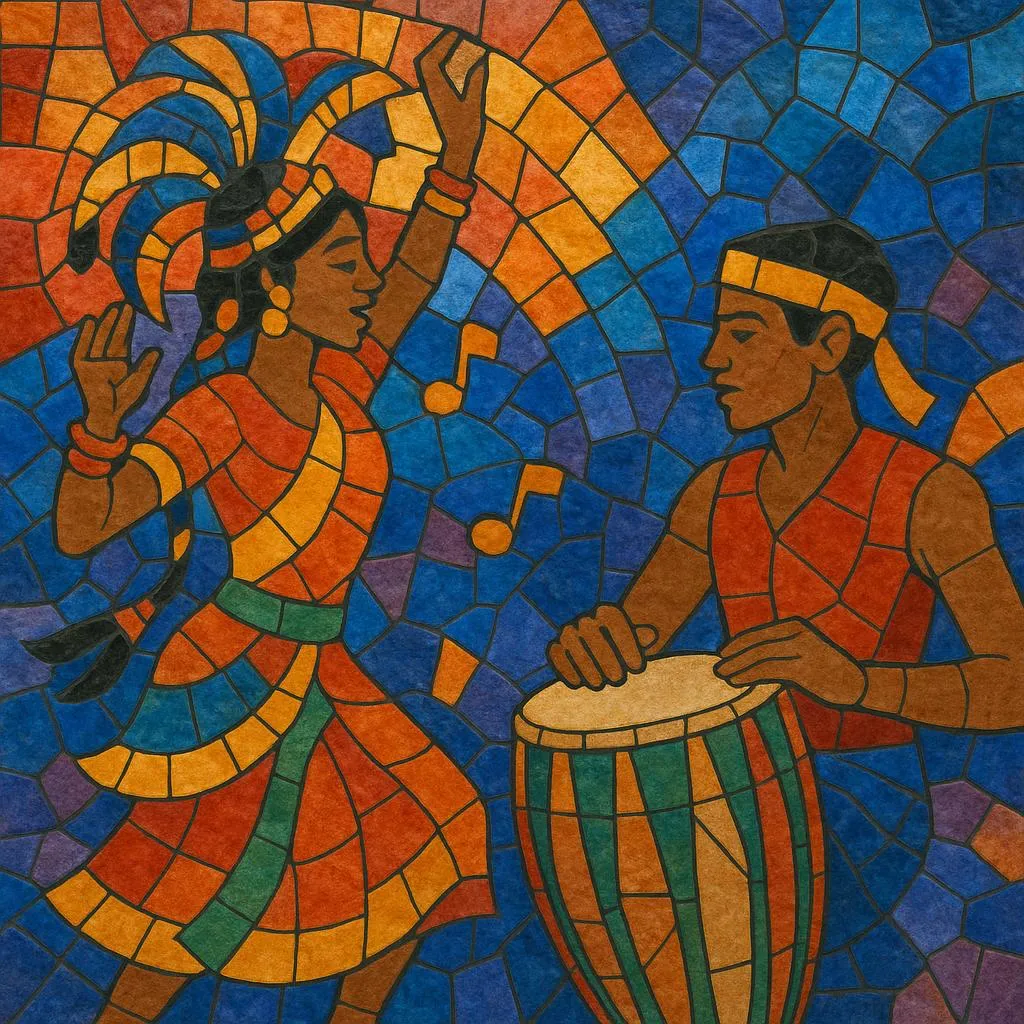
Typical tracks feature bright synthesizers, punchy four‑on‑the‑floor or folk‑derived percussion patterns, call‑and‑response hooks, and highly melodic vocals in Bengali (often the local Purulia/Kurmali dialect) and sometimes Santhali. Visuals and dance draw on local traditions such as Chhau and fairground culture, giving the music a distinctly place‑based identity while using mainstream Indian pop production tools.
History
Purulia’s musical life has long centered on Jhumur folk singing, seasonal festival repertoires (such as Tusu and Bhadu), and fairground performance. Through the 1990s–2000s, these repertoires began circulating on cassettes, VCDs, and local sound systems, seeding a taste for amplified, dance‑forward arrangements.
The widespread availability of inexpensive DAWs, arranger keyboards, and mobile video production in the early 2010s catalyzed a surge of locally produced “Purulia DJ songs.” Producers adapted Jhumur melodies to 4/4 kick patterns, layered them with synth leads and sampled folk timbres (shehnai, bansuri, dotara), and emphasized instantly singable refrains for stage shows and viral clips. Distribution shifted to YouTube and regional WhatsApp/Facebook networks, creating a decentralized scene driven by small studios and channel labels rather than national companies.
By the late 2010s, Purulia pop had a recognizable sonic palette: bright, compressed mixes; Auto‑Tuned toplines; tempo ranges friendly to social dance; and video aesthetics referencing village fairs, Chhau-inspired choreography, and local fashion. Lyrics commonly celebrate love, teasing banter, festival energy, and regional pride, keeping the folk storytelling feel while adopting contemporary pop structures.
The genre continues to professionalize—with better studio rigs, live sound, and choreographed stage troupes—while remaining rooted in community events. Cross‑border circulation into neighboring Jharkhand, Odisha, and the Bengali diaspora has expanded its audience. Collaborations with hip‑hop/dance producers and remix culture also appear, but the core identity remains a local folk‑pop fusion built for dancing and shared online.