Your digging level

For this genre
0/8
🏆
Sign in, then listen to this genre to level up

Description

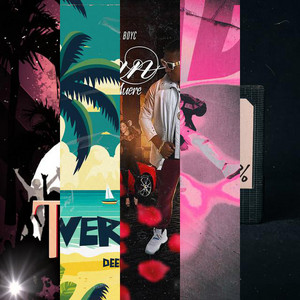
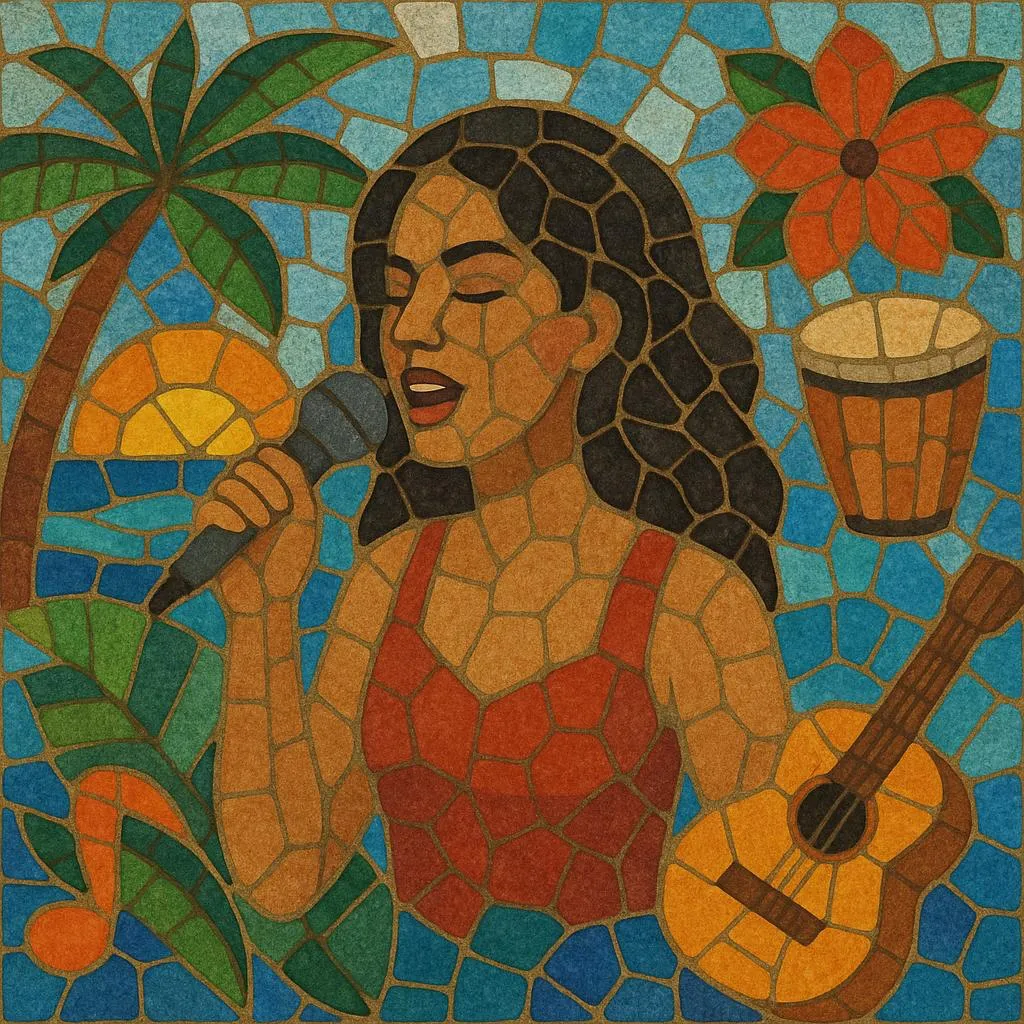
Costa Rican pop (pop costarricense) is the mainstream popular music created in Costa Rica that blends pan–Latin pop songwriting with local Caribbean and Central American colors.

It typically mixes Spanish-language hooks, polished vocal harmonies, and chart-friendly structures with influences from reggae and dancehall (reflecting the Afro-Caribbean culture of Limón), reggaeton/dembow grooves, synth-pop textures, and occasional rock or folk touches.

Across the 2010s–2020s the scene expanded through digital platforms, yielding a spectrum from glossy radio pop and ballads to urbano-inflected pop and indie synth-pop, while retaining a "Pura Vida" lyrical sensibility that favors romance, everyday stories, and upbeat, feel-good vibes.


Sources: Spotify, Wikipedia, Discogs, RYM, MB, user feedback and other online sources

History

Early foundations (1970s–1980s)

Costa Rican pop coalesced as local bands and singers began adapting international pop and rock idioms to Spanish lyrics and Costa Rican cultural references. Groups like Marfil bridged reggae/calypso colors with pop songcraft, setting a template for catchy choruses over Caribbean-inflected rhythms.

Consolidation and media era (1990s–2000s)

Through the 1990s, better studio infrastructure, FM radio, and televised music programs helped broaden audiences. Ballad-leaning acts and jazz-pop outfits such as Escats demonstrated a polished, musicianly approach to pop, while festival circuits and national awards raised the profile of homegrown artists. The scene absorbed rock en español, R&B, and electronic elements without losing its emphasis on melody and accessibility.

Globalization and crossover (2010s)

Streaming platforms and regional collaboration reshaped the sound. Artists like Debi Nova reached international stages with contemporary pop and R&B hybrids, while synth-pop/indie-pop projects (e.g., Patterns) showcased production-forward, electronic aesthetics. The influence of reggaeton, dancehall, and EDM grew, aligning Costa Rican pop with broader Latin trends.

The urbano-pop wave (late 2010s–2020s)

A new generation blended dembow patterns, trap-pop sensibilities, and dancehall grooves with singable pop hooks. Collaborations with Caribbean and Latin American producers became common, and San José-based studios developed a modern, bass-conscious sound. Despite stylistic diversity—from glossy ballads to club-ready singles—the genre remains unified by concise songwriting, memorable refrains, and a recognizably Costa Rican flavor.


How to make a track in this genre

Song form and harmony
•   Use concise pop structures (Intro–Verse–Pre–Chorus–Chorus–Verse–Pre–Chorus–Chorus–Bridge–Final Chorus). Keep choruses hook-driven and lyrically clear. •   Favor diatonic harmony (I–V–vi–IV, ii–V–I variants). For ballads, use piano-led progressions; for dance cuts, center on looped 4–8 bar cycles.
Rhythm and groove
•   For urbano-pop crossover, program dembow (reggaeton) at ~92–100 BPM with syncopated kick patterns and offbeat hi-hats. •   For reggae/dancehall-inflected pop, add a guitar or keys skank on the offbeats and a laid-back bass line around 75–95 BPM. •   For synth/dance-pop, use four-on-the-floor at 110–124 BPM with sidechained pads and a punchy, sub-supported kick.
Instrumentation and sound design
•   Core palette: lead vocal + backing stacks/doubles, electric or nylon guitar, electric bass or sub, drums/808s, synth pads/keys, and percussion (congas, shakers, timbales) for tropical color. •   Layer light guitars with plucky synths; use bright, modern leads for earworm motifs; sprinkle vocal chops post-chorus for energy.
Lyrics and delivery
•   Write in Spanish (often with Spanglish phrases). Themes: romance, everyday life, celebration, and the optimistic “Pura Vida” ethos. •   Keep verses conversational and choruses universal; prioritize singability and clear phrasing.
Production tips
•   Emphasize a clean top line: de-ess vocals, gentle saturation, and plate/room reverbs for sheen. •   Glue the groove with parallel compression on drums and subtle bus compression on the mix. •   Reference both Latin pop and local reggae/dancehall textures to retain a Costa Rican identity.

Top tracks

Locked
Share your favorite track to unlock other users’ top tracks

Upcoming concerts

in this genre
Influenced by
Has influenced
No genres found

Download our mobile app

Get the Melodigging app and start digging for new genres on the go
© 2026 Melodigging
Melodding was created as a tribute to Every Noise at Once, which inspired us to help curious minds keep digging into music's ever-evolving genres.
Buy me a coffee for Melodigging