Your digging level
Description
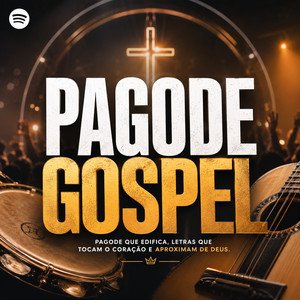
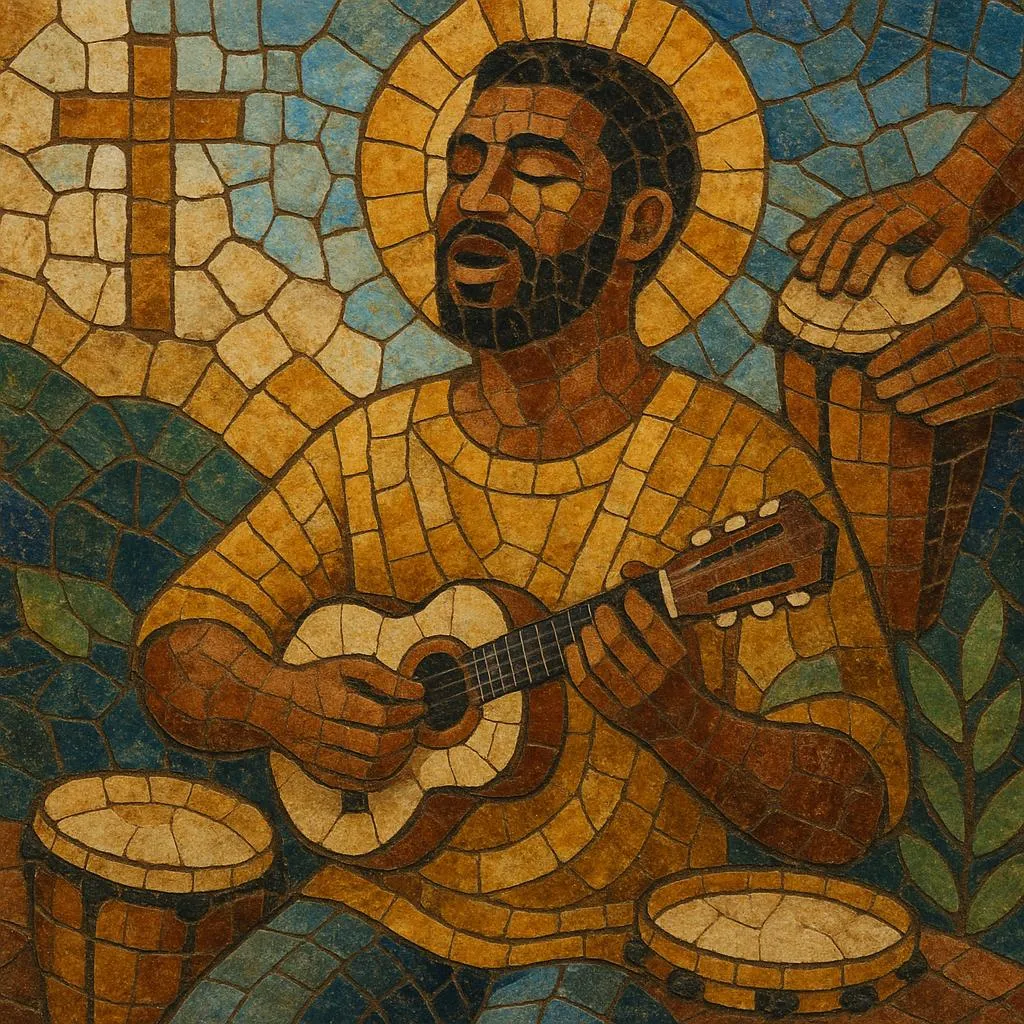
Pagode gospel is a Christian adaptation of Brazil’s pagode (a substyle of samba), keeping the same backyard–roda instrumentation and swing while replacing bohemian or romantic themes with evangelical praise, testimony, and everyday faith narratives.
Musically it preserves pagode’s acoustic core—cavaquinho or banjo‑cavaquinho strumming over the tantã/repique de mão/pandeiro groove, unison refrains, and call‑and‑response choros—while lyrics, prayers, and scripture references align it with Brazilian gospel and contemporary worship. The style gained visibility in churches and Christian circles in the 2000s under the nickname “Pra God” (from “pra” + “God”), i.e., “for God,” to distinguish it from secular pagode.
History
Pagode emerged in Rio de Janeiro’s samba circles at the turn of the 1980s, centered on informal backyard parties and a compact acoustic setup (tantã, repique de mão, pandeiro, cavaquinho), later popularized nationwide. This instrumental language and participatory ethos became the musical template later adopted by Christian artists.
From the early 2000s, evangelical performers began producing pagode with gospel lyrics, a movement nicknamed “Pra God” in Brazil to mark a devotional intent (“for God”). Groups and ministries such as PraGod Rio, Expressão do Louvor, Valentes de Davi and Pastor Ademar (Ministério Inovação) illustrate the style’s church‑based diffusion and repertoire of praise, testimony, and exhortation. Notably, singer Waguinho—originally from the mainstream pagode group Os Morenos—transitioned to gospel work in samba/pagode idioms, signaling the style’s crossover into Brazil’s contemporary Christian market.
Through the 2010s and 2020s the style has circulated on streaming platforms and social media via independent releases that keep the roda de samba feel but frame it as congregational or small‑group praise. Recent digital releases under the artist name Pagode Gospel (e.g., the 2025 album “Samba de Jesus”) show an ongoing, independent production ecosystem for pagode gospel content aimed at worship gatherings, youth events, and family‑friendly parties.
These choices retain pagode’s participatory swing while aligning text and affect with Brazilian gospel/worship practice.




Best playlists