Your digging level
Description
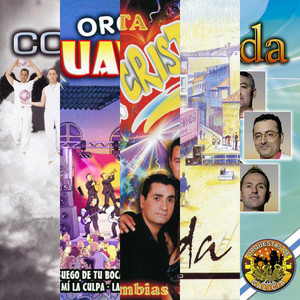
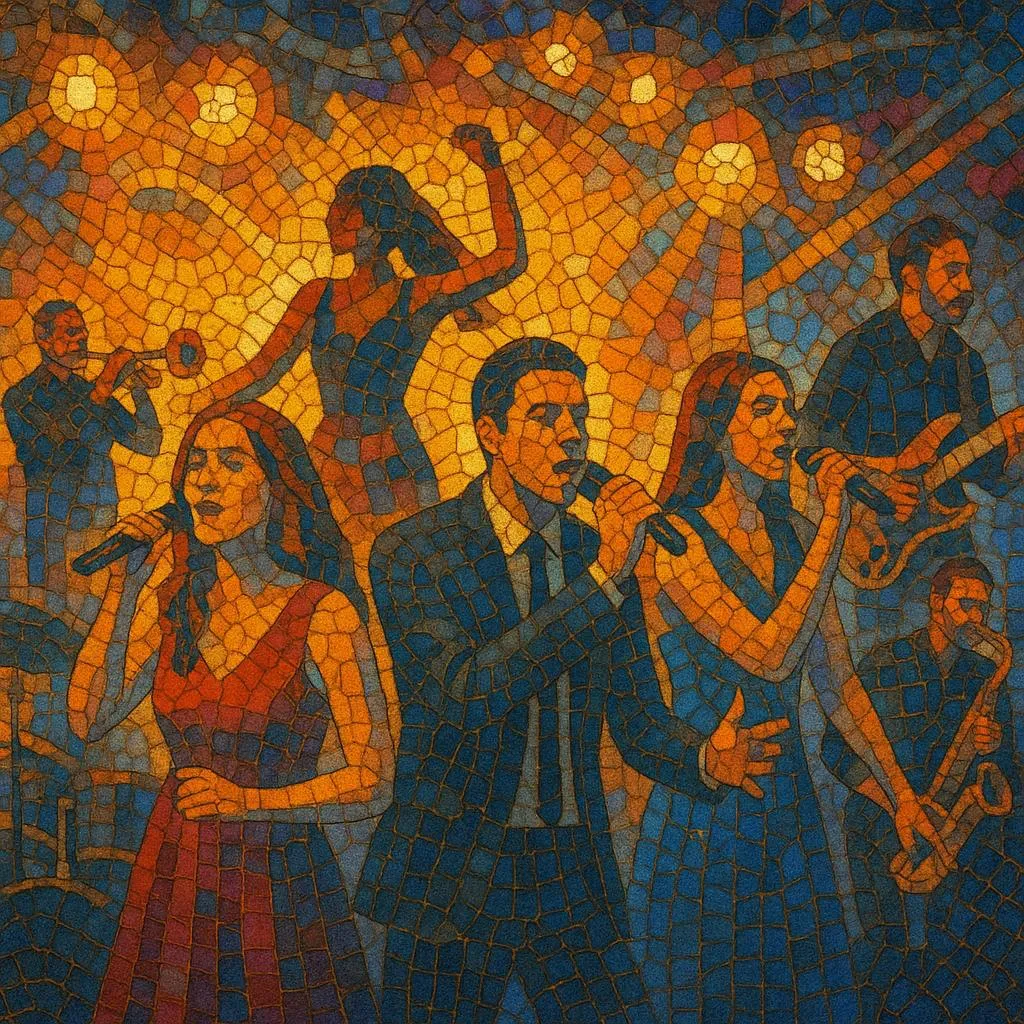
“Orquestas de Galicia” refers to the large, mobile show orchestras that perform at popular patron-saint festivals and open‑air summer dances across Galicia (northwest Spain). These ensembles mix Latin dance genres, Spanish and international pop, and local standards into high‑energy medleys presented with big stages, lights, choreography, and multiple lead vocalists.
Musically, the format blends salsa, merengue, cumbia, pasodoble, rumba-pop, reggaeton, and contemporary dance‑pop with rock and ballads. Culturally, it is a community‑focused, intergenerational party tradition, where crowds gather in town squares for hours of seamless, danceable repertoire, sing‑alongs, and spectacular production.
History
Post‑war amplification and the boom of local summer fiestas helped transform small dance combos into fuller “orquestas de verbena.” In Galicia, these groups adopted big‑band instrumentation and began covering popular Spanish and Latin American dance styles (pasodoble, bolero, cumbia, salsa), providing live music for community dancing in parish squares.
As tourism and regional festivals expanded, Galician orquestas grew in size and production values: multiple vocalists, horn sections, keyboards, and choreographed shows became the norm. Repertoires broadened to include international pop/rock and the latest Latin hits, often stitched into medleys to keep dance floors full.
Large modular stages with LED walls, moving lights, pyrotechnic moments, and in‑ear/click‑synchronized arrangements defined a spectacular “show‑orchestra” aesthetic. Set lists incorporated reggaeton, bachata‑pop, Eurodance, and contemporary chart‑toppers, while still honoring local staples (pasodobles, rumbas, and Galician sing‑along standards) for multigenerational crowds.
Orquestas de Galicia remain a cornerstone of the summer “festas” circuit, touring hundreds of villages with tight crews, advanced audio‑visual production, and medley‑driven, high‑bpm programs. They function as living cultural infrastructure: part cover band, part dance orchestra, part traveling theater—sustaining regional identity while absorbing global pop trends.
Keep the floor moving with genre‑authentic patterns:
•Cumbia: 90–105 BPM, 2/4 feel, bass drum on 1, percussion pattern driving the off‑beats.
•Merengue: 120–160 BPM, relentless straight eighths, güira+tambora interplay.
•Salsa: clave‑aware arranging (2–3/3–2), tumbao bass, montuno keys, horn mambos.
•Reggaeton: 88–100 BPM dembow (BOOM–ch‑ka–ch, BOOM–ch‑ka–ch), layered with pop harmonies.
•Pasodoble: ~120 BPM, strong two‑step feel; great for multigenerational moments.