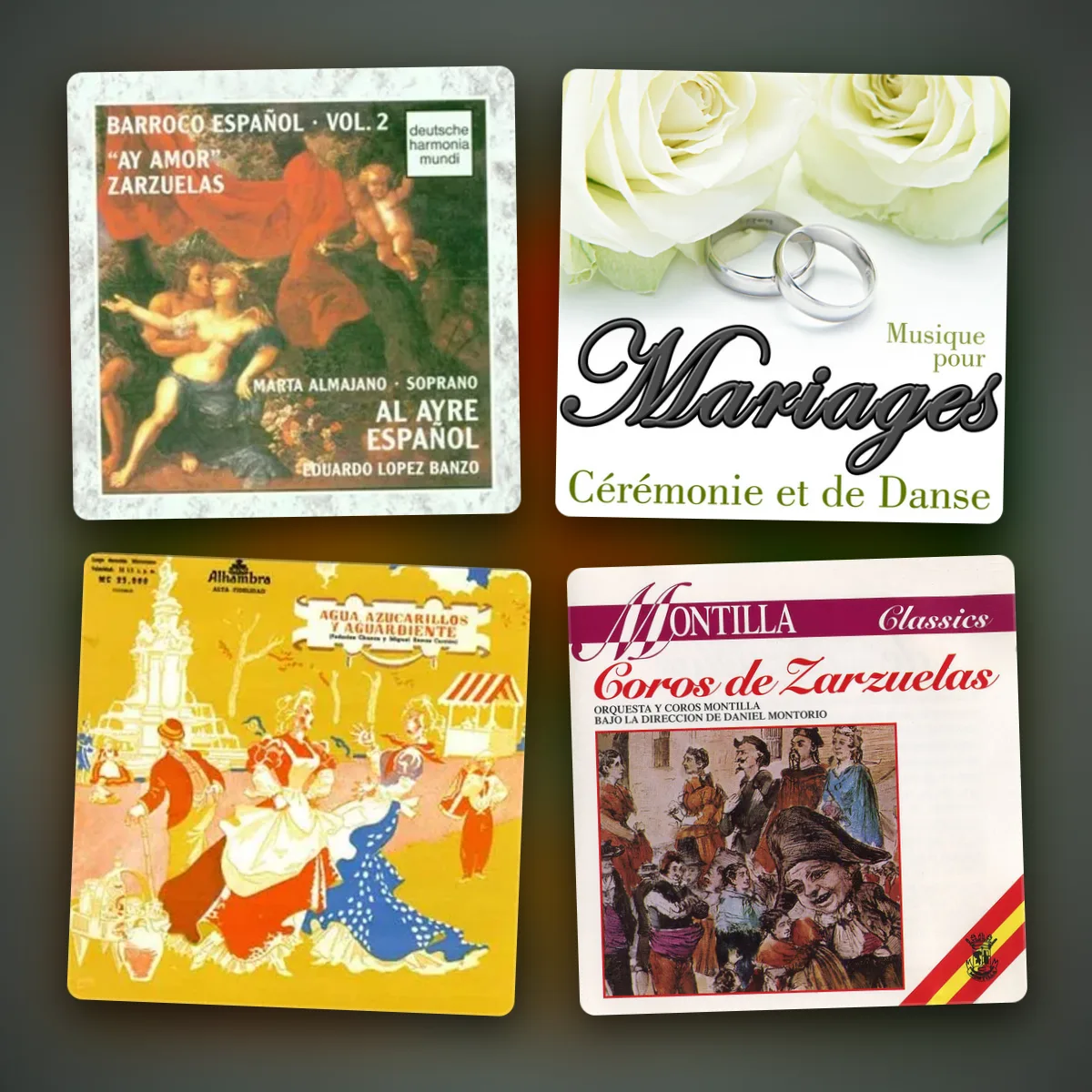
Description
Opera in Latin America is a regional field of theatrical music rather than a single style. It encompasses works shaped by European operatic traditions, Spanish zarzuela and a variety of local histories and cultural interests. Its repertoire ranges from comic opera to nationalist and experimental works.
Languages have varied: some Brazilian operas have Italian texts, while others have Portuguese texts. Plots have drawn on mythology, literature and historical conflicts between Europeans and Indigenous peoples. Local references can also enter through rhythm, as in the Venezuelan-inflected zarzuelas of Pedro Elías Gutiérrez. Opera continues to be performed in opera houses across the region, alongside the creation of new works.
History
Colonial beginnings
Opera arrived in Latin America through European colonization. In 1701, La púrpura de la rosa, by Spanish composer Tomás de Torrejón y Velasco, premiered in Lima, in what is now Peru. It is the earliest known opera both composed and performed in the Americas. Manuel de Zumaya’s Partenope followed in Mexico City in 1711; it was the first opera composed in the Americas by someone from the Americas.
National repertoires
During the nineteenth century, locally written opera developed in more Latin American countries. Some works took up encounters and conflicts between Europeans and Indigenous peoples, while zarzuela also influenced operatic production. In Mexico, Aniceto Ortega’s Guatimotzin brought pre-Hispanic elements into an operatic framework. Melesio Morales’s operas found an audience in Mexico City and were also premiered in Europe. In Brazil, Carlos Gomes used Brazilian subjects in works including Il Guarany, though many of his operas premiered in Italy with Italian texts.
The twentieth century and beyond
Nationalist operas multiplied across the region in the twentieth century. In Argentina, opera grew alongside European immigration and the opening of the Teatro Colón in 1908; composers associated with the scene include Ettore Panizza, Felipe Boero and Alberto Ginastera. In Brazil, Heitor Villa-Lobos contributed to the operatic repertoire, and later Brazilian works continued to explore avant-garde directions.
Not every local current received the same recognition. Mexican nationalist historians have scorned composers who sought to build a Yucatecan operatic tradition around Mayan legends. New operas nevertheless continue to be written and performed throughout Latin America.
Choose a dramatic subject
Begin with a story that can sustain theatrical singing. Works in the region have drawn on mythology, literature and historical encounters, while some composers have used local legends. You could adapt a story into a libretto that gives characters distinct perspectives and creates situations for both dialogue and larger musical scenes.
Shape the musical language
Treat opera as a flexible framework rather than aiming for one regional sound. You could use contrasting solo passages and ensembles to develop the drama, then draw on a related tradition such as zarzuela for ideas about theatrical pacing. If a local musical tradition is relevant to your project, consider how its rhythms might inform the score without making every scene sound alike.
Plan for performance
Write with the available singers, players and staging in mind. A common operatic approach is to let the accompaniment support the words in dialogue-like passages and expand during moments of heightened emotion. Experiment with instrumentation and dramatic form where they serve the story; Latin American opera also includes experimental and instrumental works.