Your digging level
Description
Norwegian pop rap blends the melodic immediacy and glossy production of Scandi‑pop with the cadence, flows, and beat language of hip hop. It favors catchy toplines, sing‑rap delivery, and radio‑ready hooks, while keeping verses rhythmically grounded in rap tradition.
Lyrically, artists often alternate between Norwegian (including dialects) and English, touching on everyday life, romance, humor, and identity. Sonically, the genre has evolved from mid‑2000s boom‑bap and dance‑pop hybrids to 2010s trap‑ and R&B‑leaning textures, and more recently to Afro‑tinged grooves and streaming‑era minimalism.
History
Norwegian pop rap grew out of the country’s established hip hop scene, where groups like Warlocks and Tungtvann helped normalize rapping in Norwegian and local dialects. As hip hop entered the mainstream, acts began leaning into pop structures and radio‑friendly hooks, setting the stage for a distinctly Norwegian take on pop‑rap.
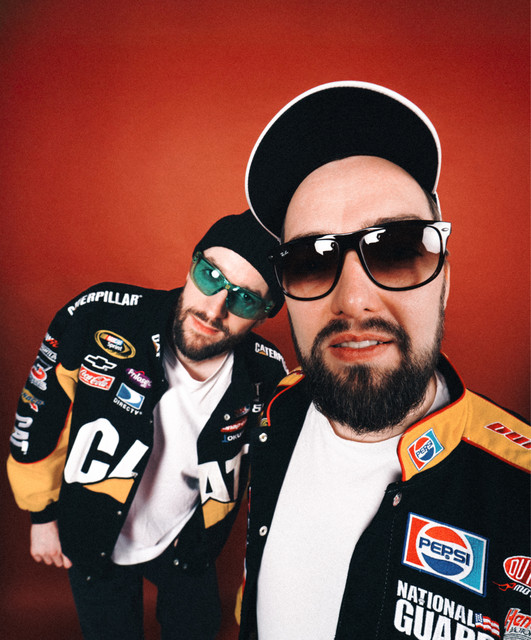
The mid‑2000s saw a clear crossover moment. Paperboys brought hook‑driven choruses to hip hop radio, while Madcon scored international success blending rap with soul‑pop sensibilities. At home, Erik & Kriss popularized a bright, dance‑pop‑rap formula that resonated on national charts and youth radio, codifying the genre’s commercial footprint.
In the 2010s, the sound broadened and refined. Karpe fused sharp songwriting, big pop hooks, and conceptual rap albums to dominate the national conversation. Artists like Cezinando, Arif, and Unge Ferrari (Stig Brenner) softened the edges with R&B and electronic pop, while still retaining rap cadences. Production shifted toward 808s, trap hats, and glossy synths, with choruses often sung rather than rapped.
With streaming and social media, a new wave—Hkeem, Kjartan Lauritzen, and others—leaned into sing‑rap, earworm refrains, and lighter, Afro‑influenced rhythms. Dialect and everyday storytelling remained central, helping tracks feel conversational and local even as the sound aligned with global pop‑rap trends. Today, Norwegian pop rap sits alongside Scandi‑pop as a reliable chart presence, flexible enough to absorb contemporary influences while remaining distinctly Norwegian.