Your digging level
Description
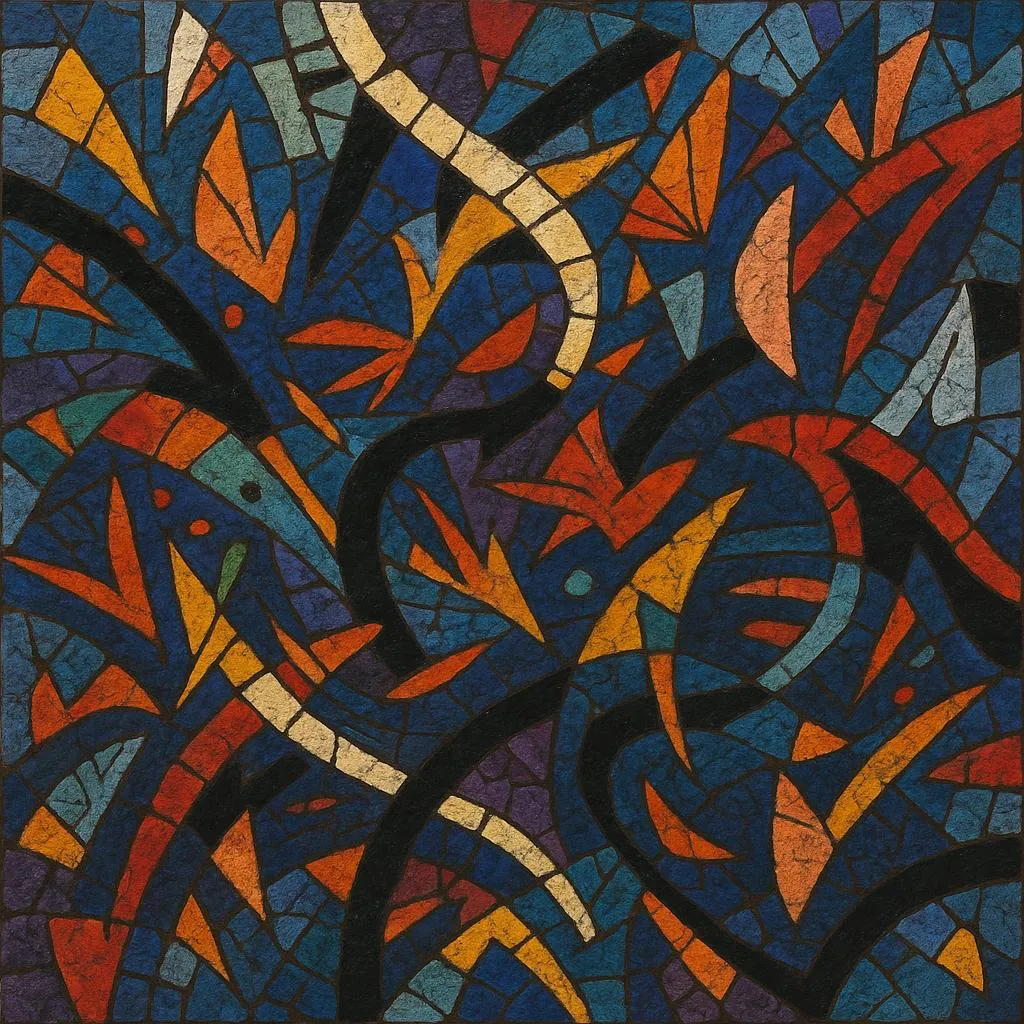
Non-camera animation, also known as direct animation or cameraless animation, is a filmmaking technique where images are created directly on film stock without the use of a camera.
Artists work frame-by-frame or continuously on the film strip using various methods such as drawing, painting, scratching, etching, or adhering objects (like wings or leaves) to the celluloid.
This technique allows for a direct, tactile relationship between the artist and the medium, often resulting in frantic, abstract, and highly kinetic visuals that are frequently synchronized tightly with musical rhythms.
History
The origins of non-camera animation can be traced back to the Futurist movement in Italy during the 1910s, where brothers Arnaldo Ginna and Bruno Corra painted directly onto film, though these early experiments are largely lost.
In the 1920s, the technique was explored by Dadaist and Surrealist artists in France, most notably Man Ray, who included rayographs (cameraless photography) in his film Le Retour à la Raison (1923).
The genre gained significant recognition in the 1930s through the work of New Zealander Len Lye in the UK. Lye's film A Colour Box (1935) was the first direct animation screened to a general audience, famously synchronizing vibrant, painted abstractions with a popular Cuban dance track.
In the 1940s and onwards, Scottish-Canadian animator Norman McLaren, working at the National Film Board of Canada, refined the technique. McLaren not only painted visuals but also pioneered drawn sound (graphical sound), creating a complete audiovisual experience directly on the film strip.
The 1960s saw American experimental filmmaker Stan Brakhage push the medium further towards Abstract Expressionism, notably with Mothlight (1963), where he pasted moth wings and plants directly onto the film, bypassing drawing tools entirely.
Today, the tradition continues with contemporary artists like Steven Woloshen, who keeps the tactile practice alive in the digital age.
To create non-camera animation, an artist typically starts with a strip of clear or black film leader (16mm or 35mm is common).
Visuals:
For clear leader, artists apply translucent inks, dyes, markers, or paints directly onto the emulsion side.
For black leader (developed film), artists use needles, razor blades, or other sharp tools to scratch and etch away the emulsion, revealing the white light of the projector.
Objects like leaves, insect wings, or salt crystals can also be glued or pressed onto the film (a technique known as collage).
Rhythm and Synchronization:
Since the film strip represents time (24 frames per second), artists often measure the physical length of the soundtrack on the film to synchronize visuals perfectly with the music.
This allows for precise, frame-accurate rhythmic editing where visual pulses match musical beats.
Sound:
Practitioners may also create drawn sound (graphical sound) by drawing shapes directly onto the optical soundtrack area of the film strip, allowing the projector to 'read' the drawings as audio, creating a perfect synthesis of sight and sound.