Your digging level
Description
Nisiotika ("island songs") is the traditional folk music of the Greek Aegean islands, especially the Cyclades, Dodecanese, and the North Aegean. It is danced and sung at weddings, local feasts (panigyria), and seafaring celebrations, carrying a bright, buoyant character that reflects island life.
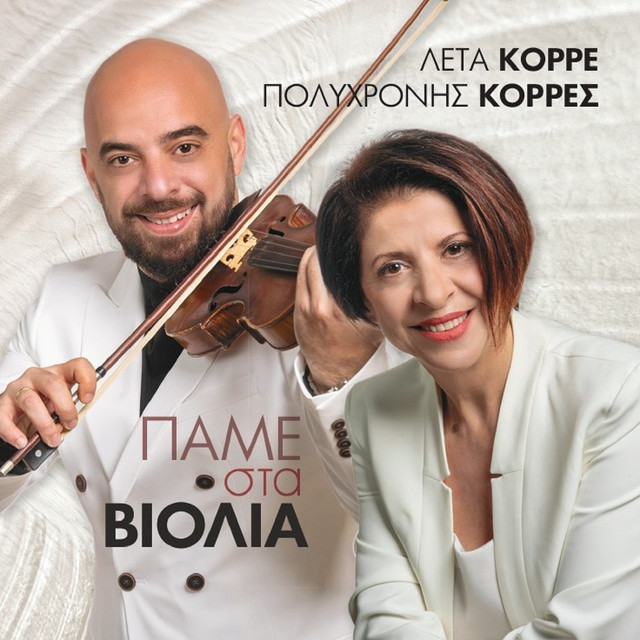
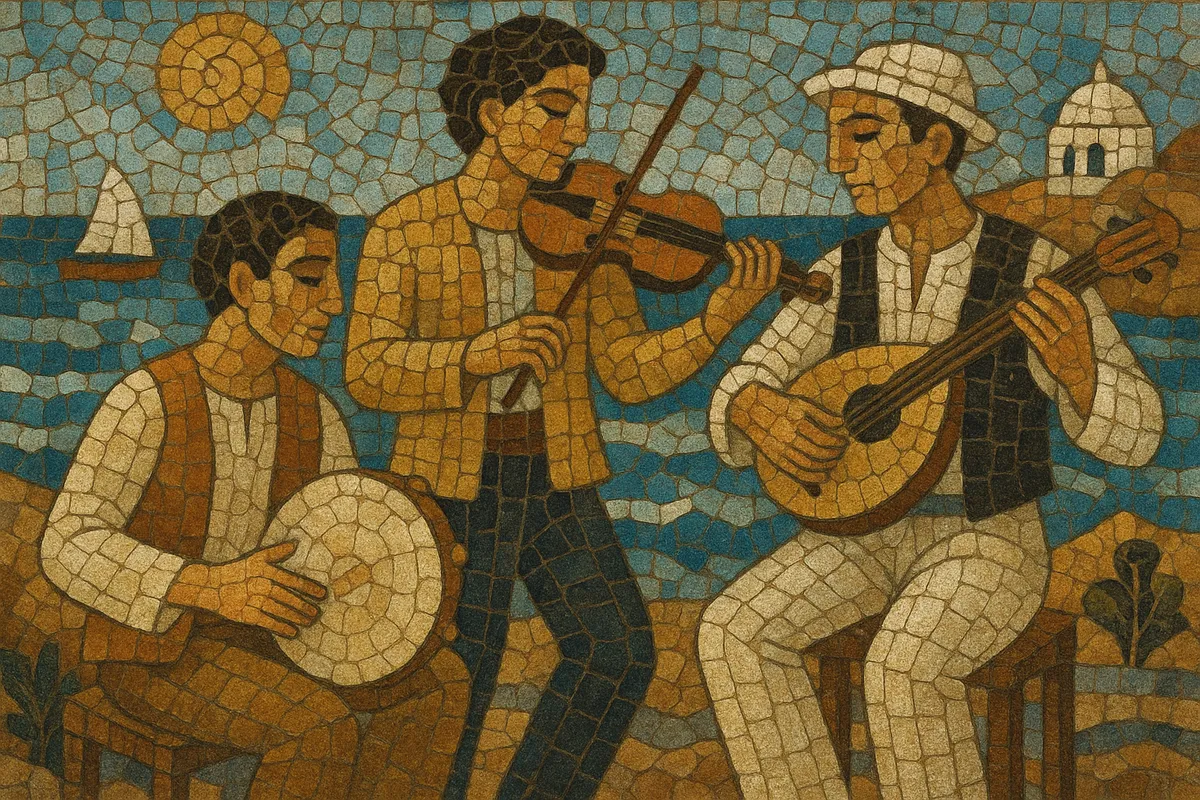
Core dance-forms include the flowing island syrtos, the lively couple dance ballos, and the springy sousta. Typical instrumentation features violin (often leading the melody), laouto (Greek lute) providing rhythmic-harmonic drive, tsabouna/tsampouna (island bagpipe), toumpaki (small hand drum), santouri (hammered dulcimer), and, in parts of the Dodecanese and Karpathos, the lyra. Melodies are largely modal, drawing on Greek dromoi and maqam-derived colors (e.g., Hijaz), with ornamented, melismatic singing in strophic, refrain-rich forms.
Texts often use local dialects and improvised couplets to tell stories of love, sea voyages, seasonal work, and communal life—combining joy, yearning, and gentle nostalgia in equal measure.
History
Nisiotika crystallized across the Aegean island communities over centuries of oral tradition. Its modal language shows the imprint of Byzantine chant and the broader maqam world of the Eastern Mediterranean under Ottoman influence. Dance-forms such as syrtos, ballos, and sousta became core social rites at weddings and saint-day feasts.
With the advent of commercial recording and radio in the early 20th century, island repertoires reached Athens and the diaspora. Instrumentation standardized around violin and laouto (with tsabouna and toumpaki surviving in more local contexts), while singers codified regional styles from Naxos, Paros, Amorgos, Kalymnos, and Karpathos. Urban genres like rebetiko and later laïko interacted with island idioms, exchanging modes, vocal delivery, and repertoire.
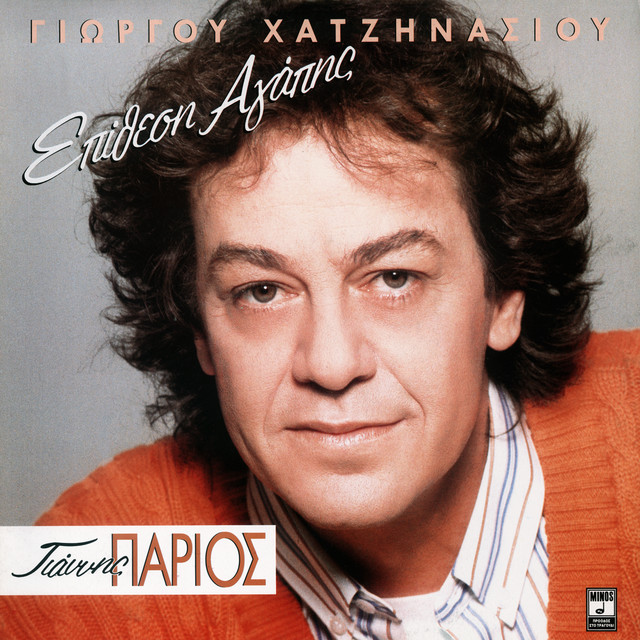
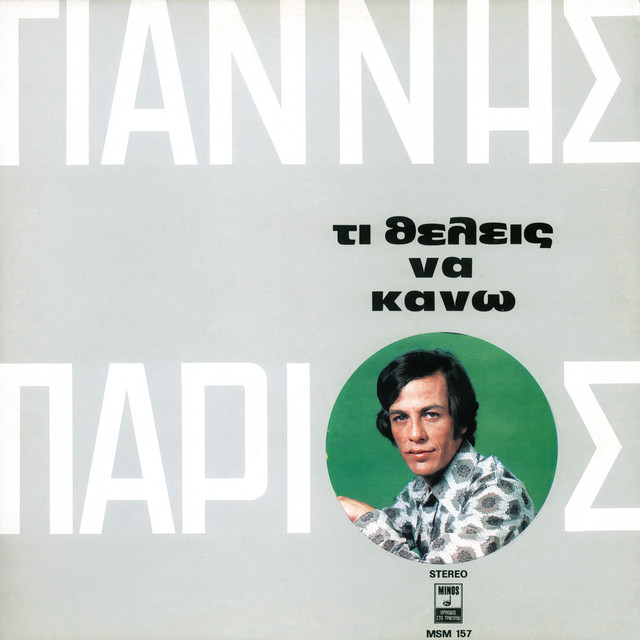
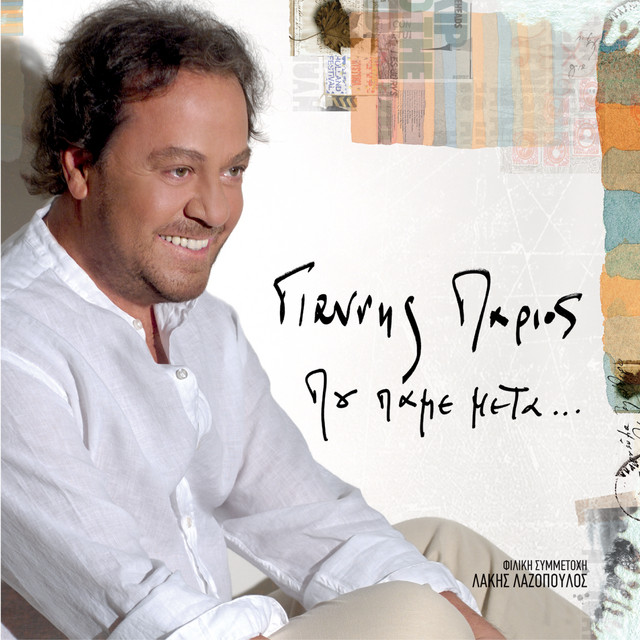
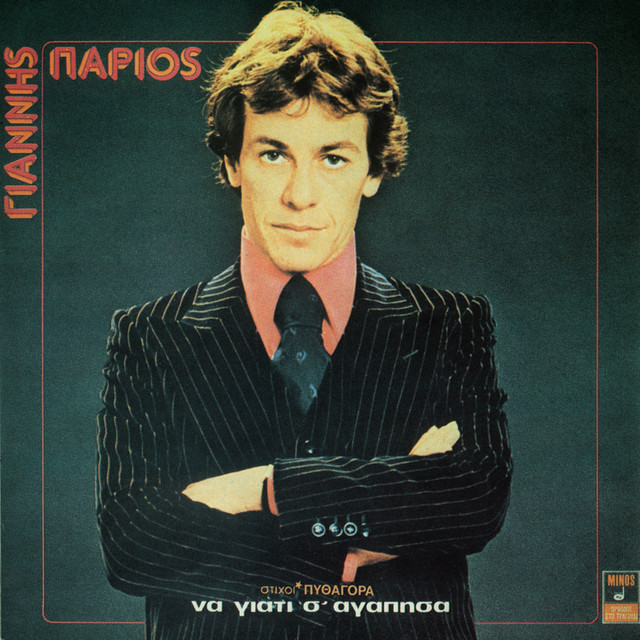
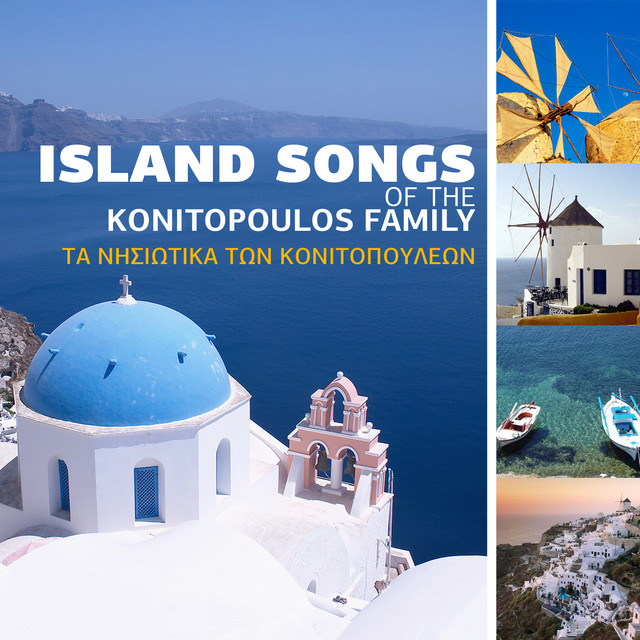
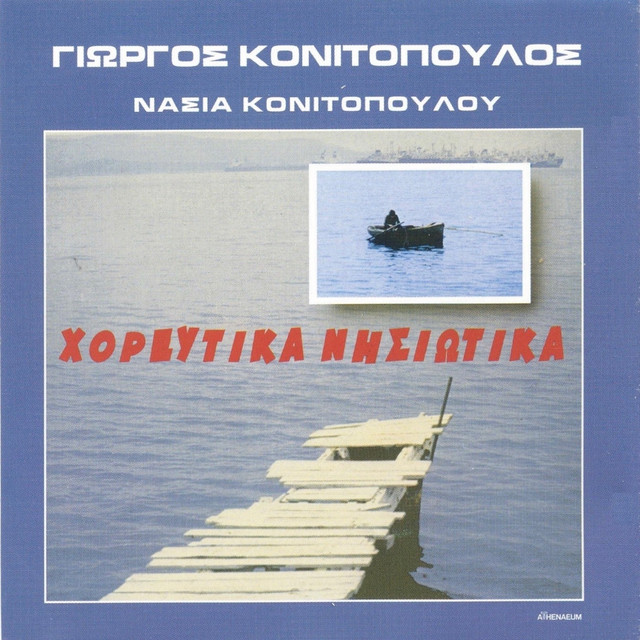
A wave of field collectors and singer-interpreters (e.g., Domna Samiou) documented and revived local variants. Mariza Koch’s 1970s work modernized arrangements without losing the idiom, and Giannis Parios’s hugely successful "Nisiotika" recordings brought island songs to mainstream Greek audiences. The Konitopoulos musical family (from Naxos) became emblematic bearers and composers of contemporary nisiotika.
Today, nisiotika thrives at island festivals and in cosmopolitan concert settings. Artists blend traditional line-ups (violin–laouto–toumpaki–tsabouna) with santouri and tasteful amplification. New interpreters (including conservatory-trained singers and folk ensembles) maintain local dialects, dances, and improvisatory couplets while experimenting with entechno, laïko, and even worldbeat aesthetics.
Nisiotika is a regional pillar of Greek folk alongside mainland and Cretan traditions. It shares modal vocabulary with Smyrnaic/Asia Minor repertoires and rebetiko, while remaining distinct through its dance priorities, brighter timbres, and seafaring lyric imagery.