Description
New Zealand rock music, often called Kiwi rock, is a broad national tradition rather than a single, uniform sound. It ranges from early rock and roll and locally performed versions of overseas hits to punk, hard rock, indie rock and garage rock revival.
One distinctive strand is the Dunedin sound: its recordings can combine droning vocals and jangling guitars with uncomplicated drumbeats and keyboards. Across the wider tradition, both original songwriting and reinterpretations of existing songs have played a part.
Based on: Wikipedia
More on: Every Noise at Once, Wikidata
History
Early rock and roll
Rock music came to prominence in New Zealand in 1955, when Johnny Cooper recorded a version of “Rock Around the Clock”. Johnny Devlin followed with a successful cover of “Lawdy Miss Clawdy”.
Local bands and new scenes
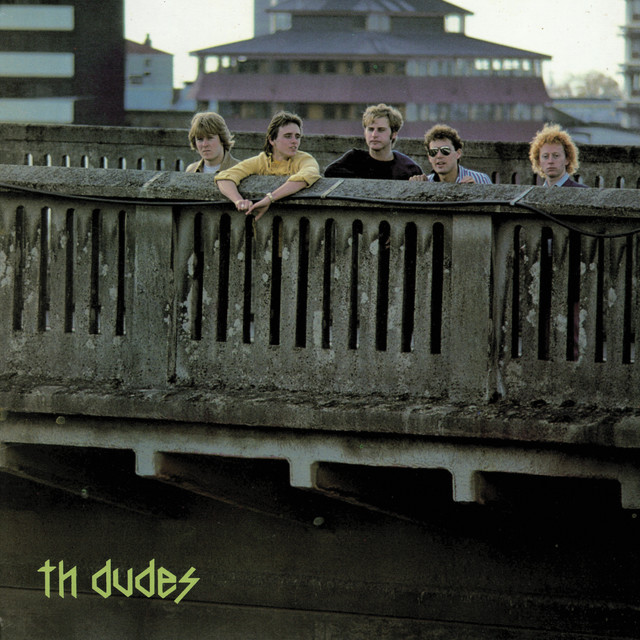
During the 1960s, locally written and recorded popular music grew, although covers of overseas hits remained common. Max Merritt and the Meteors and Ray Columbus & the Invaders were among the successful acts. In the 1970s, influential rock groups included Split Enz, Th' Dudes, Dragon and Hello Sailor. Punk bands also emerged in Auckland in the late 1970s, followed by groups in other cities.
Independent rock and later developments
In the early 1980s, Dunedin bands including The Clean and The Chills helped define the indie rock style known as the Dunedin sound. They recorded for Christchurch's Flying Nun label, and the sound reached listeners internationally, particularly through college radio. New Zealand rock continued to encompass varied approaches: Shihad found local success with hard rock in the 1990s, while The Datsuns were active in the garage rock revival of the 2000s.
Choose a direction
Start by deciding which part of the broad rock tradition you want to explore. For an early rock and roll approach, build a direct, song-led arrangement; you could write an original song or develop your own arrangement of an existing one.
Try a Dunedin-inspired texture
Use jangling guitar parts as the centre of the arrangement, add a simple drumbeat and experiment with a sustained or droning vocal delivery. Keyboards can add another layer without obscuring the guitars. Keep the parts clear enough that their contrasting textures remain audible.
Develop the song
For an indie rock approach, you could begin with a repeating guitar figure and build a vocal melody around it. Alternatively, draw on punk or garage rock practices by keeping the arrangement lean and focusing on the interaction between the instruments.


Best playlists




Influenced by