Your digging level
Description
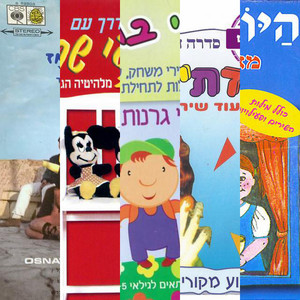
Muzika l'yeladim (מוזיקה לילדים) refers to Hebrew-language children's music from Israel. It blends catchy, classroom-friendly melodies with simple Hebrew diction, playful narratives, and values-centered themes (friendship, nature, holidays, empathy). The style grew alongside Israel’s early education system, radio, and television for children, and today ranges from nursery songs to pop-influenced stage productions.
Musically, it draws on Israeli folk modalities, European art-song simplicity, and later Israeli pop arrangements. Performances span solo singers, ensembles, and children’s choirs; instrumentation evolved from guitar-and-accordion folk textures to full pop bands with synths, strings, and percussion. Content often connects to Jewish calendar events and everyday childhood experiences, making it both entertaining and pedagogical.
History
In the early statehood period, educators, composers, and radio producers created songs for kindergartens, schools, and youth movements. These were folk-leaning pieces with simple melodic contours, diatonic harmony, and lyrics designed to teach language, socialization, and national/cultural identity. Broadcasts and school songbooks helped standardize a common repertoire.
Television and children’s theater catalyzed a surge in new repertoire. Composers and singer-songwriters applied contemporary Israeli pop craft—memorable hooks, richer harmonies, and professional studio production—while preserving child-appropriate themes. Children’s choirs became popular, and large-scale stage events and holiday specials turned kids’ songs into national shared experiences.
As Israeli pop diversified (including Mizrahi and global influences), children’s music absorbed groove-oriented rhythms, updated instrumentation, and modern production aesthetics. Albums tied to TV series and theater shows became common, and educational content expanded to topics like inclusivity, ecology, and emotional literacy.
Today, muzika l’yeladim spans nursery rhymes, family-friendly indie-pop, and multimedia stage spectacles. Digital platforms and school concerts keep classic repertoire alive while enabling new creators to circulate fresh material. The core traits—clear Hebrew lyrics, singable melodies, and child-centered storytelling—remain central.