Your digging level

For this genre
0/8
🏆
Sign in, then listen to this genre to level up

Description

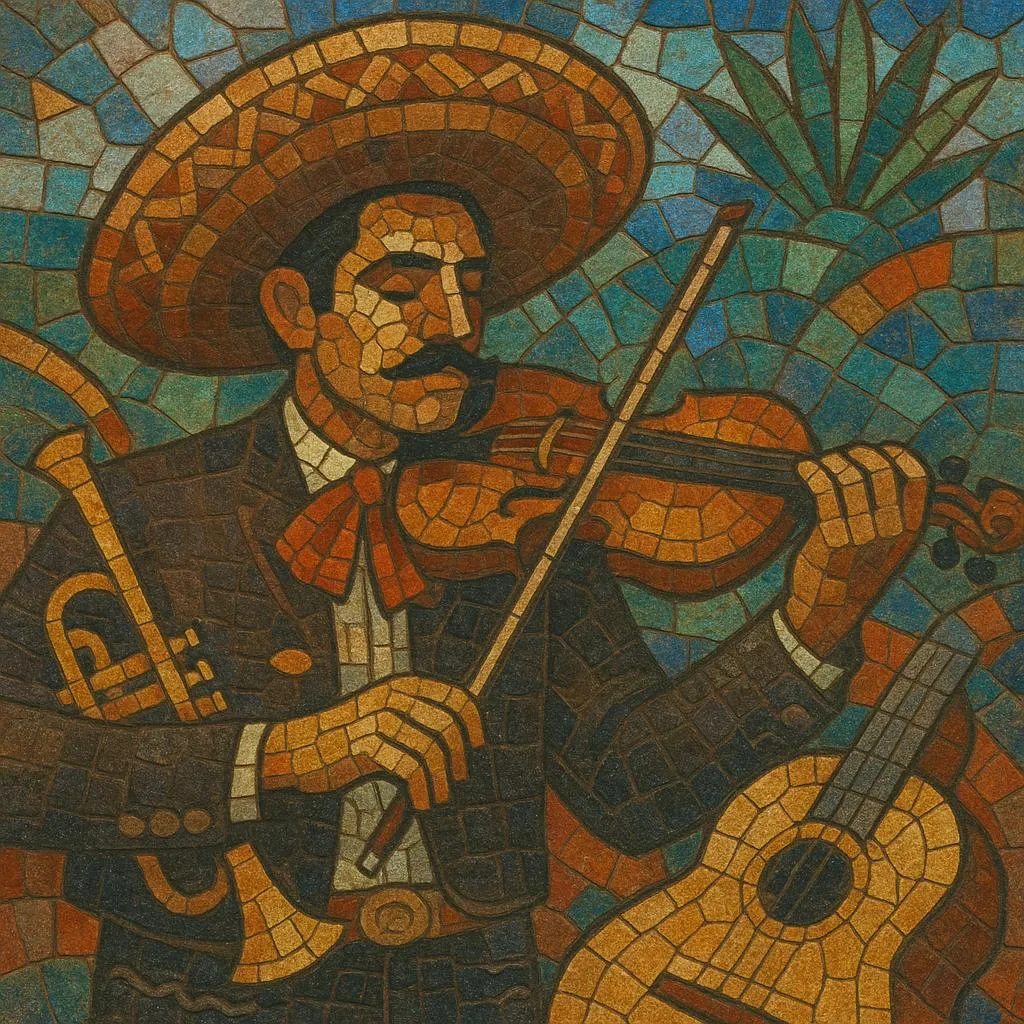
Música jalisciense is the umbrella term for the traditional and popular music practices associated with the Mexican state of Jalisco. It is anchored by mariachi and son jalisciense, with characteristic charro vocal style, gritos, and a repertory of sones, jarabes, polkas, and waltzes.

Typical ensembles feature violins, trumpets, vihuela, and guitarrón (mariachi) alongside guitar and occasionally harp, while Jalisco’s late‑20th‑century scene also gave rise to brass‑driven banda/technobanda locally adapted to regional tastes. Lyrically, themes revolve around love, homeland pride, rural life, bravery, and celebration, delivered in an expressive, declamatory style.

Heard in plazas, fiestas patronales, charreadas, serenatas, and on major stages, música jalisciense has become a sonic emblem of Mexico worldwide, shaping the broader category now known as regional mexicano.


Sources: Spotify, Wikipedia, Discogs, RYM, MB, user feedback and other online sources

History

Roots (late 19th–early 20th century)

Mariachi and son jalisciense crystallized in the towns and valleys of Jalisco from older regional son traditions and festive jarabes. Early ensembles used violins, guitarra de golpe, vihuela, and harp; by the early 1900s, the repertory included brisk instrumental sones, lyrical canciones, and dance pieces in duple/compound meters with characteristic hemiolas.

National projection and the "charro" image (1930s–1950s)

With radio and the Golden Age of Mexican cinema, the Jalisco sound traveled to Mexico City’s studios and then abroad. The addition of trumpets standardized the modern mariachi timbre, while ranchera songcraft (verso–estribillo forms, sentimental narratives) flourished through iconic performers, cementing música jalisciense as a national symbol.

Expansion and stylistic diversification (1960s–1990s)

Orchestration grew more virtuosic and stage‑oriented, while touring mariachis professionalized the repertory. In Jalisco’s own towns, brass dance bands and later technobanda blended local tastes with amplified rhythm sections and keyboards, creating a distinctly jalisciense branch of banda that filled dance halls across Mexico and the diaspora.

21st century: Global emblem and crossover

Música jalisciense now spans traditional plaza mariachis, conservatory‑trained ensembles, and pop crossovers that add string sections and contemporary production. Its sound remains the backbone of regional mexicano and a living tradition in Jalisco’s fiestas, charreadas, and serenades.

How to make a track in this genre

Instrumentation and ensemble
•   Core mariachi: 2–6 violins, 2 trumpets, vihuela (rhythmic strumming), guitarrón (bass), optionally guitar/harp; voices shared among instrumentalists. •   Banda/technobanda flavor (Jalisco variant): tambora, trombones, trumpets, clarinets/saxes, bass, drum kit/percussion; 1990s styles may add keyboards and electric bass.
Rhythm and groove
•   Use alternating 6/8–3/4 hemiola in sones and jarabes; keep a buoyant, danceable lilt. •   Waltzes (3/4) and polkas (2/4) are common; keep tempos brisk for sones, moderate for rancheras. •   Vihuela provides crisp off‑beat accents; guitarrón outlines tonic–dominant patterns with walking fills.
Harmony and melody
•   Functional harmony centered on I–V–IV with secondary dominants; modal inflections and quick modulations are idiomatic. •   Melodies are singable and dramatic, with octave leaps and appoggiaturas; trumpet/violin lines often answer or double the voice.
Form and lyrics
•   Common forms: verse–chorus (canción/ranchera) or strings of coplas with instrumental interludes (sones/jarabes). •   Themes: love, despedidas, patria, countryside, honor, celebration; write in colloquial Mexican Spanish with imagery and refrains designed for audience call‑and‑response and gritos.
Performance practice and arrangement
•   Balance antiphony: voice answered by violins/trumpets; feature instrumental intros (preludios) and modulating interludes. •   Emphasize expressive belting, portamenti, and gritos placed at cadences. •   For dance sets, alternate meters (polka → waltz → son) and maintain dynamic contrasts to energize crowds.

Top tracks

Locked
Share your favorite track to unlock other users’ top tracks

Upcoming concerts

in this genre
Influenced by
Has influenced

Download our mobile app

Get the Melodigging app and start digging for new genres on the go
© 2026 Melodigging
Melodding was created as a tribute to Every Noise at Once, which inspired us to help curious minds keep digging into music's ever-evolving genres.
Buy me a coffee for Melodigging