Your digging level
Description
Música campechana is the umbrella term for the dance‑band and popular music traditions associated with the state of Campeche, Mexico. It blends Cuban‑Caribbean dance forms (danzón, son, guaracha, charanga, and mambo), Mexican bolero songcraft, and later cumbia grooves with local Yucatecan/peninsular practices.
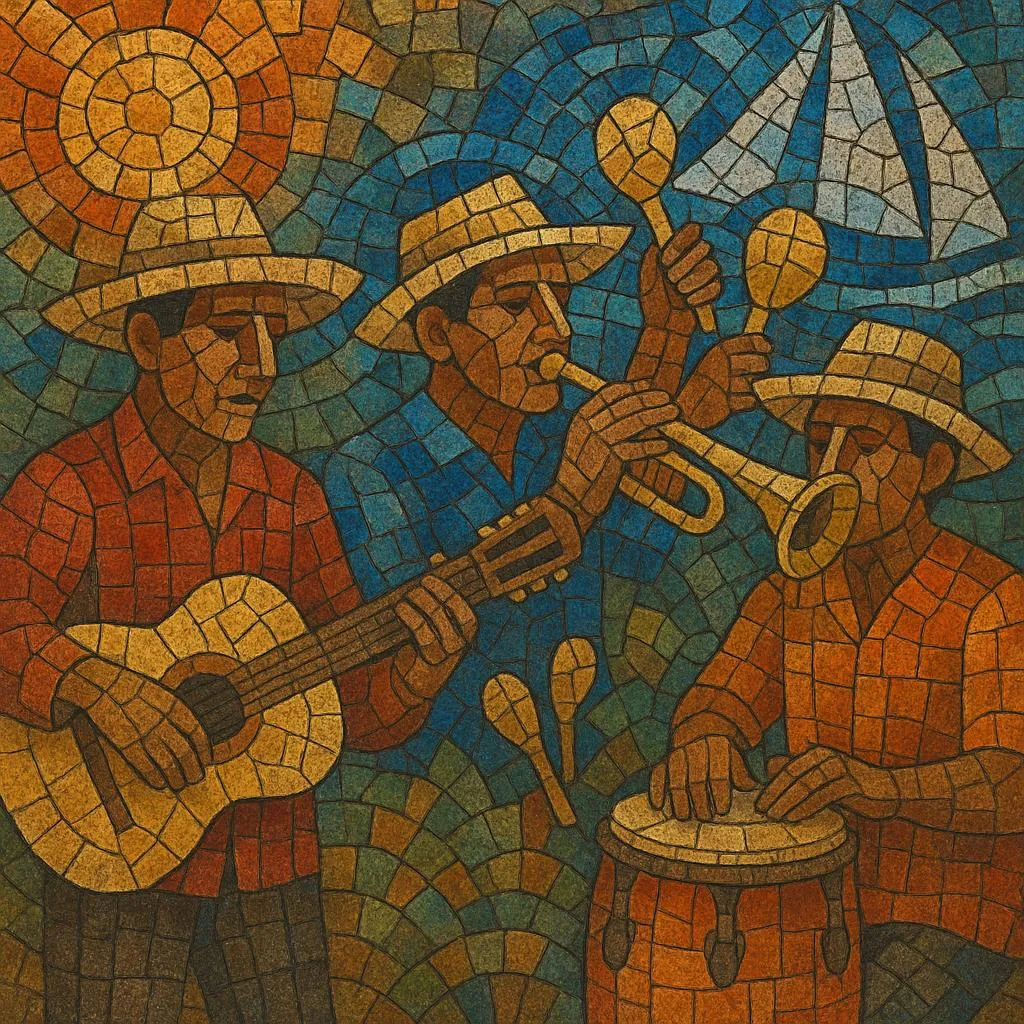
Typically performed by orquestas tropicales and brass-driven dance bands, the style features trumpets and saxophones over a percussion core (timbales, congas, güiro, maracas), bass, guitar or baby bass, and often keyboards or accordion. The repertoire moves fluidly from elegant danzones and romantic boleros to upbeat cumbias and carnival anthems associated with Campeche’s coastal festivities. Lyrics frequently reference seafaring life, plazas, carnival, love, and everyday stories from the Gulf coast, and may include peninsular turns of phrase alongside standard Mexican Spanish.
History
Música campechana coalesced as port cities in the Gulf of Mexico absorbed Cuban and Caribbean repertoires brought by sailors, migrants, and touring orchestras. Danzón and charanga ensembles became staples of salons and kiosks, while bolero and son cubano joined local serenade traditions from the wider Yucatán Peninsula.
After World War II, radio and ballrooms helped standardize a peninsular “tropical” band sound in Campeche. Brass sections, woodwinds, and percussion supported sets that mixed danzones, boleros, guarachas, and the increasingly popular cumbia. Local carnival rhythms and plaza performances cemented the sound as community dance music.
The rise of large touring orquestas and studio recordings led to national recognition for Campeche-based tropical acts. Amplified electric bass, keyboards, and contemporary arrangements entered the palette, while cumbia became a centerpiece of the live repertoire. Carnival circuits, municipal festivals, and radio sustained a steady demand.
Música campechana remains a living, dance-oriented tradition. Bands move seamlessly between heritage danzones and updated cumbias, and some projects incorporate tecnocumbia textures, DJ remixes, and pop song forms—while retaining the coastal identity and social function that define the genre.