Your digging level

For this genre
0/8
🏆
Sign in, then listen to this genre to level up

Description

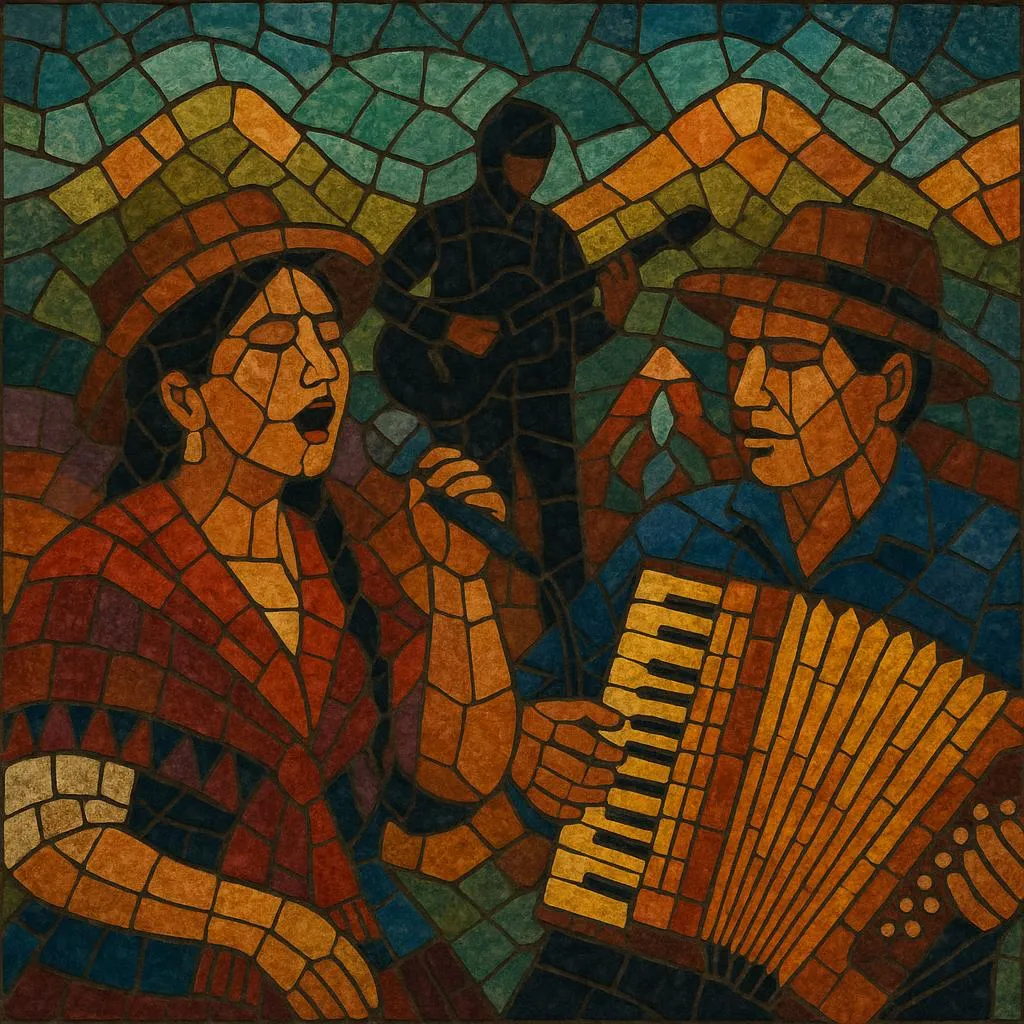
Cumbia sureña (Southern Andean cumbia) is a Peruvian regional variant of cumbia that took shape in the highland cities of Puno, Juliaca, Cusco, and neighboring southern regions.

It fuses Colombian/Peruvian cumbia’s 4/4 dance pulse with the melodic language and phrasing of Andean huayno—often in minor keys and pentatonic contours—and presents them with bright, singing lead synthesizers that imitate charango, quena, or panpipes.

The sound is keyboard‑driven: shimmering arpeggios, portamento leads, and brassy pads float over a tumbao‑inspired electric bass and a steady drum kit pattern, while electric guitar supplies rhythmic chanks and simple riffs. Vocals (frequently by powerhouse women singers in folkloric dress) emphasize bittersweet romance, devotion to family (especially the mother), migration, celebration, and heartbreak. The result is both communal and sentimental—equally at home in patronal fiestas and wedding halls—inviting dancers with an uplifting groove while carrying an unmistakably Andean emotional hue.


Sources: Spotify, Wikipedia, Discogs, RYM, MB, user feedback and other online sources

History

Origins (1990s)

Cumbia sureña emerged in the 1990s across Peru’s southern highlands (notably Puno and Juliaca), where cumbia’s pan‑Latin beat met the melodic and rhythmic codes of highland huayno. Local bands and homegrown producers adapted Lima’s chicha and technocumbia aesthetics—keyboards, drum kits, and electric bass—to Andean pentatonic melodies and huayno vocal delivery, yielding a sweeter, more sentimental cumbia profile tailored to the dance floors of the altiplano.

Regional consolidation and cross‑border flow

By the late 1990s and early 2000s, the style crystallized around bright lead synths that mimic charango or quena, and straightforward, danceable arrangements for fiestas. Proximity to Bolivia fostered continuous musical exchange: Bolivian techno‑cumbia and local folklore (e.g., saya/caporales aesthetics) interacted with Peruvian arrangements, shaping repertoire, timbre choices, and stage presentation.

2000s–2010s: Media circuits and star vocalists

Pirate cassettes and VCD/DVD videos, local radio, and regional TV programs amplified the genre beyond its birthplace. Powerful vocalists—often women fronting mixed‑gender ensembles—helped brand the sound as both festive and emotive. Touring “orquestas” and weekend peñas in Puno, Arequipa, Cusco, Tacna, and Moquegua cemented the style’s presence at weddings and patron saint festivities.

Digital era

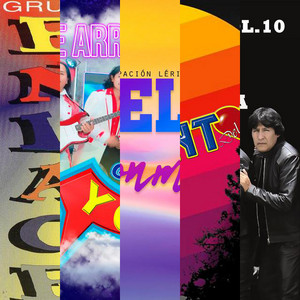
From the 2010s onward, YouTube and social networks accelerated circulation throughout Peru and among diaspora communities in Chile, Argentina, and the United States. Live videos from festivals, lyric clips, and fan remixes reinforced the genre’s visual identity (folkloric attire, LED stages, sentimental performance close‑ups) and codified its sonic signatures (portamento synth leads, minor‑key hooks, straightforward cumbia drum patterns).

How to make a track in this genre

Core groove
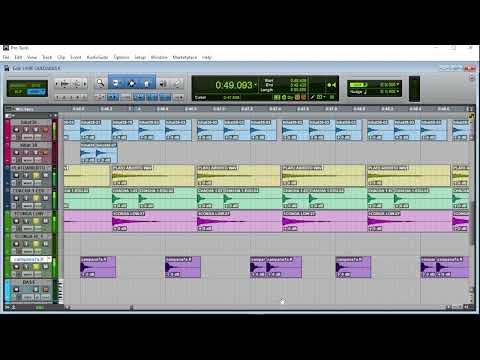
•   Tempo: typically 95–110 BPM. •   Drums: a steady 4/4 cumbia backbeat (kick on 1, syncopated ghost notes on toms/snare, open hi‑hat lifts on the “and” of beats). Keep fills simple and dance‑forward. •   Bass: use a tumbao‑like pattern (anticipations on the “and” of 2/4), outlining the tonic and b7/b6 in minor keys. Keep it round and supportive, seldom overly syncopated.
Harmony and melody
•   Tonality: mostly minor (A minor, E minor, D minor are common). Progressions often revolve around i–VII–VI–VII (with occasional IV/V pre‑chorus motion). •   Melodic language: write short, singable hooks using Andean pentatonic shapes and huayno‑style phrases. Let the synth or guitar introduce a memorable intro riff that returns between sections.
Instrumentation and timbre
•   Lead synthesizer: the signature element—use bright saw/square leads with a touch of portamento and vibrato to emulate quena/charango lines. Layer with a second pad for warmth. •   Electric guitar: chank on off‑beats, double simple melodic fragments, or provide a brief melodic solo with light chorus/delay. •   Optional folk colors: add charango, panpipes, or quena lines (or their keyboard patches) to localize the timbre. •   Percussion: guiro/shaker for texture; congas or timbales sparingly for fills.
Vocals and lyrics
•   Delivery: emotive Andean pop style—clear diction, expressive vibrato, occasional call‑and‑response with backing vocals. •   Themes: love and heartbreak, devotion to mother, nostalgia for the highlands, celebration and togetherness; Spanish predominates, with Quechua/Aymara words or place‑names adding local color.
Form and arrangement
•   Typical form: Intro riff → Verse → Pre‑Chorus → Chorus (hook) → Short instrumental break/solo → Chorus repeat → Coda/tag. •   Keep arrangements uncluttered; prioritize the lead synth hook and a strong sing‑along chorus.
Production tips
•   Bright, upfront lead synth; bass and kick should lock tightly for a grounded dance feel. •   Use light saturation on the full mix, plate reverb on vocals/synth leads, and tasteful delay throws to emphasize phrase endings.

Top tracks

Locked
Share your favorite track to unlock other users’ top tracks

Upcoming concerts

in this genre
Influenced by
Has influenced
No genres found

Download our mobile app

Get the Melodigging app and start digging for new genres on the go
© 2026 Melodigging
Melodding was created as a tribute to Every Noise at Once, which inspired us to help curious minds keep digging into music's ever-evolving genres.
Buy me a coffee for Melodigging