Your digging level
Description
Musica bajacaliforniana refers to the Regional Mexican music made in the border state of Baja California (Tijuana, Mexicali, Ensenada and surrounding towns).
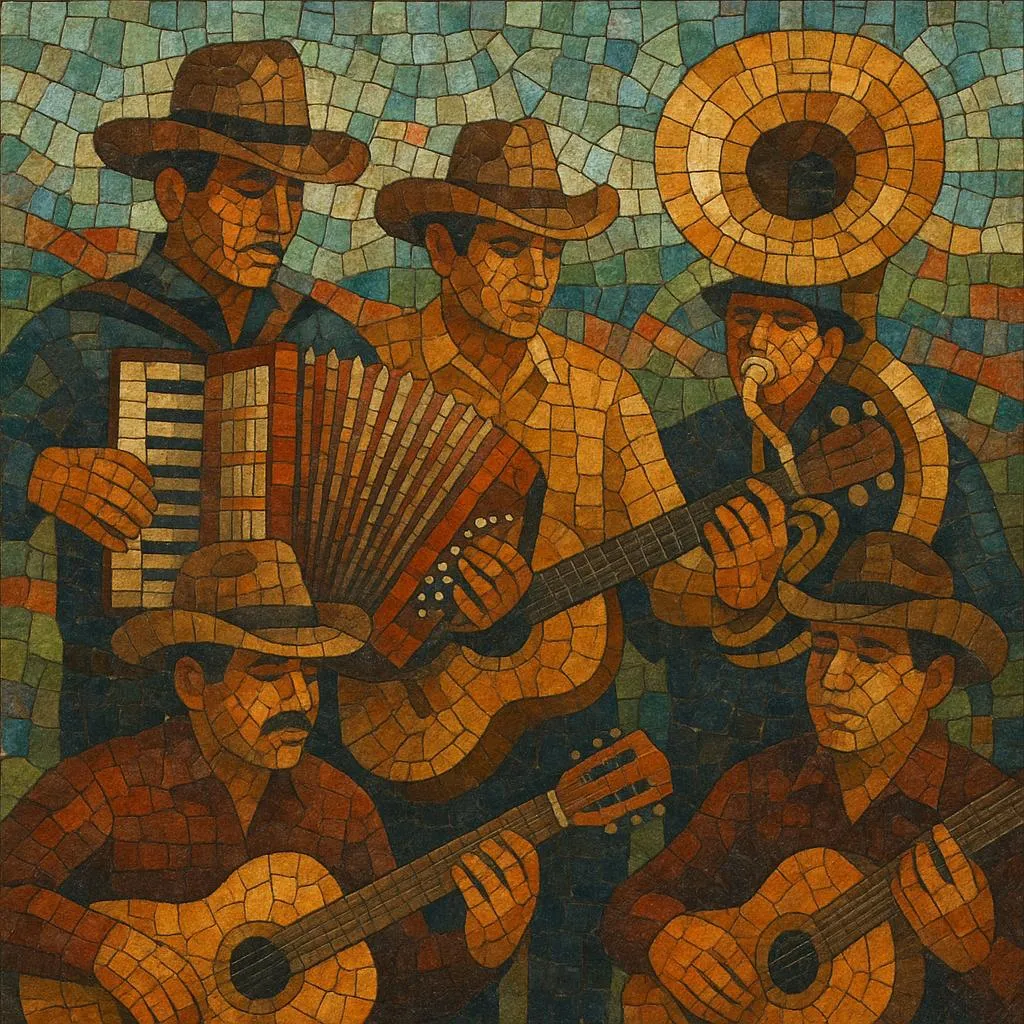
It blends the accordion-led drive of norteño, the tuba-and-tambora punch of banda, and the intimate string textures of sierreño with story-driven corridos. Because the scene sits on the U.S.–Mexico border, its sound often carries cross‑border slang, production aesthetics, and audience expectations from both sides.
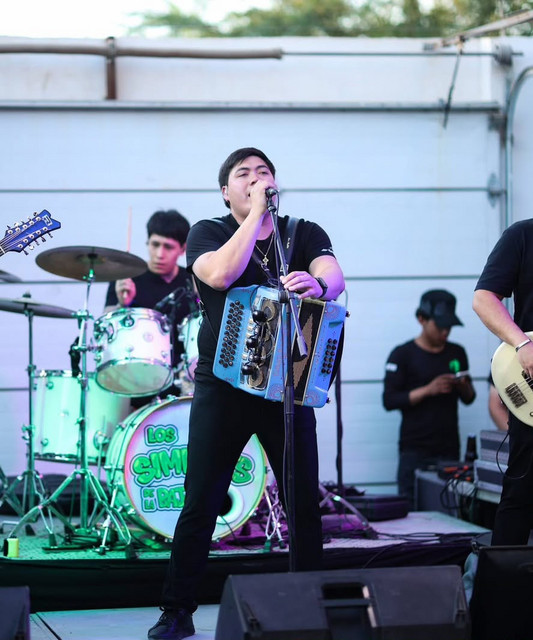
Typical arrangements feature accordion and bajo sexto (or requinto) locking into polka/waltz/two‑step grooves, or banda-style brass sections emphasizing unison hooks and punchy turnarounds. Lyrics revolve around border life, work and hustle, place-pride, love and heartbreak, and modern corrido narratives about notable figures and local histories.

History
Baja California’s proximity to California created a dense network of baile halls, swap-meet stages, radio, and club circuits that supported accordion- and brass-driven dance music. Through the 1990s, local groups distilled norteño and banda practices into a distinctly border-forward approach—fast two-steps and corridos for the dance floor, with lyrical references to Tijuana and Mexicali culture and cross‑border lives.
As recording and live infrastructure matured, the scene expanded: norteño-banda formats (accordion + tuba + tambora) sat alongside sierreño trios (requinto, guitar, tololoche), while cumbia norteña and romantic ranchera ballads kept dance and radio appeal. Independent labels, border radio, and U.S. touring routes helped Baja California acts circulate regionally and internationally.
Streaming and social media amplified Baja California’s fast feedback loop with U.S. audiences. Corridos modernized (heavier low end, brighter vocals, conversational delivery), and sierreño-banda hybrids thrived. The border identity—Spanglish turns of phrase, place-shoutouts, and a live-first energy—remained central even as production became sleeker and more “global.”