Your digging level

For this genre
0/8
🏆
Sign in, then listen to this genre to level up

Description

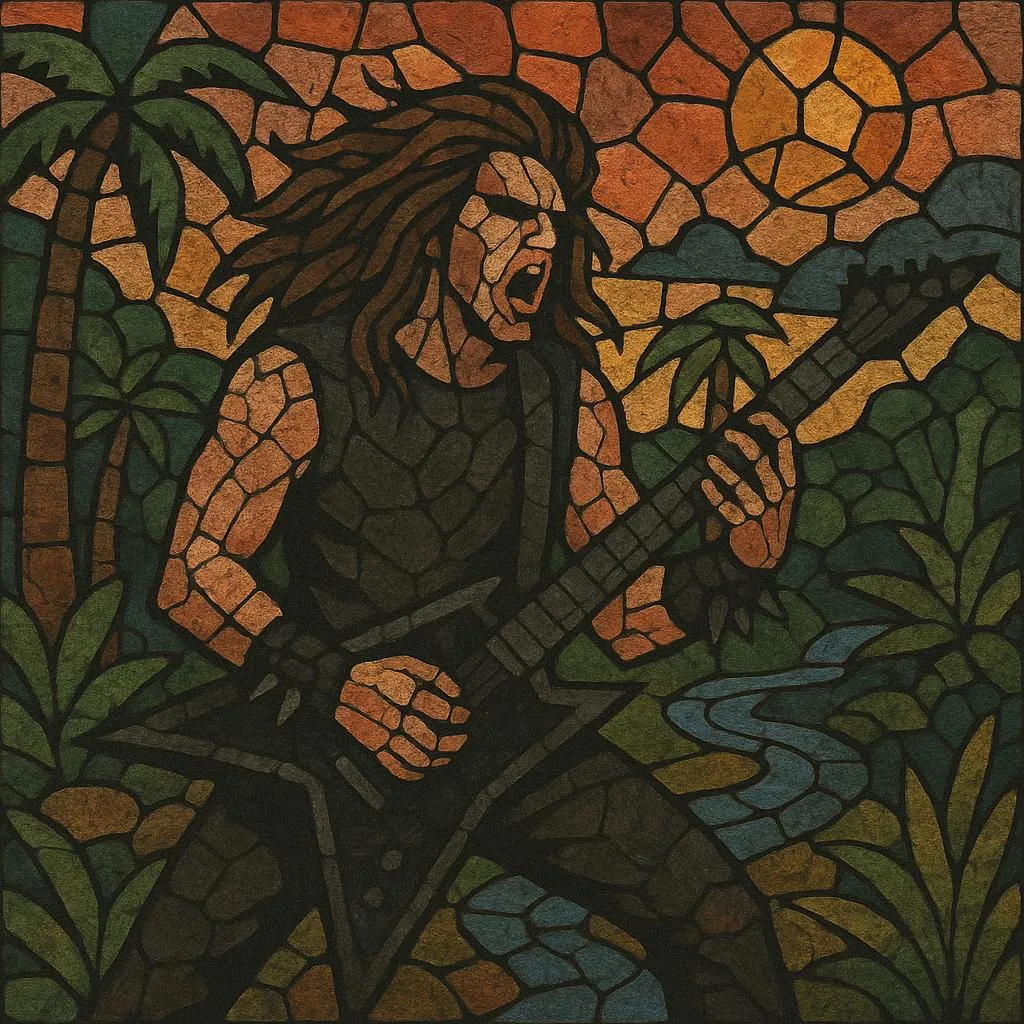
Metal nortista is the umbrella name for the heavy metal made in the far‑Northern region of Brazil (the Amazonian states, especially Pará and Amazonas). Emerging around the late 1970s and consolidating through the 1980s, it combines the foundational language of traditional heavy metal, speed and thrash with the DIY grit of a geographically isolated scene.

Beyond sheer heaviness, it often absorbs accents of local culture: urgent, danceable patterns reminiscent of carimbó and guitarrada, Amazonian folklore, and lyrical imagery tied to rivers, rain, forest life, mining booms, and urban life in Belém and Manaus. Portuguese lyrics, agile down‑picked riffs, raw vocal delivery, and unpolished, energetic production are common signatures.

The result is a distinctive, hard‑charging regional school of Brazilian metal that helped spark the national metal movement while maintaining a clear Amazonian identity.


Sources: Spotify, Wikipedia, Discogs, RYM, MB, user feedback and other online sources

History

Origins (1970s–1980s)

Northern Brazil’s first metal bands took shape in Belém (Pará) and Manaus (Amazonas) at the end of the 1970s, inspired by British and American heavy metal and by the surge of Brazilian rock. Early groups rehearsed in improvised spaces, pressed limited independent releases, and circulated tapes by mail, forging links with distant scenes despite the region’s vast geography.

Consolidation and Spread (1990s–2000s)

Through the 1990s the local circuits—bars, community venues, college festivals, and fanzines—multiplied. Thrash, death, and black metal aesthetics took hold, while regional identity strengthened: lyrics referenced Amazonian myths and environmental concerns, and some bands folded rhythmic cells reminiscent of carimbó and guitarrada into metal grooves. Independent labels and tape‑trading networks connected Belém and Manaus to the broader Brazilian underground.

Digital Era and Renewal (2010s–present)

Affordable recording tech and social media allowed Northern bands to release EPs and albums with wider reach, collaborate with musicians from other regions, and appear on national festivals. The sound remains rooted in classic metal aggression but embraces greater stylistic range—from melodic and power metal to extreme subgenres—while keeping references to Amazonian culture and place.

How to make a track in this genre

Core instrumentation and sound
•   Guitars: Prioritize tight, down‑picked rhythm guitars in E/D/C standard or drop tunings for weight. Combine palm‑muted thrash gallops with occasional tremolo lines borrowed from black/death metal. Use medium‑gain, mid‑forward tones to keep articulation clear. •   Bass: Lock with the kick on driving eighths; occasionally double guitar riffs, but allow fills to outline groove accents. Picked bass works well for attack in fast passages. •   Drums: Thrash two‑beats and skank beats are foundational. Add quick tom‑led fills and (where fitting) syncopated accents that echo regional dance feels (e.g., carimbó‑like push on 2 and “and” of 2). •   Vocals: Aggressive Portuguese delivery—gritty melodic shouts, thrash bark, or extreme growls/screams depending on substyle.
Harmony, riff craft, and rhythm
•   Riffs: Build around minor‑mode power‑chord cells (i–VI–VII, or i–VII–VI) and tritone pivots. Interleave pedal‑point figures with chromatic passing tones. •   Rhythm: Use alternating gallops and straight eighths; insert brief syncopations or hemiolic turns to nod at local dance grooves without losing metal drive. •   Leads: Favor modal lines (Aeolian/Phrygian) with short, fiery pentatonic bursts; whammy or slide dips can evoke “vocal” gestures common in regional guitar styles.
Thematic and cultural elements
•   Lyrics: Address Amazonian folklore (e.g., forest spirits, river myths), environmental and social themes, and urban life in Belém/Manaus. Keep verses concise and percussive to suit fast tempos. •   Texture and atmosphere: Subtle layers—rainfield ambience, hand percussion reminiscent of curimbó drums, or brief folk‑melodic motifs—can color intros/interludes without diluting the metal core.
Production and performance
•   Production: Preserve raw energy; prioritize lively drum capture and forward rhythm guitars. Avoid over‑quantization; slight looseness conveys the style’s live urgency. •   Live: Emphasize collective chorus shout‑backs, tight transitions, and tempo lifts at codas to mirror the scene’s vibrant, DIY stage ethos.

Top tracks

Locked
Share your favorite track to unlock other users’ top tracks

Upcoming concerts

in this genre
Influenced by
Has influenced
No genres found

Download our mobile app

Get the Melodigging app and start digging for new genres on the go
© 2026 Melodigging
Melodding was created as a tribute to Every Noise at Once, which inspired us to help curious minds keep digging into music's ever-evolving genres.
Buy me a coffee for Melodigging