Your digging level

For this genre
0/8
🏆
Sign in, then listen to this genre to level up

Description

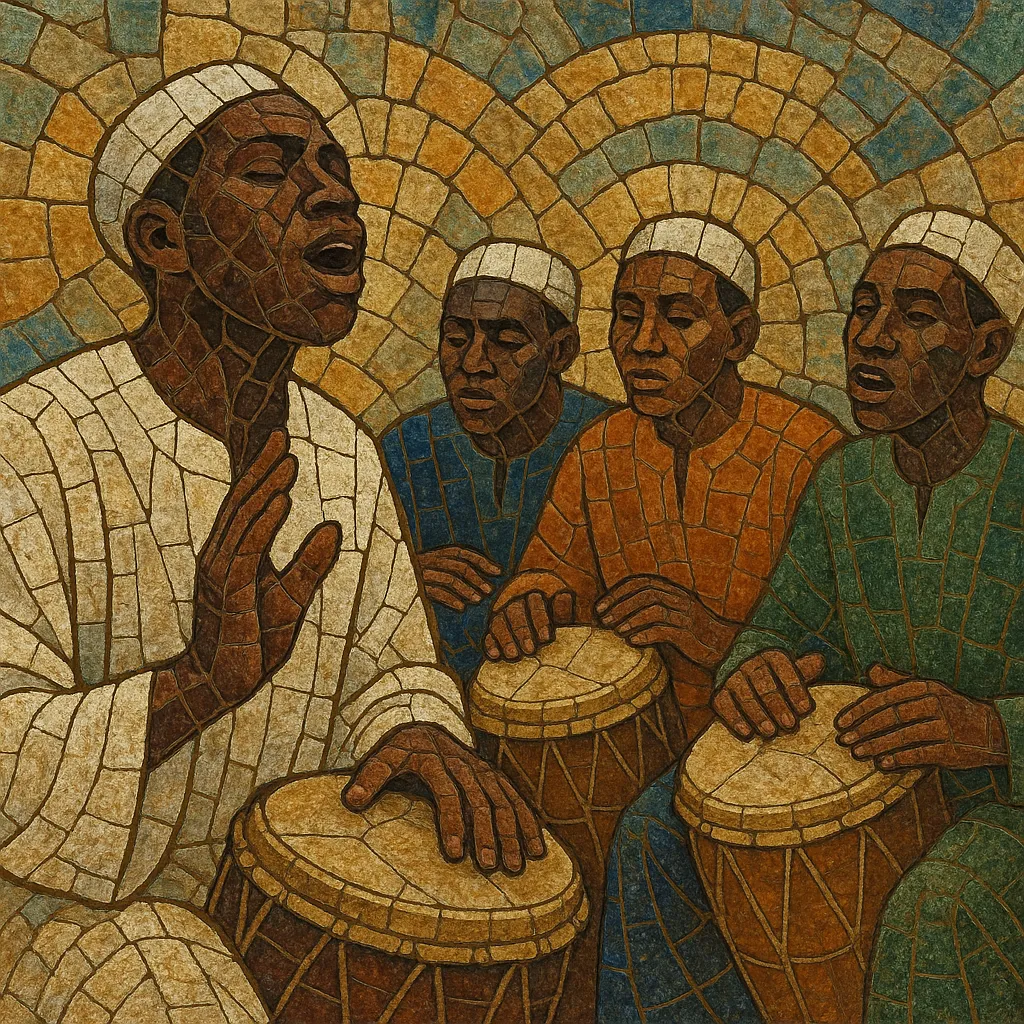
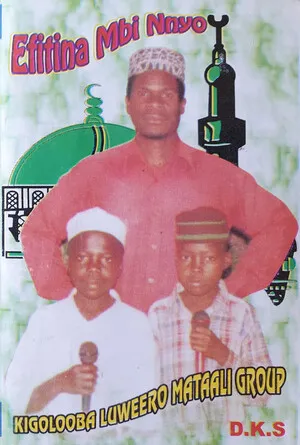
Mataali is a devotional praise genre practiced by the Muslim community of Buganda (central Uganda). It is named after the small frame drum (the mataali) that leads the rhythm and accompanies responsorial singing.

Typically performed in Luganda (with occasional Arabic religious phrases), mataali features tight call-and-response vocals, handclaps, and a steady drum ostinato. It is commonly heard in religious and community settings—during Ramadan nights, Eid celebrations, weddings, and other Muslim gatherings—where its texts praise Allah and the Prophet and encourage moral reflection and communal solidarity.


Sources: Spotify, Wikipedia, Discogs, RYM, MB, user feedback and other online sources

History

Origins and Context

Islam first took root in Buganda in the 19th century through contacts with the Swahili coast and the broader Indian Ocean Islamic world. As local Muslim communities consolidated, they shaped a distinctly Baganda devotional sound. By the late 19th to early 20th century, ensembles using a small frame drum—the mataali—had become a recognizable feature of Muslim praise gatherings.

Musical and Social Role

Mataali is participatory music: a lead singer intones lines that a small chorus or gathered community answers, while the frame drum maintains a cyclical rhythmic pattern. The genre’s core function is devotional and communal—animating Ramadan evenings, accompanying processions, and marking major feasts (Eid al-Fitr, Eid al-Adha) and life-cycle events such as weddings. The texts reinforce Islamic teaching, celebrate the Prophet, and build cohesion among Buganda’s Muslims.

Continuity and Change

In the 20th century, mataali practice followed Ugandan urbanization and the growth of mosque-centered associations in Kampala and other towns. Radio and recorded media brought the style beyond its immediate neighborhoods, while local cultural festivals and mosque youth groups helped sustain teaching of drum techniques and choral parts. Today, one still finds mosque-affiliated ensembles performing traditional repertoires, even as some groups experiment with amplified sound or interface with school and cultural programs to preserve the form for younger generations.

How to make a track in this genre

Core Ensemble and Rhythm
•   Use a small frame drum (the mataali) as the rhythmic foundation. Play a repeating ostinato with crisp, even strokes. Handclaps can double the groove or accent phrase endings. •   Maintain a moderate to lively tempo suitable for processions and communal responses.
Vocal Delivery and Texts
•   Structure the piece in call-and-response: a leader (soloist) delivers a line; the chorus or congregation answers in unison or in a tight parallel line. •   Set devotional poetry in Luganda (often interspersed with Arabic phrases like “Allahu Akbar,” “Bismillah,” or blessings on the Prophet). Keep lines clear and memorable to invite communal participation. •   Favor syllabic delivery for clarity, with gentle melismas at cadences. Emphasize a strong, prayerful projection.
Melody and Mode
•   Keep melodies within a comfortable communal range (often a narrow ambitus) that supports group singing. •   Use modal contours familiar to Luganda song practice while allowing for ornamentation at phrase ends. Pitch center should remain stable to support the drum ostinato’s cyclical feel.
Form and Flow
•   Alternate solo/chorus strophes with brief instrumental (drum-only) interludes to reset breath and focus. •   End sections with a unified cadence (vocal cutoff plus a final accented drum stroke) to cue transitions.
Performance Practice
•   Prioritize togetherness and intelligibility of the sacred text over virtuosity. •   Rehearse coordinated entries, cueing from the lead singer and principal drummer. Encourage the audience/congregation to join the refrains—mataali thrives on participation.

Top tracks

Locked
Share your favorite track to unlock other users’ top tracks

Upcoming concerts

in this genre
Influenced by
Has influenced
No genres found

Download our mobile app

Get the Melodigging app and start digging for new genres on the go
© 2026 Melodigging
Melodding was created as a tribute to Every Noise at Once, which inspired us to help curious minds keep digging into music's ever-evolving genres.
Buy me a coffee for Melodigging