Your digging level
Description
MAGA rap is a politically explicit micro‑scene within U.S. hip hop that explicitly endorses right‑leaning, pro‑Trump ("Make America Great Again") themes. It blends contemporary trap sonics, chant‑ready hooks, and meme culture with patriotic imagery, faith references, and anti‑establishment rhetoric from a conservative perspective.
Stylistically it relies on modern hip‑hop production: 808 bass, brisk hi‑hat patterns, and anthemic refrains designed for viral spread on platforms such as TikTok, YouTube, and Twitter/X. Lyrically it is overtly topical—name‑checking politicians, policies, slogans, and news memes—and often uses call‑and‑response structures to turn political slogans into stadium‑style choruses.


History
MAGA rap emerged in the United States during the late 2010s as hip hop artists and online creators began making openly pro‑Trump songs during and after the 2016 U.S. presidential campaign. Early recordings circulated primarily on YouTube, Facebook, and SoundCloud, aligning with a broader wave of meme‑driven, platform‑native hip hop.
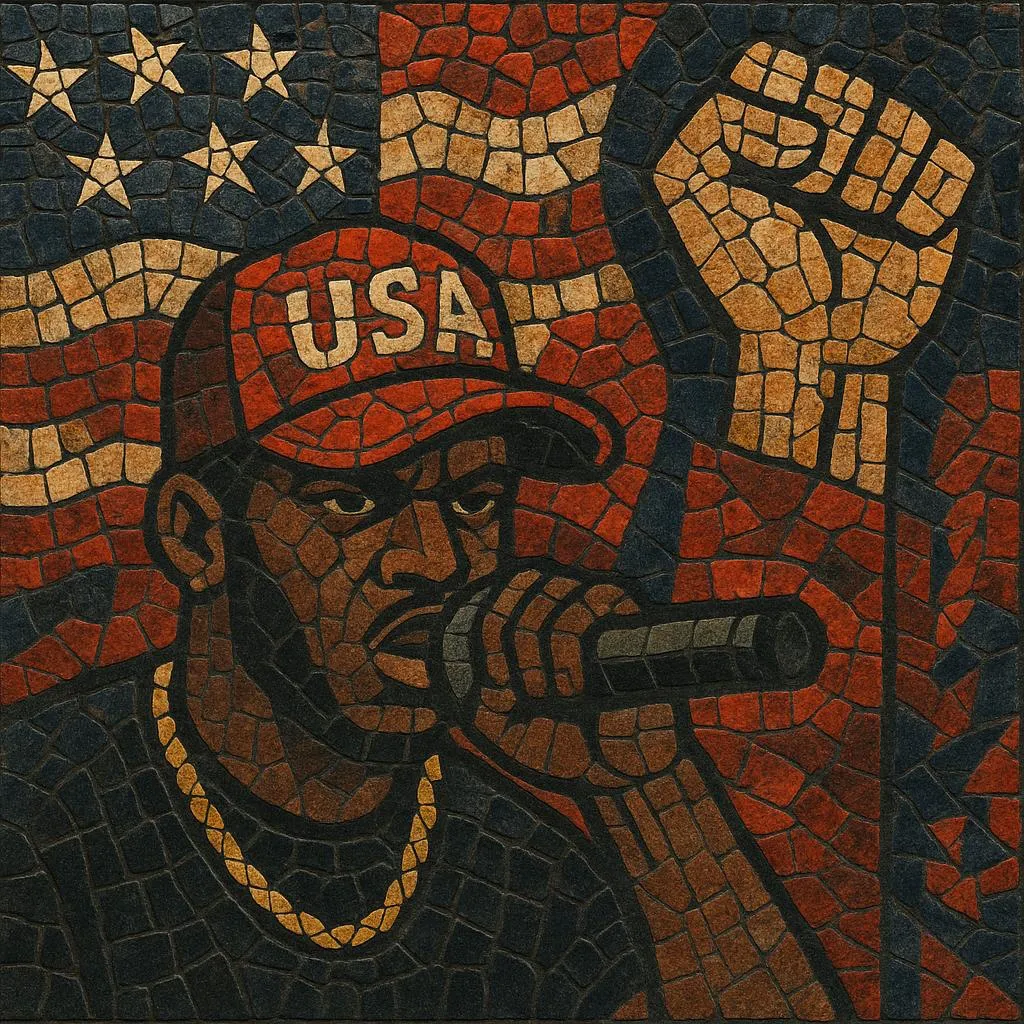
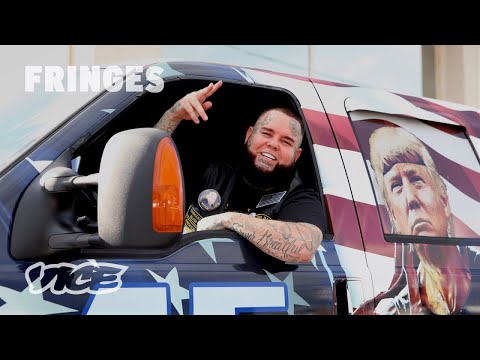
By 2019–2020, a loosely connected network of independent rappers, videographers, and commentators coalesced around the theme. Visual tropes—U.S. flags, red caps, rally footage—and production choices—trap drums, chantable hooks—helped the material function both as music and as shareable political media. Many artists operated outside major labels, leveraging direct‑to‑fan platforms, livestreams, and merch to monetize.
The scene’s highest visibility arrived with viral singles tied to headline news and catchphrases. Loza Alexander’s “Let’s Go Brandon” (2021) and multiple releases by Bryson Gray, Forgiato Blow, and collaborators topped iTunes genre charts and trended across social platforms. Tracks such as Topher, The Marine Rapper, and D.Cure’s “The Patriot” demonstrated how coordinated fan bases and influencer networks could propel politically themed rap into mainstream rankings.
Musically, MAGA rap mirrors contemporary trap and internet rap while prioritizing slogan‑heavy hooks, plain‑spoken verses, and quick turnaround to react to news cycles. Thematically, it emphasizes nationalism, traditional values, free speech, gun rights, and skepticism toward legacy media and establishment politics.
Reception has been polarized: supporters frame it as a populist countercurrent within hip hop; critics view it as propagandistic or exclusionary. Regardless, the scene illustrates how internet‑native distribution and meme culture can generate rapid, chart‑visible surges for explicitly political music.