Your digging level
Description
Macau pop refers to the popular music made by artists from the Macau Special Administrative Region, shaped by the city’s multilingual and multicultural fabric.
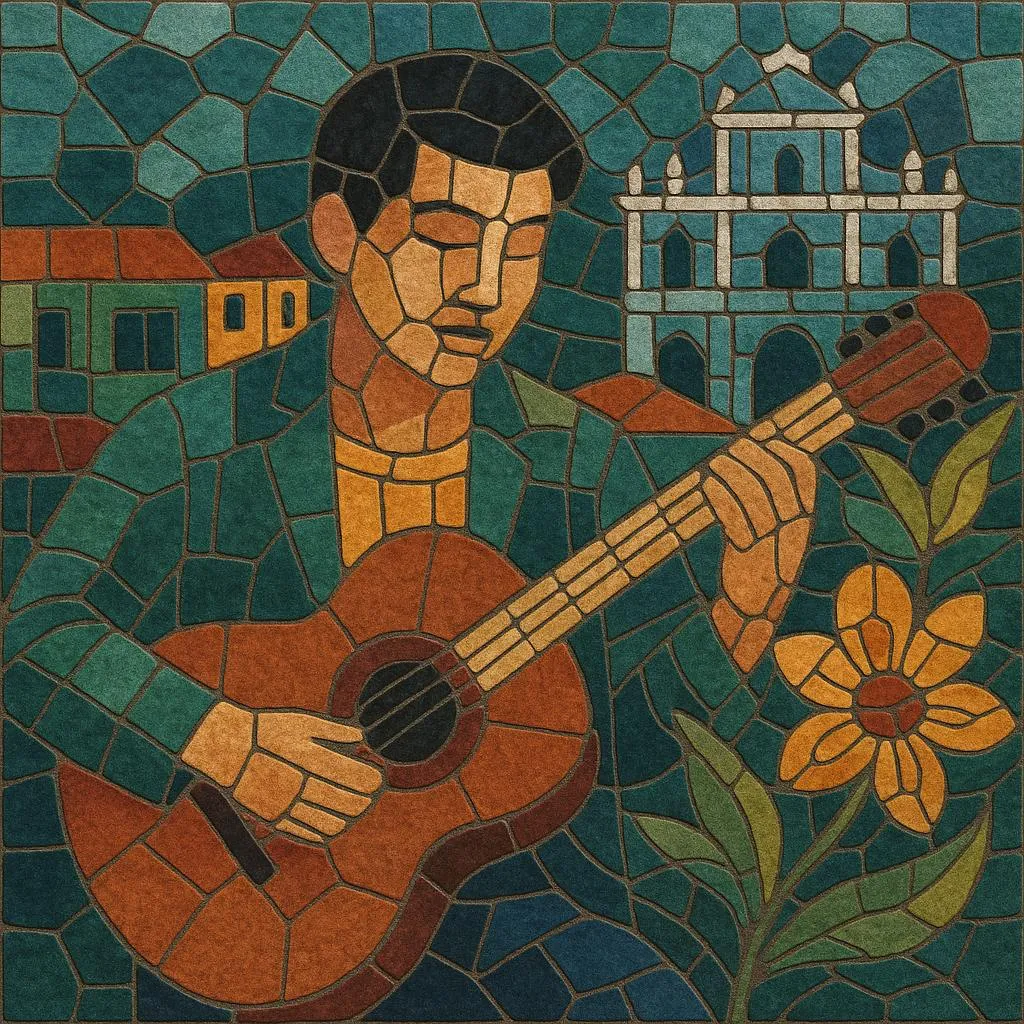
Rooted mainly in Cantonese- and Mandarin-language pop traditions, it also carries Lusophone touches inherited from centuries of Portuguese presence—occasionally surfacing as Portuguese or Macanese Patuá phrases, fado-like chord colors, nylon‑string guitar timbres, and light bossa/jazz rhythms. Because Macau’s scene is comparatively small, many performers build careers across the Greater Bay Area (Hong Kong, Macau, Guangzhou, Shenzhen) while keeping lyrical and stylistic signposts of Macanese identity.
Sonically, Macau pop ranges from soft ballads and city‑pop‑adjacent warmth to contemporary dance‑pop and acoustic singer‑songwriter fare. The city’s festival ecosystem (e.g., HUSH!! Full Music) and casino‑hotel venues also encourage polished live arrangements and crossover collaborations.
History
Macau pop coalesced as Macanese singers found audiences in neighboring Hong Kong’s mature Cantopop market and Taiwan’s Mandopop sphere. Macau‑born stars such as Jenny Tseng bridged Macau’s local culture and the wider Chinese‑language industry, establishing a template: Cantonese/Mandarin repertoire, Western pop harmony, and a professional studio/variety‑show circuit.
With TV talent programs, commercial studios, and live houses centered mostly in Hong Kong, many Macau artists built cross‑border careers. The opening of large resort venues in Macau created steady stages for polished pop, lounge, and crossover shows, while local Cultural Affairs initiatives began to platform original acts at city festivals.
Events such as HUSH!! Full Music accelerated original songwriting scenes, from pop balladry to indie pop/rock. Digital platforms (YouTube, streaming services, Mainland social media) helped Macau artists reach the Greater Bay Area and Lusophone listeners. While Cantonese and Mandarin remain dominant, occasional Portuguese/Patuá lines and fado/bossa colors nod to Macau’s hybrid identity, keeping its pop distinct even as it dialogues with Cantopop and Mandopop.