Your digging level
Description
Lagu Manado is a regional Indonesian popular music style associated with Manado and the wider Minahasa area of North Sulawesi. It is typically sung in Manado Malay (Bahasa Manado), a lively colloquial Malay variety with distinctive vocabulary and cadence.
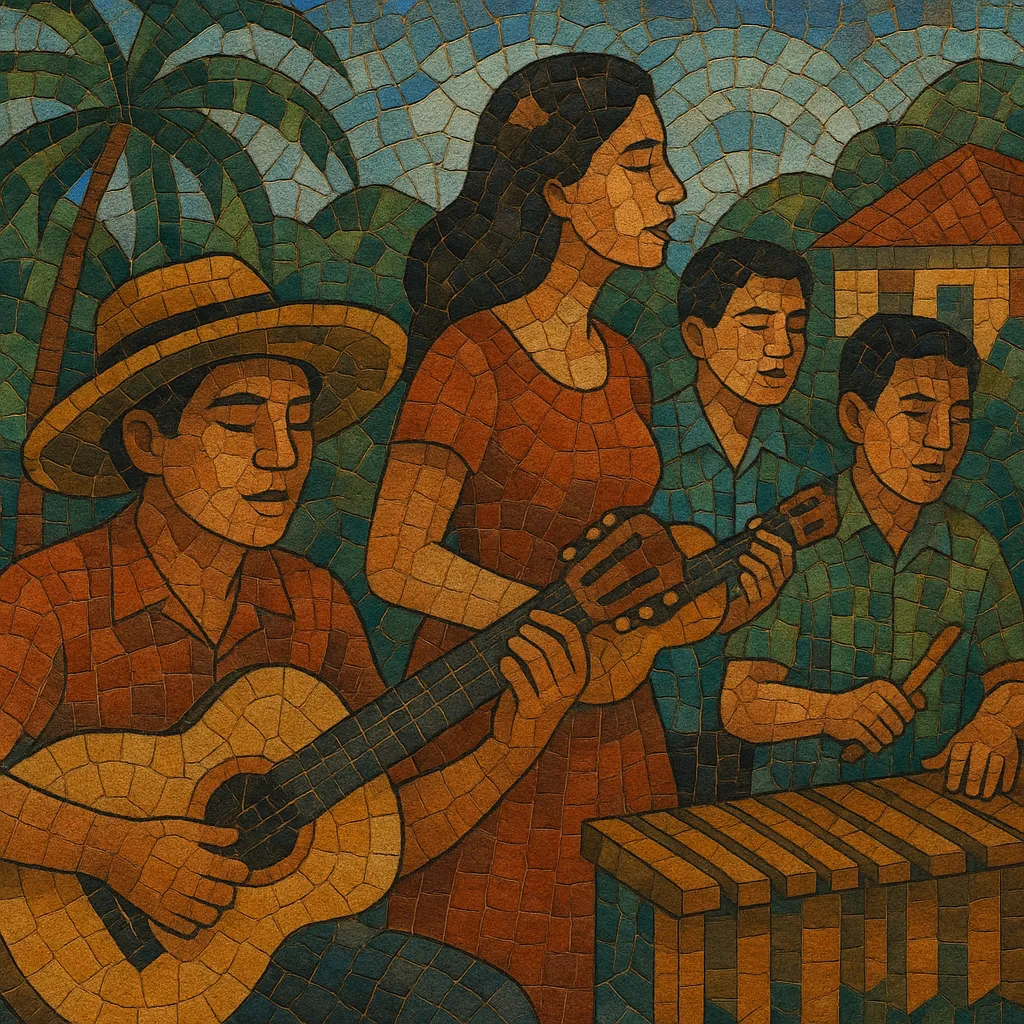
The style blends island-string-band strumming, light pop arrangements, church-derived vocal harmony, and local timbres such as kolintang (the Minahasan wooden-key xylophone) and bamboo ensembles. Songs are often mid‑tempo, easy to dance to, and rich in sing‑along refrains. Lyrics frequently revolve around everyday life, humor, teasing wordplay, romance, diaspora nostalgia, and regional pride, making the genre a social staple at family gatherings, weddings, and community events.
Musically, Lagu Manado favors diatonic melodies, parallel third harmonies, and gentle offbeat guitar/ukulele patterns influenced by Hawaiian and other Pacific island musics. Production ranges from fully acoustic group performances to modern pop arrangements that retain the characteristic bright, convivial feel.
History
Lagu Manado grew out of North Sulawesi’s vibrant urban and church music life, where string bands, choral traditions, and local folk idioms converged. As radio, records, and touring musicians circulated Hawaiian, Latin, and light pop sounds across the archipelago, Manado musicians adapted these influences to Manado Malay lyrics and Minahasan performance practices, adding local instruments like kolintang.
Affordable cassette production and regional studios helped codify the style. Songs in Manado Malay became fixtures at social events and in inter-island diaspora communities. Church choirs and family vocal groups shaped the genre’s hallmark harmony style, while danceable string-band grooves and humorous, conversational lyrics kept it close to everyday life.
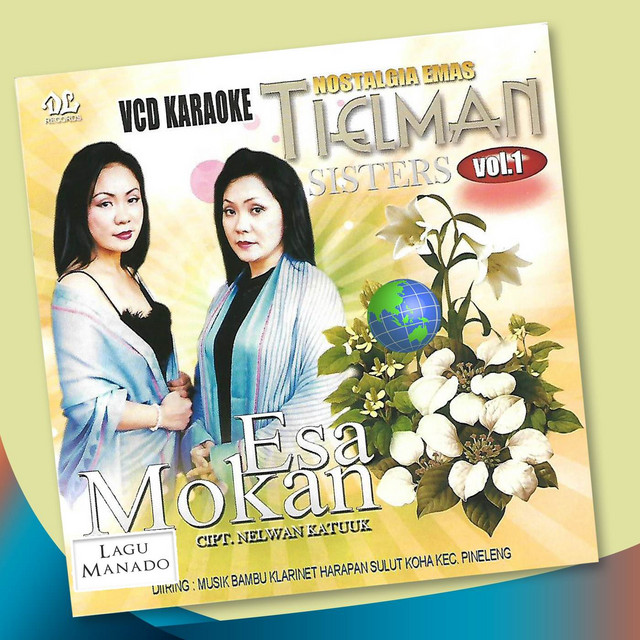
With VCDs, YouTube, and streaming, Lagu Manado reached broader Indonesian audiences. Contemporary productions use drum kits, electric bass, and pop mixing, yet retain the upbeat island strum, straightforward chord cycles, and call‑and‑response refrains. Revivals of classic repertoire and new originals coexist, and kolintang/bamboo timbres remain a celebrated regional signature.
Beyond entertainment, Lagu Manado functions as a marker of identity for Minahasan and North Sulawesi communities. It bridges sacred and secular performance—church-honed harmony and community singing inform a popular style that celebrates local language, humor, and solidarity.
Start with a rhythm guitar or ukulele providing a steady island-style strum, supported by bass (upright or electric) and a light drum kit or cajón/shakers. When available, add kolintang for melodic fills and countermelodies, or a bamboo ensemble for regional color. Layer two–four vocalists for harmonized choruses.
Use diatonic major keys with simple, memorable melodies. Common progressions include I–IV–V and I–V–vi–IV. Parallel third harmonies and unison-to-harmony lifts in the chorus reinforce the sing‑along quality. Keep phrases short and conversational to match the language’s rhythm.
Aim for 90–120 BPM with an even 4/4 pulse. Emphasize offbeats with the strumming hand to evoke Hawaiian/Pacific feel. Percussion should be light and buoyant—rim clicks, shakers, and soft kick patterns rather than heavy backbeats.
Write in Manado Malay (Bahasa Manado) when possible, leveraging its colloquial flair (e.g., "ngana" for you, "torang" for we). Themes include romance, friendly teasing, community life, travel/return, and regional pride. Keep verses narrative and choruses catchy and inclusive, encouraging call‑and‑response.
Intro with a short guitar/kolintang hook. Use verse–chorus form with a possible middle eight for contrast. Double the chorus near the end and add crowd-style harmonies. Production should be clean and intimate—prioritize vocal clarity, bright acoustic strums, and natural room presence. Avoid overly dense synth layers that obscure the acoustic heart of the style.