Your digging level

For this genre
0/8
🏆
Sign in, then listen to this genre to level up

Description

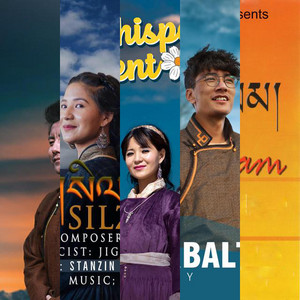
Ladakhi pop is a contemporary popular music style from Ladakh (India) that blends Ladakhi/Bhoti-language vocals and Himalayan folk sensibilities with Indian film-pop hooks and modern electronic production.

Melodies often trace pentatonic contours familiar across Tibetan-plateau traditions, while grooves, song structures, and production aesthetics draw from Bollywood, Indian pop, and pan-Asian dance-pop. Typical releases range from tender, acoustic-leaning ballads to buoyant, synth-driven dance tracks suited for weddings, festivals, and youth-oriented video platforms.

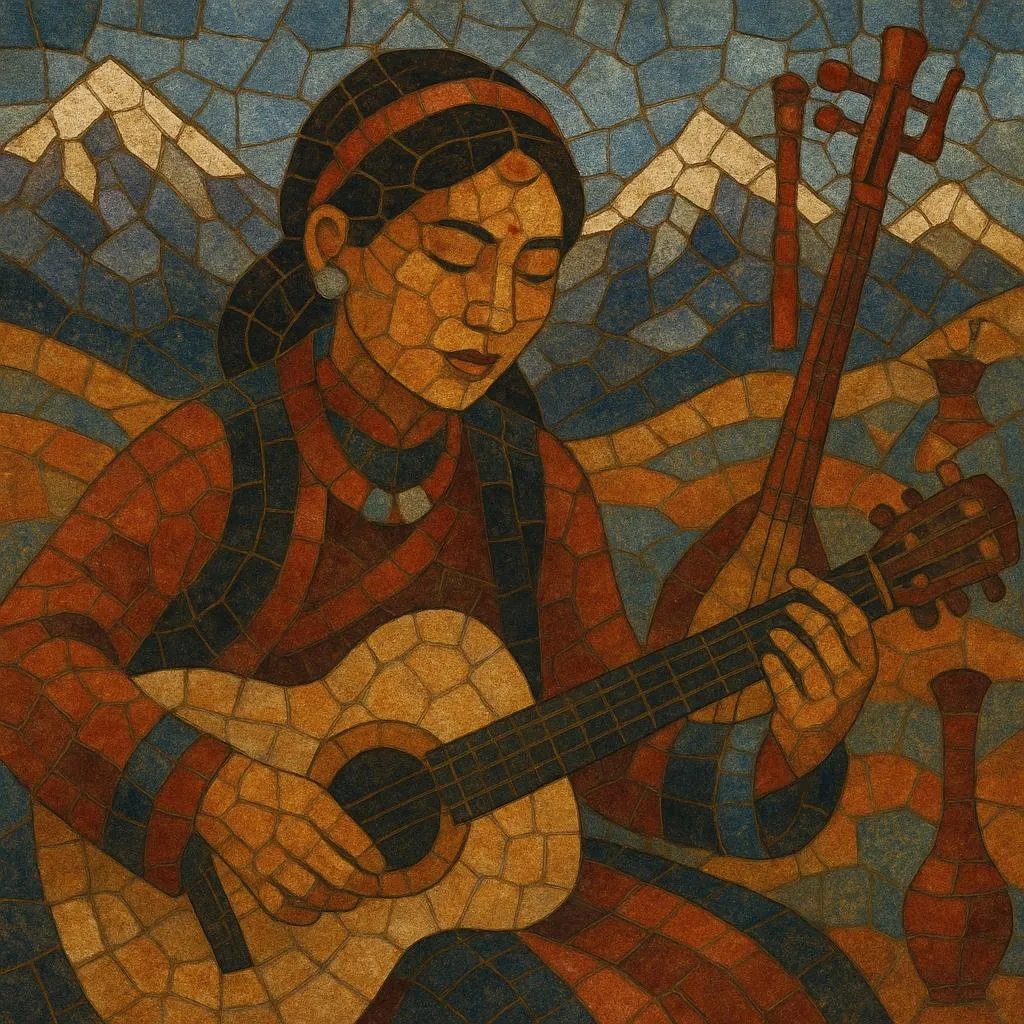
Characteristic timbres frequently juxtapose local instruments (dranyen/Tibetan lute, surna/shawm, daman frame drums) with acoustic guitar, keyboards, and EDM textures. Themes cover love, landscape and identity, seasonal festivities, and the everyday life of high-altitude communities.


Sources: Spotify, Wikipedia, Discogs, RYM, MB, user feedback and other online sources

History

Roots and emergence (late 1990s–2000s)

Ladakhi pop grew from cassette and VCD cultures that carried Indian film songs and Tibetan-plateau pop into the region. Local singers began adapting the verse–chorus design and crooning style of Indian pop/Bollywood while retaining Ladakhi linguistic and melodic identity. Parallel exposure to Tibetan pop and Bhutanese rigsar encouraged the adoption of pentatonic tune-shapes and bright, danceable backbeats.

Digital acceleration (2010s)

Affordable studios, laptop production, and YouTube/Facebook distribution catalyzed a surge of singles and visually striking clips shot around Leh, Nubra, and Zanskar. Wedding circuits and regional festivals further normalized the sound, while collaborations with DJs and producers introduced club remixes, mashups, and EDM tropes.

Consolidation and diversification (late 2010s–2020s)

As Ladakh’s distinct cultural profile drew wider attention, artists doubled down on Bhoti/Ladakhi lyrics, scenic storytelling, and hybrid instrumentation—balancing acoustic textures (dranyen, surna, daman) with pop rhythm sections and synths. Ballads coexist with uptempo dance-pop and electro-inflected anthems, and cross-border exchanges with Tibetan- and Kashmiri-speaking scenes continue to shape production aesthetics and repertoire.

Today

Ladakhi pop is a vibrant, video-first ecosystem that bridges local tradition and contemporary pop craft. It functions as both a dance-floor soundtrack for celebrations and a vehicle for community memory, love narratives, and Himalayan place-identity.


How to make a track in this genre

Instrumentation and timbre
•   Combine local sounds (dranyen/Tibetan lute, surna/shawm, daman frame drum or dhol-like percussion) with acoustic guitar, bass, and a pop keyboard palette (pads, piano, bell synths). •   For dance-oriented tracks, layer four-on-the-floor or light dembow/dancehall-adjacent kicks with crisp claps/snares, hi-hat patterns, and a warm sub-bass. For ballads, use simple drum programming or cajón/hand percussion and a steady guitar or keys ostinato.
Melody, scales, and harmony
•   Favor pentatonic and hexatonic shapes common in Himalayan traditions (e.g., minor pentatonic or major pentatonic with modal inflections). Keep phrases singable and hook-forward. •   Harmony can remain sparse: I–vi–IV–V (or modal equivalents) works well; drones or sustained pads under verse lines preserve a folk ambience.
Rhythm and tempo
•   Ballads: 70–95 BPM with gentle backbeat; Dance-pop: 105–124 BPM with straight or lightly syncopated grooves. •   Consider 6/8 or lilting compound feels for folk-tinged numbers; for club mixes, use 4/4 with occasional off-beat accents that emulate traditional dance energy.
Vocals, language, and lyrics
•   Sing in Ladakhi/Bhoti (with selective Hindi/Urdu/Tibetan code-switching if natural). Keep diction clear, with modest melismas at cadences. •   Topics: romance and longing, seasonal and pastoral imagery, friendship, celebration, and pride in Ladakh’s landscapes and customs. Refrains should be concise, repeatable, and emotionally direct.
Arrangement and production
•   Structure: intro – verse – pre-chorus – chorus – verse – chorus – bridge – final chorus. Feature a short instrumental break for dranyen or surna. •   Layer acoustic sources with modern pop sheen (subtle sidechain on pads, tasteful delay/reverb on leads, stereo widening on backing vocals). Maintain headroom so traditional timbres remain present.
Performance contexts
•   Prepare two mixes: a stage mix with live percussion/strings for weddings and festivals, and a polished video/streaming master with tighter low-end and brighter vocals. •   Visuals matter: plan music videos that foreground regional attire, dance, and landscapes to complement the song’s narrative.

Top tracks

Locked
Share your favorite track to unlock other users’ top tracks

Upcoming concerts

in this genre
Influenced by
Has influenced
No genres found

Download our mobile app

Get the Melodigging app and start digging for new genres on the go
© 2026 Melodigging
Melodding was created as a tribute to Every Noise at Once, which inspired us to help curious minds keep digging into music's ever-evolving genres.
Buy me a coffee for Melodigging