Your digging level

For this genre
0/8
🏆
Sign in, then listen to this genre to level up

Description

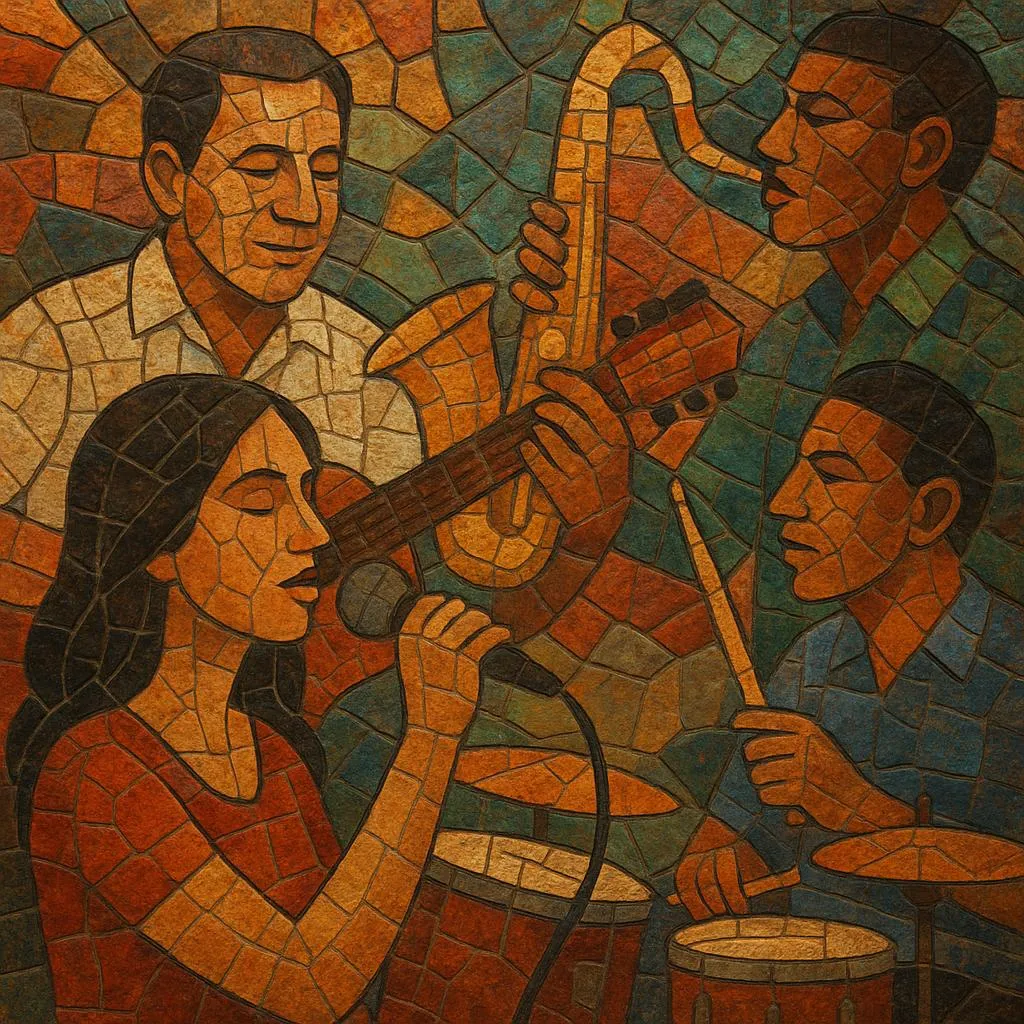
Konkani pop is a strand of Indian popular music sung in the Konkani language by Goan and Mangalorean communities. It blends Western pop, jazz, and ballroom-dance rhythms (waltz, polka, foxtrot) with Indian melodic sensibilities and the theatrical song traditions of tiatr (Goan musical theatre).

Characterized by tuneful, lyrical melodies; easy, danceable grooves; and rich vocal delivery, Konkani pop ranges from romantic ballads to upbeat party numbers. Electric guitars, keyboards, drum kits, and brass/woodwinds sit alongside acoustic guitar and occasional Indian percussion, while harmonies draw on both I–IV–V pop progressions and jazz-inflected chords.

The lyrics celebrate love, nostalgia, humor, social life, and faith across Catholic and Hindu Konkani communities, with frequent code-switching (Konkani–English) and regional dialect color from Goa and coastal Karnataka.


Sources: Spotify, Wikipedia, Discogs, RYM, MB, user feedback and other online sources

History

Early roots and theatrical song (late 1800s–1950s)

Konkani popular song emerged from a confluence of Goan and Mangalorean folk repertoire, Catholic liturgical singing, and European ballroom styles introduced during Portuguese rule. The tiatr stage (Goan musical theatre) fostered a culture of topical songs, comic interludes, and expressive ballads, laying foundations for a modern, secular popular repertoire in Konkani.

1960s–1970s: The Bombay–Goa pop era

From the 1960s, Goan bandleaders and vocalists based in Bombay (Mumbai) and Panjim professionalized Konkani pop. Drawing on club jazz, rock ’n’ roll, and film studio practices, they crafted polished singles and stage hits with catchy hooks, multi-part vocal harmonies, and brass/woodwind arrangements. Early records, radio play, and live bands popularized dance styles (waltz/foxtrot/polka) set to Konkani lyrics.

1980s–2000s: Cassettes, tiatr hits, and the Mangaluru wave

Affordable cassettes and VCDs expanded the market across Goa, coastal Karnataka (Mangaluru/Udupi), Mumbai, and the Gulf diaspora. Tiatr troupes and wedding bands refreshed the repertoire, while Mangalorean Konkani artists contributed melodious ballads, devotional pop, and lively dance numbers with touches of Carnatic/Hindustani melody. The scene diversified from crooner-led ensembles to synth-driven arrangements.

2010s–present: Digital revival, fusion, and diaspora

Streaming platforms sparked a revival with glossy videos, indie production, and crossovers with Indian pop and EDM. Younger artists mix acoustic singer‑songwriter textures, programmed beats, and retro brass, often slipping between Konkani and English. Festivals, tiatr circuits, and diaspora communities in the Gulf, UK, and North America sustain a vibrant ecosystem where classic theatre songs coexist with contemporary pop ballads and club-oriented tracks.


How to make a track in this genre

Rhythm and groove
•   Choose a danceable base: 4/4 pop/rock (90–120 BPM), light foxtrot, brisk 2/4 polka, or 3/4/6/8 waltz for ballads. •   Keep drums simple and steady: kick on 1 & 3 (or 1 in waltz), snare/backbeat on 2 & 4, with tasteful hi‑hat or ride patterns.
Harmony and form
•   Use bright, singable keys (C, D, G, A, F major); shift to relative minor for sentimental moods. •   Start with I–V–vi–IV or I–IV–V pop cycles; color with ii, IVmaj7, V7, and the occasional borrowed bVII or secondary dominants for a jazzy Goan touch. •   Forms typically run intro–verse–chorus–verse–chorus–bridge–chorus–outro; insert a short instrumental break for brass/woodwind or guitar.
Melody and vocals
•   Craft a lead melody that’s lyrical and speech‑like to fit Konkani prosody; aim for memorable chorus hooks and call‑and‑response refrains. •   Backing vocals often double the melody in thirds/sixths or provide doo‑wop‑style pads; use unison gang vocals for festive sections.
Instrumentation and arrangement
•   Core band: vocals, electric/acoustic guitars, bass, drum kit, keys (piano/e‑piano/organ/strings pad). •   Add color with saxophone/trumpet/trombone, flute/clarinet, or accordion for vintage ballroom flavor. •   Optional Indian touches: light tabla/dholak or melodic ornaments that still sit inside a Western harmonic grid.
Lyrics and themes
•   Topics: romance, friendship, weddings, local humor, social slices of life, and gentle satire—keep it conversational and image‑rich. •   Use regionally authentic Konkani (Goan or Mangalorean dialects), with occasional English code‑switching for hooks and modern feel.
Production tips
•   Keep vocals forward and warm; gentle compression and plate/spring‑type reverbs evoke classic Konkani records. •   Pan rhythm guitar/keys for stereo bounce; feature a mid‑song horn or guitar solo; for contemporary tracks layer subtle synth arps or EDM‑style risers without overpowering the song’s lyrical core.

Top tracks

Locked
Share your favorite track to unlock other users’ top tracks

Upcoming concerts

in this genre
Influenced by
Has influenced
No genres found

Download our mobile app

Get the Melodigging app and start digging for new genres on the go
© 2026 Melodigging
Melodding was created as a tribute to Every Noise at Once, which inspired us to help curious minds keep digging into music's ever-evolving genres.
Buy me a coffee for Melodigging