Your digging level

For this genre
0/8
🏆
Sign in, then listen to this genre to level up

Description

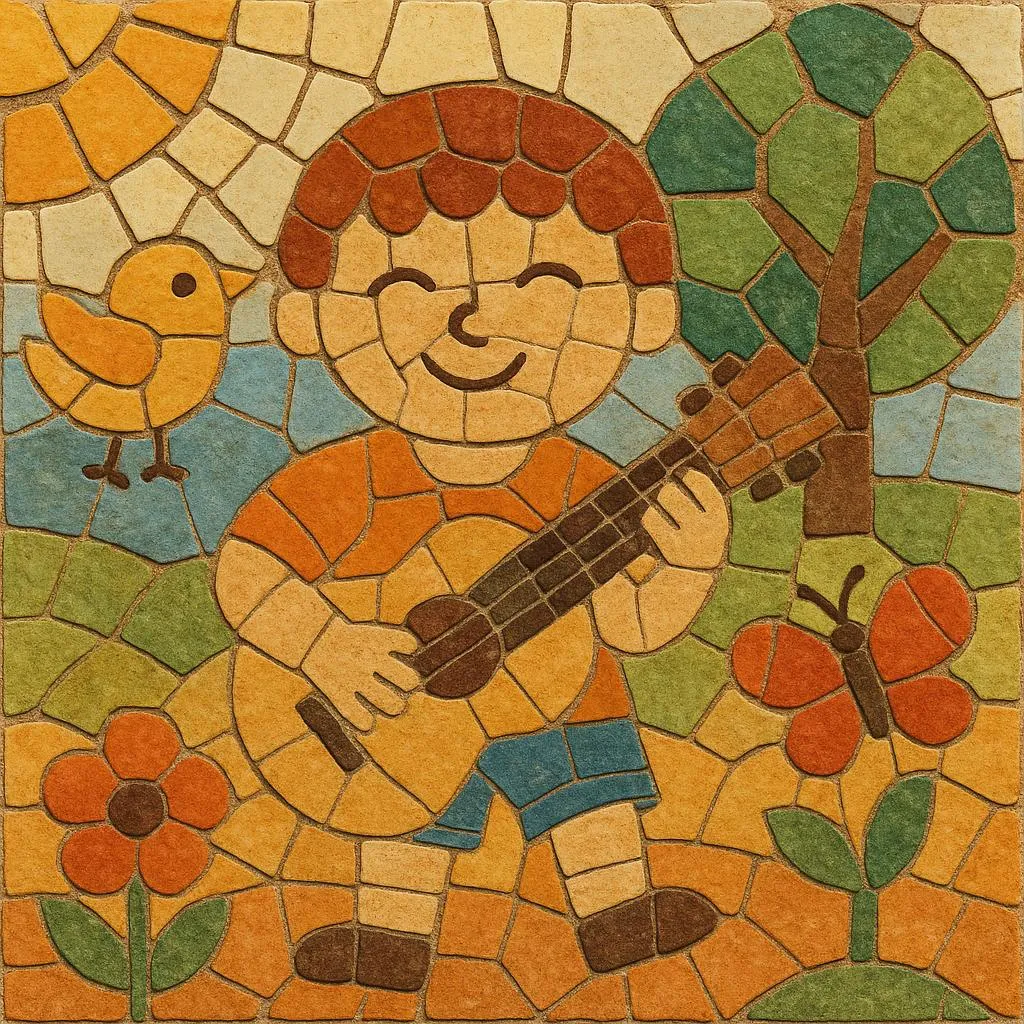
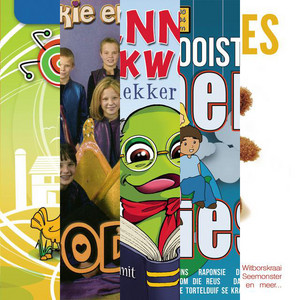
Kinderliedjies are Afrikaans children's songs from South Africa, encompassing lullabies, counting songs, clapping games, play-songs, and sing‑along material created for early childhood through primary school.

Musically they favor simple, memorable melodies in major keys, short phrases, and repetitive call‑and‑response structures that invite participation. Lyrics are in Afrikaans and lean toward everyday imagery (animals, family, school, nature), moral tales, and early literacy/numeracy. Arrangements range from unaccompanied voices and classroom percussion to guitar/ukulele, piano/accordion, and light band backings; modern productions often add pop‑inflected rhythm sections to encourage movement.

The repertoire fuses Cape Dutch/Boer lullaby traditions with schoolroom and Sunday‑school song culture, and in recent decades has expanded through televised series, DVDs, and streaming aimed at child development and movement education.


Sources: Spotify, Wikipedia, Discogs, RYM, MB, user feedback and other online sources

History

Early roots (late 19th–early 20th century)

Afrikaans children’s repertoires grew from Cape Dutch and Boer household lullabies and play‑songs, circulating orally among families and on farms. As Afrikaans standardized in the early 1900s, teachers and ministers began collecting and printing children’s verses and tunes for schools and Sunday schools, giving the songs stable texts and simple harmonizations.

Institutionalization (mid 20th century)

With the expansion of Afrikaans‑medium education, songbooks and readers codified a core set of kinder­liedjies (e.g., lullabies like “Siembamba” and playful pieces like “Bobbejaan klim die berg”). School assemblies, eisteddfods, and church programs embedded the style in community life, often accompanied by piano, accordion, or classroom percussion.

Broadcast era and star recordings (1970s–1990s)

SABC radio/TV and LP/cassette markets nurtured dedicated children’s albums and character‑driven soundtracks. Recording artists and theatre/TV franchises popularized sing‑along versions with friendly narration, encouraging at‑home participation and early language learning.

Multimedia and movement education (2000s–present)

DVD/streaming brands and school show circuits (e.g., high‑energy sing‑and‑move programs) fused pop production with developmental goals (motor skills, counting, colors). Digital platforms, YouTube channels, and preschool playlists have internationalized the repertoire while keeping Afrikaans language and cultural references central.

How to make a track in this genre

Melody and harmony
•   Use short, catchy melodies in a limited vocal range (roughly C4–A4) so children can sing comfortably. •   Favor major keys and pentatonic contours; keep phrases symmetrical (4 or 8 bars) and repeat motivic cells. •   Harmony can stay I–IV–V (occasional vi) with slow‑moving changes; cadences should be clear and frequent to cue participation.
Rhythm and form
•   Choose steady 2/4 or 4/4 at moderate tempos (90–120 BPM) for clapping/marching; for lullabies, slower 3/4 or 6/8 sways. •   Build simple forms (AABA, verse–chorus) with a strong, easily memorized refrain; use call‑and‑response to invite echo singing.
Instrumentation and texture
•   Start with voice + guitar/ukulele or piano; add hand percussion (claps, shakers, triangle, tambourine) and light bass/drums for pop‑tinged tracks. •   For classroom renditions, arrange unison melody with Orff instruments; for shows, add backing vocals that double the hook.
Lyrics and themes (Afrikaans)
•   Write in clear Afrikaans with concrete nouns/verbs, rhyme pairs, counting sequences, colors, animals, and daily routines. •   Embed actions (spring, klap, draai) directly into lyrics to cue movement; keep sentences short and repetitive for language reinforcement.
Educational and cultural cues
•   Integrate gentle moral lessons and social skills; adapt classic lullabies/play‑songs (e.g., Siembamba motifs) with fresh verses. •   Consider light local grooves (clap patterns, skippy backbeats) to reflect Southern African feel while staying child‑friendly.
Production tips
•   Keep lead vocal forward and warm; double the chorus an octave up/down for support. •   Use callouts, count‑ins, and sound effects sparingly to maintain attention without cluttering the mix.

Top tracks

Locked
Share your favorite track to unlock other users’ top tracks

Upcoming concerts

in this genre
Influenced by
Has influenced

Download our mobile app

Get the Melodigging app and start digging for new genres on the go
© 2026 Melodigging
Melodding was created as a tribute to Every Noise at Once, which inspired us to help curious minds keep digging into music's ever-evolving genres.
Buy me a coffee for Melodigging