Your digging level
Description
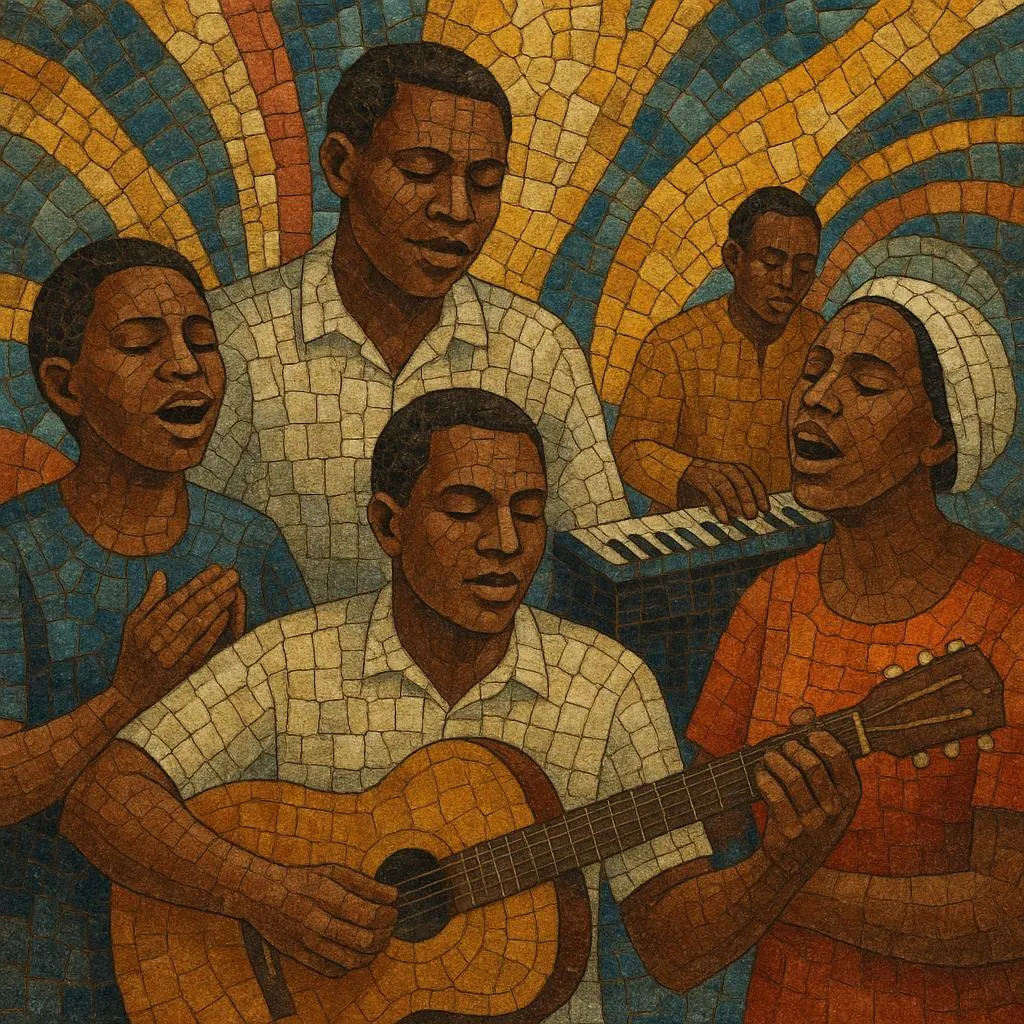
Kikuyu gospel is Christian devotional music performed primarily in Gikuyu (Kĩkũyũ), the language of the Kikuyu people of central Kenya. It blends biblical themes, thanksgiving, and testimony with East African guitar-band idioms and contemporary church worship aesthetics.
Musically, the style often marries benga-derived lead guitar picking, bright keyboards, and choral call-and-response with steady 4/4 or lilting 6/8 grooves. Lyrics emphasize salvation, endurance, moral exhortation, and communal praise, delivered through memorable refrains designed for congregational singing and community events such as crusades, weddings, and church rallies.
While deeply rooted in local speech rhythms and Kikuyu poetic devices, modern Kikuyu gospel also embraces pan–East African production—drum kits, bass guitar, synthesizers, modulation "key-lifts," and tight backing choirs—making it equally at home on church stages, regional radio, and digital platforms.
History
Kikuyu-language Christian song has long existed in church life, hymn translations, and revival meetings. As Kenyan recording infrastructure and cassette circulation expanded in the late 1970s–1980s, Kikuyu gospel began to crystallize as a recorded style, drawing on local hymnody, revival choruses, and the region’s guitar-band aesthetics.
The 1990s cassette boom and vernacular radio stations helped the genre reach Kikuyu-speaking communities across Central Kenya and the diaspora. Artists adopted benga-influenced guitar lines, added call-and-response choirs, and crafted concise, radio-ready songs with strong hooks and testimonies.
Affordable video production (VCD/DVD) and faith-based TV programming amplified the visual dimension—performance clips, church concerts, and testimonial narratives. Arrangements increasingly featured modern keyboards, drum programming, and the “key-lift” modulation popular in contemporary worship, while maintaining distinctly Kikuyu melodic contours and proverbs.
YouTube, social media, and streaming enabled rapid dissemination beyond Kenya. Production values rose, choirs tightened, and collaborations with producers versed in Afropop and contemporary gospel broadened the sound. The genre remains a pillar of Kikuyu cultural life—soundtracking worship, community events, and social milestones—while engaging younger audiences online.