Your digging level
Description
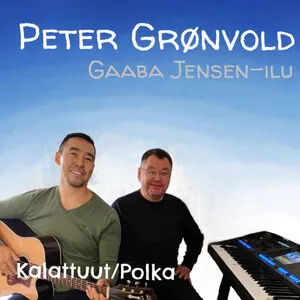
Kalattut (often called the Greenlandic polka) is a traditional Greenlandic dance-music style that blends European couple-dance rhythms—especially polka, schottische, waltz, and contra—into a uniquely Inuit/Greenlandic social dance context.
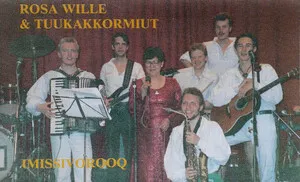
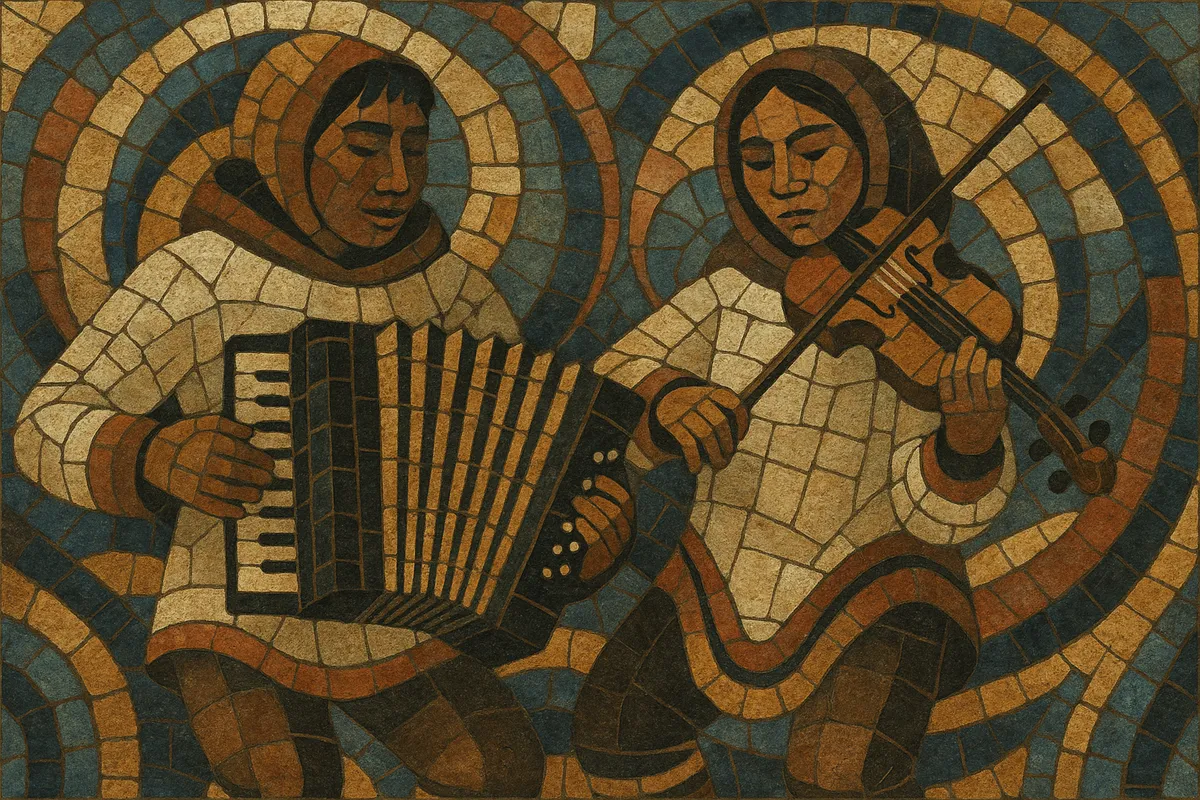
Music for kalattut is typically instrumental and led by accordion and/or fiddle, played at a lively tempo suitable for set dances and figure changes. Tunes are usually short, memorable, and arranged in repeated strains (AA–BB), supporting circle or line formations and playful partner exchanges.
Although related to broader European folk-dance music, kalattut has its own steps, figures, and pacing shaped by Greenlandic social gatherings, making it a distinctive local tradition rather than a direct copy of European forms.
History
European traders, whalers, and missionaries brought couple-dance repertoires such as polka, schottische, waltz, and contra to Greenland during the 1800s. Greenlandic communities adapted these rhythms and figures to their own social dances, giving rise to kalattut—sometimes known as the "Greenlandic polka."
As the style took root, Greenlandic dancers and musicians developed characteristic steps, formations, and pacing that matched local festivities and communal gatherings. Accordions and fiddles became the core instruments, with music arranged in short, repeated strains to support figure changes and group participation.
Despite shifting cultural pressures over the 20th century, kalattut remained a vital community tradition, performed at holidays, weddings, and village events. In the late 20th century, cultural revitalization and education initiatives helped sustain and formalize teaching of kalattut steps and tunes in schools and community centers.
Kalattut is widely recognized in Greenland as a symbol of local identity and sociability. It is performed at civic celebrations and cultural festivals, with musicians preserving core repertoires while introducing new tunes that respect the dance’s traditional structure and feel.