Your digging level
Description
K-pop ballad is the slow, emotive wing of Korean pop built around expressive vocals, lush arrangements, and polished, radio-friendly production.
It typically features piano and strings, intimate verses that swell into soaring choruses, and lyrics centered on love, separation, longing, and consolation.
While rooted in classic Korean ballad singing, it adopts K-pop’s modern sound design, hook-centric structures, and idol-centered branding, making it equally at home on album tracklists and television/film OSTs.
Common musical markers include slow-to-mid tempos in 4/4 or 6/8, breathy “half-air, half-voice” timbres, tasteful melisma, late-song ad-libs, and a climactic key change that heightens catharsis.
![[FREE] Kpop Ballad x Sad Kdrama OST Type Beat "let's go"](https://i.ytimg.com/vi/7FziwD21Ldo/hqdefault.jpg)

History
K-pop ballad emerged in the 1990s as a meeting point between the long-standing Korean ballad tradition and contemporary pop aesthetics. Early hitmakers helped codify the genre’s emotive vocal delivery, piano- and string-led orchestrations, and sentiment-forward storytelling. The rise of idol groups introduced a new platform: even dance-focused acts carried signature slow numbers that showcased their main vocalists.
The 2000s brought a massive TV drama and film OST boom that tightly linked K-pop ballads with screen romance and melodrama. Chart-topping theme songs prioritized lyrical clarity, memorable hooks, and cinematic builds. Digital distribution favored stand-alone singles, further entrenching the ballad as a chart regular beyond album cycles.
In the 2010s, powerhouse idol vocalists and vocal units (including sub-groups and solo spin-offs) turned the ballad into a core showcase format. Production quality intensified: pristine tuning, detailed string writing, intimate mic technique, and dynamic choruses with late-song key changes became hallmarks. Online platforms and global K-drama fandom spread the style internationally.
Today, K-pop ballad remains a consistent chart presence and a staple of K-drama identity. It frequently blends modern R&B textures, lo-fi piano intros, and tasteful electronic layers while preserving the centrality of heartfelt vocals. The form has broadened—duets, acoustic live versions, and orchestral remakes keep the repertoire evergreen, while younger singer-songwriters contribute fresh lyrical nuance.

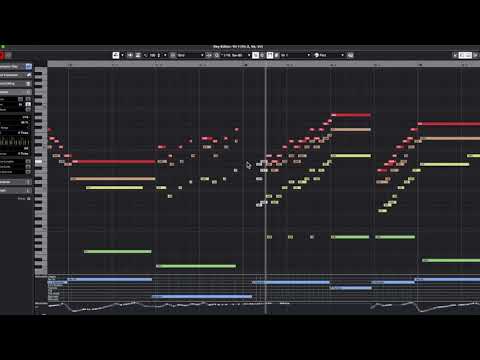
![[FL Studio Project 14] Realistic K-pop Ballad Midi Strings Arrangement](https://i.ytimg.com/vi/iQ4eFgRnh5U/hqdefault.jpg)