Your digging level

For this genre
0/8
🏆
Sign in, then listen to this genre to level up

Description

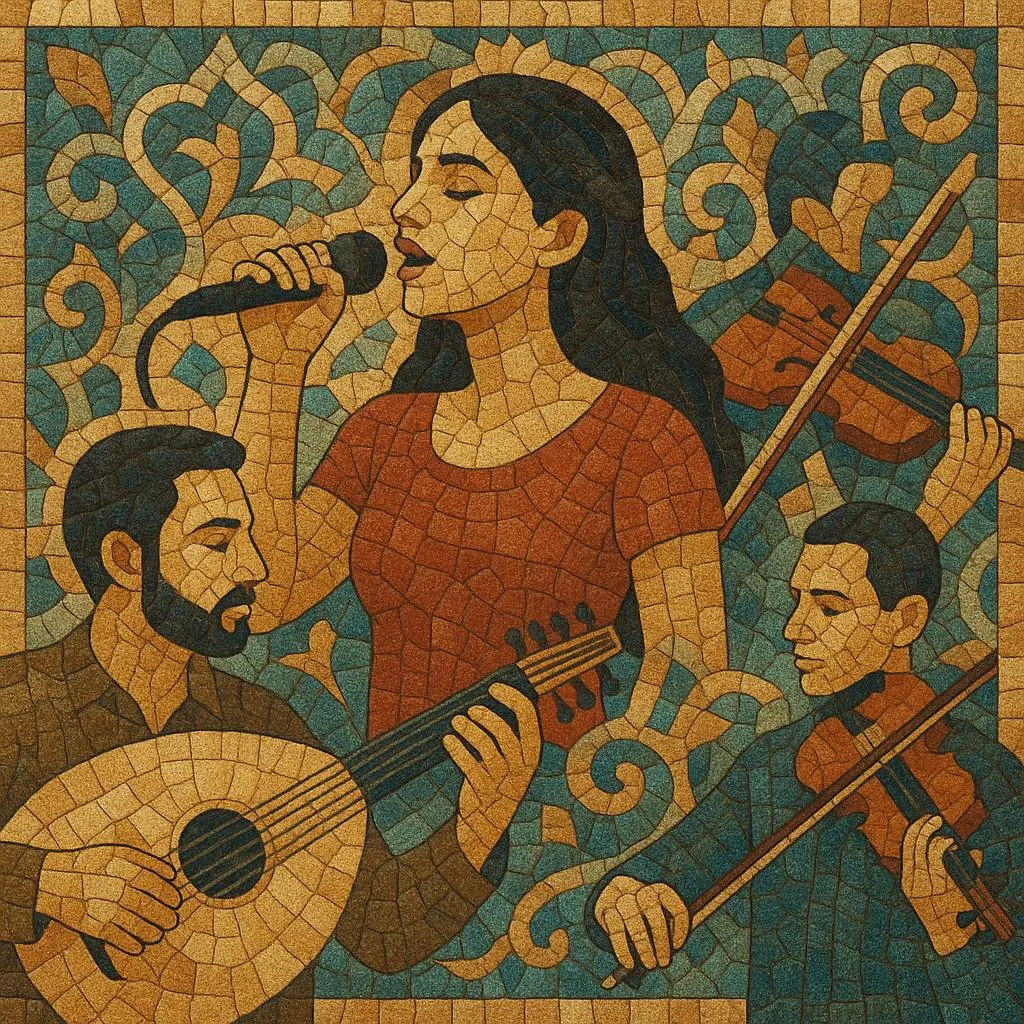
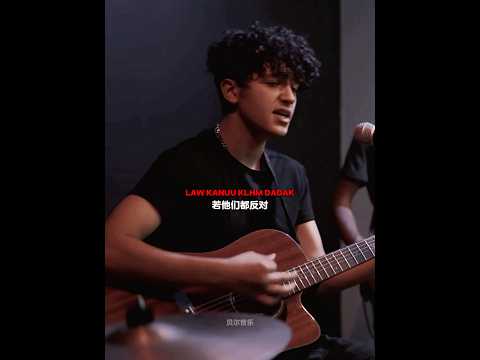
Jordanian pop is the contemporary popular music of Jordan and the Jordanian diaspora, sung largely in colloquial Jordanian (Levantine) Arabic and shaped by the country’s urban centers, especially Amman. It blends the melodic vocabulary of the Arabic maqam system and Levantine dance rhythms with modern pop songwriting and production.

Stylistically, Jordanian pop sits at the intersection of pan‑Arab mainstream pop and the indie/alternative scene that blossomed in Amman in the 2000s–2010s. Typical tracks mix acoustic timbres (oud, qanun, violin) and dabke‑derived percussion with keyboards, guitars, and contemporary beat programming. Vocals favor expressive ornamentation and melisma, while arrangements range from radio‑friendly ballads to upbeat dance‑pop and pop‑rock crossovers.

Sources: Spotify, Wikipedia, Discogs, RYM, MB, user feedback and other online sources

History

Early foundations (1990s)

Jordan’s cassette and satellite‑TV era seeded a local pop identity in the 1990s. Artists drawing on Bedouin and Levantine song forms began adapting pan‑Arab pop formulas, setting the stage for a distinct Jordanian voice.

Breakout and professionalization (2000s)

The early 2000s brought a surge of visibility via regional talent shows (e.g., pan‑Arab pop competitions), local labels, and an expanding festival circuit. Higher‑fidelity production, professional video clips, and increased radio/TV rotation helped standardize a Jordanian pop sound rooted in Levantine melody, sentimental balladry, and dance‑pop.

Amman’s indie adjacency (2010s)

A vibrant Amman indie/alt scene cross‑pollinated with mainstream pop. Bands and singer‑songwriters introduced pop‑rock textures, acoustic confessional writing, and live band aesthetics into Jordanian pop. Simultaneously, digital platforms (YouTube/streaming) enabled direct fan engagement, niche audience building, and regional collaborations spanning the Levant.

Digital fusion and global reach (2020s)

Jordanian pop increasingly integrates hip‑hop/trap cadences, electronic production, and global pop tropes while retaining Levantine phrasing and rhythmic cells (e.g., maqsum, malfuf). Cross‑border collabs with Palestinian, Lebanese, Egyptian, and Gulf artists are common, and diaspora creators amplify the genre’s international footprint through streaming and social media.


How to make a track in this genre

Tonal palette and melody
•   Base melodies on Arabic maqamat common to the Levant (e.g., Bayati, Hijaz, Kurd, Nahawand). Use short melodic cells that resolve to a strong tonic and allow for tasteful melisma. •   Vocal delivery should be expressive and ornamented but concise enough for pop hooks; alternate between an intimate verse register and a soaring, sustained chorus.
Rhythm and groove
•   Start with Levantine patterns (maqsum 4/4, malfuf 2/4, and dabke‑inflected accents). For dance‑pop, layer four‑on‑the‑floor or modern pop/EDM backbeats; for ballads, use spacious percussion or light frame‑drum textures. •   Typical tempos: 85–105 BPM for mid‑tempo pop, 115–125 BPM for dance‑pop; modern trap‑leaning cuts may sit effectively around 70–75/140–150 BPM (half‑time feel).
Instrumentation and production
•   Blend acoustic and electronic: oud/violin/qanun for color; guitars/keys for harmony and pads; programmed drums with hand‑percussion (riqq, darbuka) for hybrid grooves. •   Keep arrangements hook‑centric: clear intro motif, verse–pre–chorus–chorus form, an instrumental break or bridge, and a final chorus with extra backing vocals or countermelodies. •   Mix vocals forward with warm saturation and plate/room reverbs; sidechain pads to the kick for modern polish; layer claps/shakers to energize choruses.
Lyrics and themes
•   Write in colloquial Jordanian/Levantine Arabic. Themes commonly revolve around love, longing, everyday urban life, friendship, and place‑based pride. •   Prioritize memorable refrains and concise storytelling; call‑and‑response lines work well in choruses and live settings.
Performance and arrangement tips
•   Use dynamic builds: sparse first verse, thicker pre‑chorus, and a wide, stacked chorus. Add a short instrumental interlude (e.g., violin or oud riff) as a cultural signature. •   For live sets, reinforce rhythm with dabke‑friendly breakdowns and endings that invite audience clapping and sing‑along.

Top tracks

Locked
Share your favorite track to unlock other users’ top tracks

Upcoming concerts

in this genre
Influenced by
Has influenced
No genres found

Download our mobile app

Get the Melodigging app and start digging for new genres on the go
© 2026 Melodigging
Melodding was created as a tribute to Every Noise at Once, which inspired us to help curious minds keep digging into music's ever-evolving genres.
Buy me a coffee for Melodigging