Your digging level

For this genre
0/8
🏆
Sign in, then listen to this genre to level up

Description

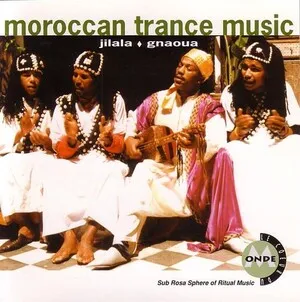
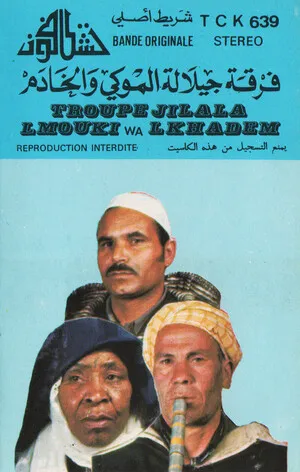
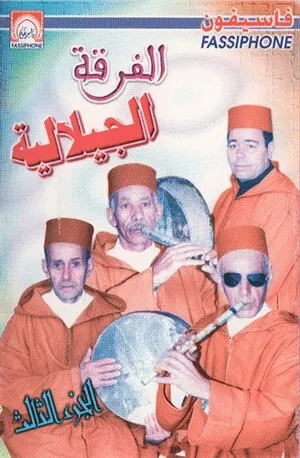
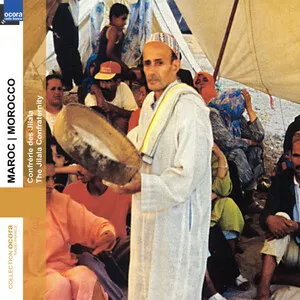
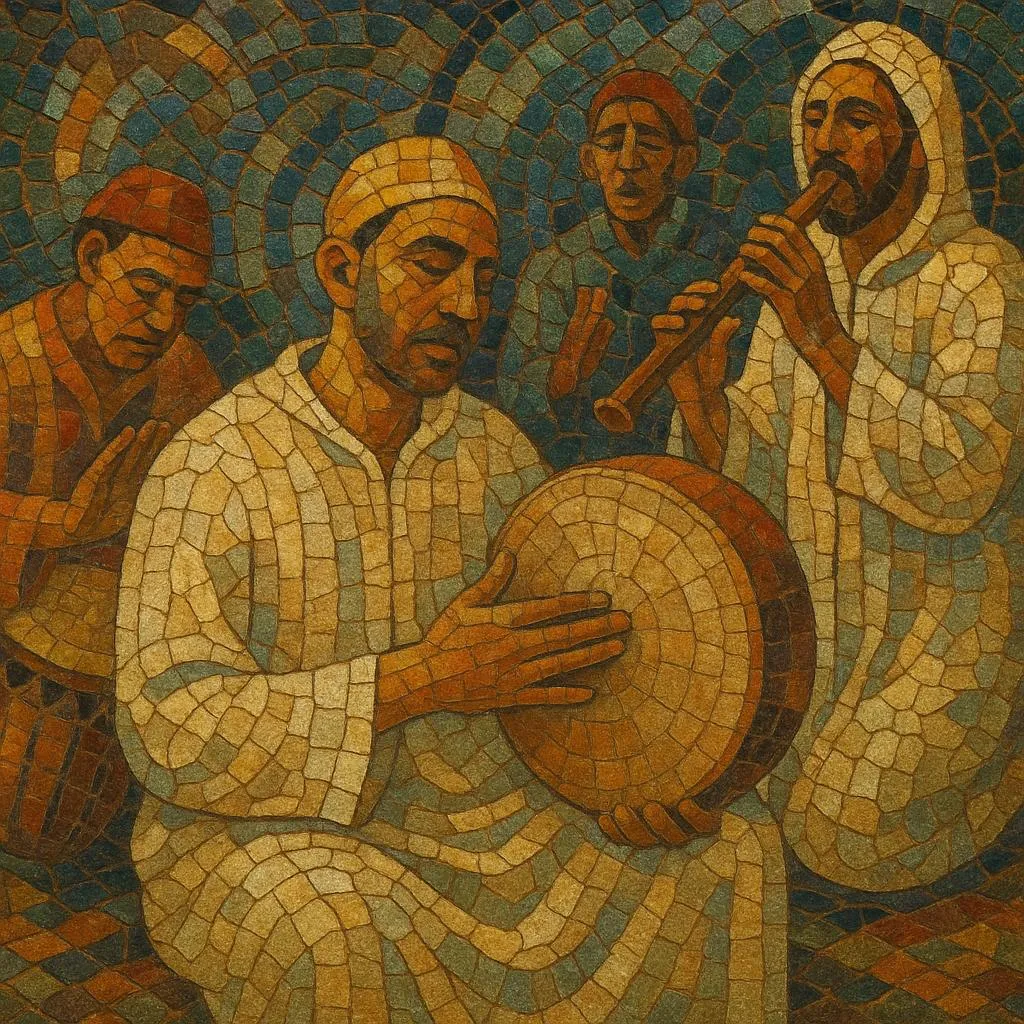
Jilala music is the ritual music associated with the Moroccan Jilala (also spelled Jilali) Sufi order.

It is most widely heard in healing and spirit-possession (trance) ceremonies, where repetitive rhythms and cyclical melodic phrases are used to induce altered states.

Performances are typically communal and functional rather than concert-oriented, emphasizing continuity, invocation, and gradual intensification.

The style is closely tied to devotional practice: lyrics often invoke saints (notably Abd al-Qadir al-Jilani), spiritual lineages, and the seeking of protection and healing.


Sources: Spotify, Wikipedia, Discogs, Rate Your Music, MusicBrainz, and other online sources

History

Roots and religious context

Jilala music grew from Moroccan Sufi devotional practice, where sung invocations and drumming accompany communal rites.

It is linked to the Jilala/Jilali brotherhood, whose ceremonies are known for trance-based healing and spiritual intercession.

Ritual practice and social function

Across the 1900s, the music continued primarily as a lived, community-based practice rather than a commercial genre.

Its role in healing rites reinforced stable musical structures: steady ostinati, call-and-response singing, and long-form repetition designed to sustain trance.

Contemporary presence

In recent decades, Jilala repertoires and aesthetics have occasionally appeared on festival stages and in recordings as part of broader interest in Moroccan ritual musics.

Even when presented publicly, the music remains strongly identified with its ceremonial purpose and the spiritual authority of the order.

How to make a track in this genre

Instrumentation
•   Build around hand percussion (frame drums and other common Moroccan ceremonial drums) to create a stable, hypnotic pulse. •   Use a strong lead voice with a supporting chorus to emphasize communal call-and-response. •   Keep timbre raw and present; the sound should feel functional and grounded rather than polished.
Rhythm and form
•   Write in long cycles built from short repeating patterns (ostinati). •   Start at a moderate tempo and plan a gradual intensification: slightly faster tempo, denser drum strokes, and more insistent vocal refrains over time. •   Favor continuous flow over verse/chorus “song” structure; think in sections that serve ritual progression.
Melody and harmony
•   Use narrow-range melodic cells that repeat, with small variations introduced slowly. •   Avoid complex chord progressions; if any harmonic support is present, keep it drone-like and static to support trance.
Vocals and lyrics
•   Use invocatory, devotional text: praise, supplication, saintly names, and healing-oriented refrains. •   Structure vocals as leader-chorus exchanges, with the chorus repeating a short line while the leader ornaments or extends phrases.
Performance approach (trance/healing focus)
•   Prioritize consistency, stamina, and gradual build rather than dramatic musical “events.” •   Maintain a clear pulse that listeners can lock onto; trance effect comes from time, repetition, and controlled escalation. •   Leave space for responsive dynamics: the ensemble should be able to intensify or relax depending on the ceremony’s needs.

Top tracks

Locked
Share your favorite track to unlock other users’ top tracks
Influenced by
No genres found
Has influenced
No genres found
Challenges
Digger Battle
Let's see who can find the best track in this genre
© 2026 Melodigging
Melodding was created as a tribute to Every Noise at Once, which inspired us to help curious minds keep digging into music's ever-evolving genres.
Buy me a coffee for Melodigging