

Description
Isolationism, also called isolationist ambient, is a dark ambient subgenre associated with fractured, subdued and unsettling sound. Rather than using ambience to create comfort, it can make the listener feel at a distance from the music.
Its boundaries are broad: music associated with the label ranges from ambient and avant-garde approaches to more abrasive sounds. This tension between restraint and aggression helps distinguish it from an exclusively soothing idea of ambient music.

isolationism - что за жанр? #ambient #lofi #эмбиент #music #музыка
UnSeven
History
A name for a sound
Isolationism was prominent in the 1990s. British musician Kevin Martin coined the term, which appeared in print in 1993. He used it for subdued, fractured music that seemed to repel rather than reassure its audience.
Compilation and influences
In 1994, Martin curated the compilation Isolationism, bringing together examples of the style. John Everall traced its background to early industrial groups, krautrock, ambient music and experimental composers. James Plotkin also identified Brian Eno’s ambient work and American experimental bands such as Illusion of Safety as influences.
A contested label
Plotkin questioned what the term meant, given the range of music it covered, and regarded the compilation’s label as a marketing angle. He nevertheless credited Martin with bringing otherwise overlooked music to a much wider audience.
Shape the atmosphere
Start with a subdued sound world, but avoid making it purely comforting. Build a sense of distance through sparse layers, interrupted gestures and sounds that seem to recede or resist easy resolution. Let the arrangement feel fractured rather than continuously smooth.
Work with texture and contrast
You could use a sustained ambient layer as a foundation, then introduce rougher or more abrasive textures against it. Draw on experimental and industrial approaches by treating noise, resonance and unusual timbres as compositional material. Keep the elements distinct enough that the contrast between restraint and aggression remains audible.
Arrange for space
As a practical ambient approach, allow sounds to develop and decay without filling every gap. Try removing an established layer abruptly or leaving a gesture incomplete, then listen for whether the resulting space creates tension rather than relaxation.






Best playlists
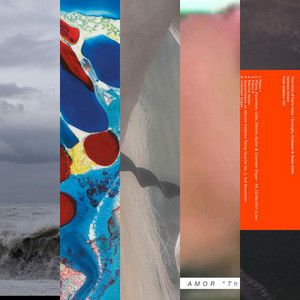
The Sound of New Isolationism
Every Noise at Once
New Isolationism
NICOLAS UBILAZ
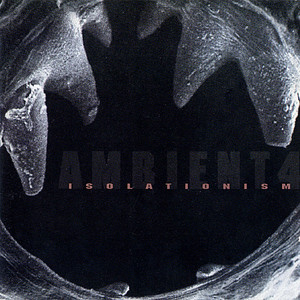
Ambient 4: Isolationism
Lewki
favs - new isolationism
RUE

Various – Ambient 4: Isolationism 1994 [Compilation]
Ir Zoff

