


Your digging level
For this genre
0/8
🏆
Sign in, then listen to this genre to level up
Description
Irish rap, also called Irish hip-hop, is a national scene rather than a single, uniform sound. It encompasses alternative rap, trap, grime and drill, as well as rap in Irish. Artists rap in English and Irish, sometimes mixing the two languages.
The scene draws on different branches of hip-hop: Irish grime and drill have strong links to UK rap, while alternative rap and other Irish hip-hop have drawn more from the United States. Early Irish hip-hop combined political concerns with elements of traditional music and dancehall. Irish-language rap has also used reggae and dancehall influences, often alongside political lyrics.
Alternative rap has been the scene’s most commercially successful current, while Irish grime and drill and Irish-language rap have served more niche audiences. Critics of KNEECAP object to references to drugs and violence in the trio’s lyrics; others praise the group’s contribution to the visibility of the Irish language and culture.
History
Early scene
Irish hip-hop emerged in the early 1990s, drawing on the hip-hop movement that began in New York in the 1970s. Its early political outlook was shaped by tensions surrounding the Troubles, and its music brought together traditional music and rudeboy dancehall. Irish-language rap can also be traced to the 1990s, including work by ScaryÉire and Marxman.
Alternative rap and wider audiences
Alternative rap became the most commercially successful current within Irish rap. Rejjie Snow, an alternative rapper from Dublin, released the album Dear Annie in 2018. Other artists associated with the current include Denise Chaila, Versatile, Hare Squead and Malaki.
Drill, grime and Irish-language rap
During the 2010s, Irish grime and drill developed under the influence of their UK counterparts. The Drogheda group A92 and its member Offica became examples of this current; their track “Plugged in Freestyle” reached the Irish and UK charts.
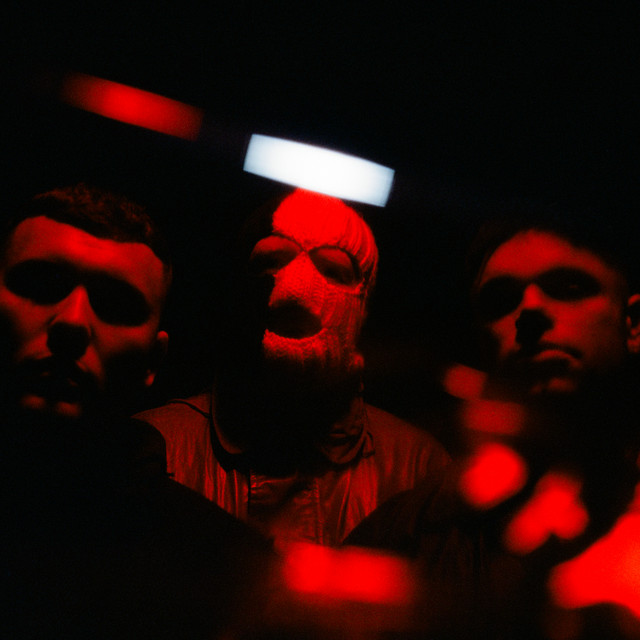
The Belfast trio KNEECAP helped bring greater attention to rap in Irish, mixing Irish and English and addressing nationalist politics. The group has attracted both criticism for references to drugs and violence and praise for its engagement with the Irish language.
Choose a current
Start by deciding which part of the scene inspires the track rather than looking for one prescribed Irish rap sound. An alternative rap approach can blur genres, while a grime or drill approach can draw on the UK styles associated with those currents in Ireland. Drill can be built around a prominent, deep bass and a beat related to trap.
Develop the voice and subject
Write and perform in Irish, English or a mixture of the two. Political writing has a place in the scene’s history, particularly in Irish-language rap, but it is one possible direction rather than a requirement. Give the delivery a clear rhythmic relationship to the beat, and vary phrasing or vocal tone to distinguish verses.
Build the production
For an approach recalling early Irish hip-hop, you could experiment with traditional-music elements alongside dancehall-influenced rhythms. Reggae and dancehall are also starting points for some Irish-language rap. As a general rap-production approach, begin with a drum pattern and bass part, then add a melodic sample, instrumental phrase or electronic texture; leave enough space for the voice to remain intelligible.
Best playlists
Users’ favorites
Tracks
Share your favorite track to see the other users’ ones
Artists
Share your favorite artist to see the other users’ ones
Albums
Share your favorite album to see the other users’ ones
Upcoming concerts
in this genre
Influenced by


Has influenced
No genres found
