Your digging level
Description
Inuit pop is contemporary popular music created by Inuit artists—primarily in Canada’s Arctic regions (Nunavut, Nunavik, Nunatsiavut) and parts of the broader circumpolar North—that blends global pop and rock idioms with Inuit languages (especially Inuktitut) and aesthetics.
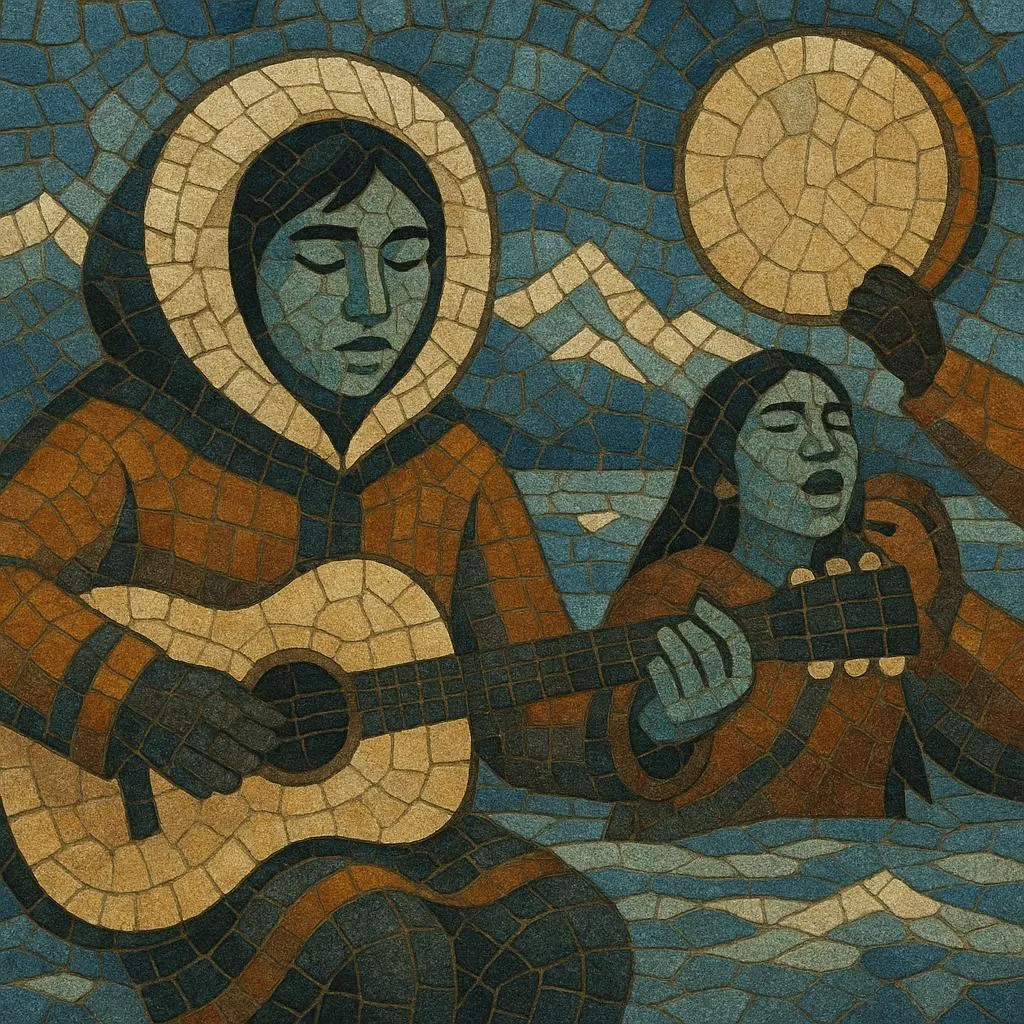
Hallmarks include bilingual or fully Inuktitut lyrics, verse–chorus song forms, and ear-catching melodies set against arrangements that range from acoustic singer‑songwriter textures to indie rock, country-tinged pop, and sleek electropop. Many artists weave traditional elements—such as frame drum (qilaut) patterns or katajjaq (Inuit throat singing)—into modern production, creating a distinctive rhythmic and timbral signature. Themes often center on family, land, language revitalization, resilience, and community healing, with an emphasis on positive representation and cultural pride.
While its sonic palette is diverse, Inuit pop is unified by a strong sense of place: expansive reverbs, spacious mixes, and modal or pentatonic-leaning melodies frequently evoke Arctic landscapes. The result is music that is at once locally rooted and globally accessible.


![Documentaire chanteuse pop inuit | KELLY FRASER : L'ÉTOILE POLAIRE [BA]](https://i.ytimg.com/vi/-vSRFLI_ttU/hqdefault.jpg)
History
Radio networks serving the North (including CBC Northern Service) and community stations helped circulate both traditional Inuit songs and southern Canadian/US pop and rock in the mid-to-late 20th century. By the late 1970s and 1980s, Inuit artists began recording original material in Inuktitut that adopted mainstream song structures, guitars, bass, and drums—laying the groundwork for a recognizable Inuit pop/rock idiom. Bands like Northern Haze demonstrated that Inuktitut-language rock could thrive on its own terms.
The 1990s brought increased national attention as Inuit singer‑songwriters reached broader Canadian audiences. The success of artists performing in both Inuktitut and English normalized Indigenous-language pop on commercial airwaves. The decade also deepened the blend of folk, pop, and country stylings with Arctic narratives and imagery, solidifying the genre’s identity beyond a regional niche.
A new generation embraced indie pop and electropop production while keeping lyrics rooted in Inuktitut and community experience. The formation of Inuit‑led labels and collectives (notably in Iqaluit) professionalized infrastructure, enabled local A&R, and fostered touring circuits across the North and the rest of Canada. Social media and streaming amplified visibility, making Inuktitut pop accessible to global listeners. Collaborations with throat singers and the use of frame drums within pop arrangements became signature gestures.
Contemporary Inuit pop spans acoustic ballads, indie-rock anthems, and synth‑driven tracks. Artists foreground language revitalization and mental‑health advocacy, often addressing colonial histories and climate realities while celebrating community joy and survivance. International festival bookings and award recognition underscore Inuit pop’s cultural and artistic significance, as the genre continues to inspire Indigenous contemporary music across North America.