Description
Igbo highlife combines highlife with Igbo traditional music. Guitar is central to its sound, joined by horns and rhythmic vocal parts. Lyrics are predominantly in Igbo, sometimes incorporating Pidgin English.
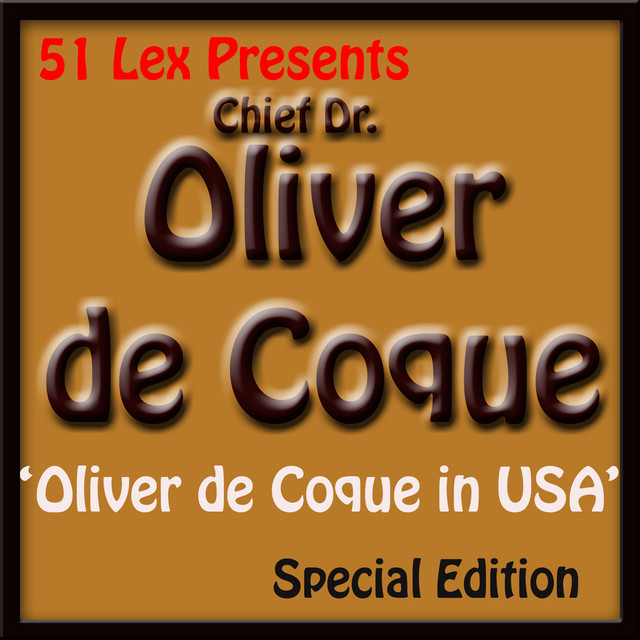
The style leaves room for different interpretations of its foundations: Oliver De Coque, for example, brought Igbo sounds into his guitar playing, while later performers incorporated influences from beyond West African music.
History
Foundations
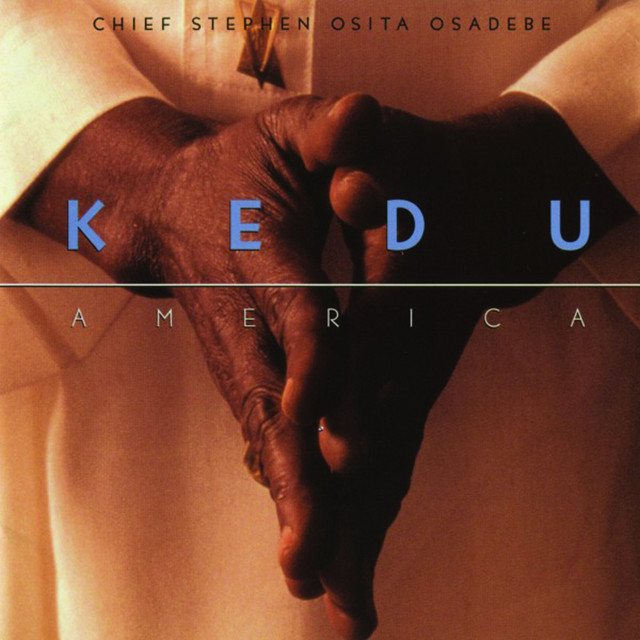
Igbo highlife developed from the meeting of highlife and Igbo traditional music. Among its influential performers was Chief Stephen Osita Osadebe, whose career lasted more than four decades. His 1984 hit “Osondi Owendi” brought him international attention. Singer and guitarist Oliver De Coque also helped popularize the style through his interpretation of Igbo sounds on the guitar.
Renewed styles
From 2004 onward, performers including Flavour N'abania and J. Martins found success with varied approaches that drew on influences outside West Africa. Flavour N'abania’s 2010 album Uplifted presented a more urban mixture that included hip hop, R&B, techno, reggae, dancehall and calypso.
As the music reached a wider audience, some MCs incorporated local highlife sounds into indigenous rap, with rappers contributing verses to highlife songs and Igbo vocalists appearing on rap choruses.
Build around the guitar
Start with a guitar part that can carry the track’s identity. Develop a repeating figure with a clear rhythmic shape, then vary it between vocal phrases. You could add a contrasting guitar line to answer the lead without obscuring it.
Add voices and horns
Give the vocal delivery a strong rhythmic role rather than treating it only as a melody over the accompaniment. Igbo highlife lyrics are mostly in Igbo and may also include Pidgin English. Arrange horn phrases to complement or answer the voice and guitar.
Shape the groove and arrangement
A common approach in highlife is to build a danceable groove from interlocking parts. You could introduce the instruments gradually, alternate sung passages with instrumental responses, and leave space for the guitar to lead. For a more contemporary direction, consider blending the highlife foundation with elements of hip hop, R&B, reggae or dancehall, as later performers have done.

Highlife version into solfa notation #igbohighlife #highlife #piano #pianotutorial #ariaria #solfa
Musingsby_Josh

Nigerian igbo Highlife groove on Piano (Keyboard) - Highlife keyboard progression
Piano Africa