Your digging level
Description
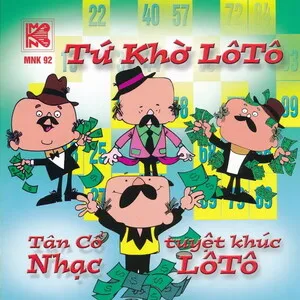
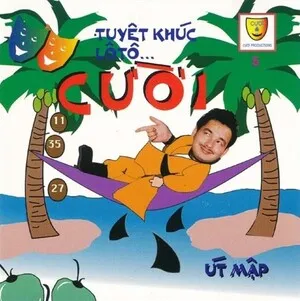
Hát lô tô is a Vietnamese performance style centered on short, catchy songs used within the lô tô game to announce and reveal the drawn numbers.
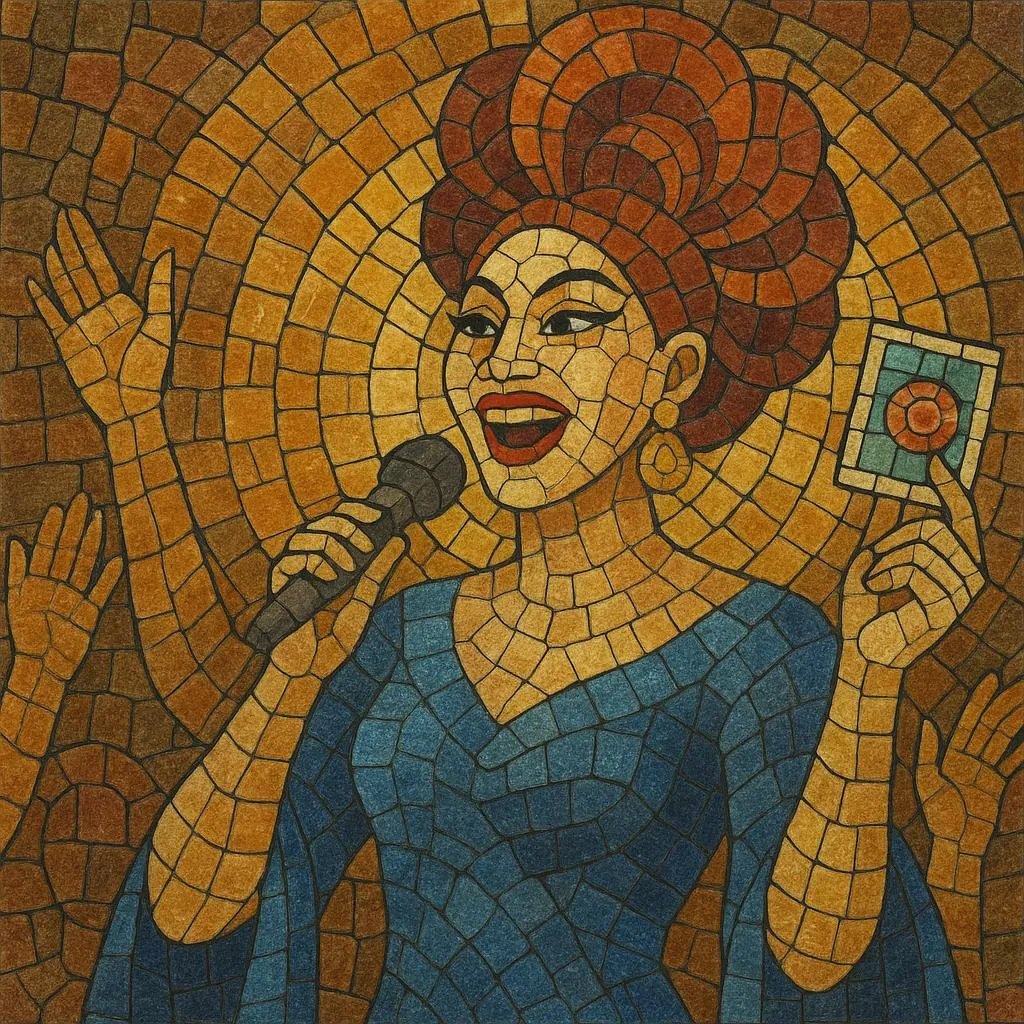
It blends humorous wordplay, quick vocal hooks, and interactive crowd banter, often delivered by a singer/MC who improvises around the number being called.
The music typically borrows familiar Vietnamese popular melodies and theatrical delivery so audiences can instantly follow along, laugh, and respond while the game progresses.
History
Hát lô tô developed alongside traveling entertainment and fairground culture in Vietnam, where lô tô games were hosted as part of festive public events.
As the numbers were drawn, performers began singing short verses—often adapted from familiar tunes—to make the reveal entertaining and memorable.
As mobile shows and regional fairs expanded, lô tô troupes standardized the role of the singer/MC: part caller, part comedian, part stage performer.
Repertoire grew by borrowing from contemporary Vietnamese popular songs and adding quick, topical punchlines tied to each number.
In the 2010s, renewed interest in lô tô stage shows and viral clips increased visibility for hát lô tô as a distinct, recognizable performance practice.
Modern shows often update arrangements with pop-oriented beats and clearer amplification while keeping the essential structure: a number-driven sung reveal with crowd interaction.
Write the piece around a specific drawn number or a short sequence of numbers.
Your lyric must clearly deliver the number (or a coded hint) and then resolve by stating it plainly so the audience can mark their card.
Use simple, instantly recognizable melodic shapes, often adapted from Vietnamese pop ballads or upbeat dance tunes.
Keep harmony straightforward (basic major/minor progressions) so the performer can pivot quickly between numbers without complex modulations.
Choose a steady, dance-friendly pulse that supports rapid announcements.
Common approaches are a light pop groove or simple march-like patterns that keep the game moving.
Traditional setups can be minimal (a small band or keyboard), but modern performances often use:
• Keyboard/synth for chord backing and sound effects • Drum kit or electronic drums for a clear pulse • Bass (electric or synth) to anchor the groove • Optional brass/lead synth stabs for comedic emphasisAmplification and clear vocal projection are crucial because the number reveal must be unmissable.
Use short verses (often 1–4 lines) with humor, puns, or topical references.
Structure:
-
•
Tease the number with imagery/wordplay.
•Deliver the number clearly.
•Add a quick tag line or audience call-and-response.
Improvisation is a feature: prepare multiple “templates” that can be quickly adjusted for any number.
The singer/MC should maintain fast transitions and constant audience engagement.
Use stage cues (gestures, vocal stingers, comedic timing) to highlight the exact moment the number is officially called.