Your digging level
Description
Grunneger muziek is popular and folk-oriented music performed in Gronings (Groningen Low Saxon), the regional language of the Dutch province of Groningen.
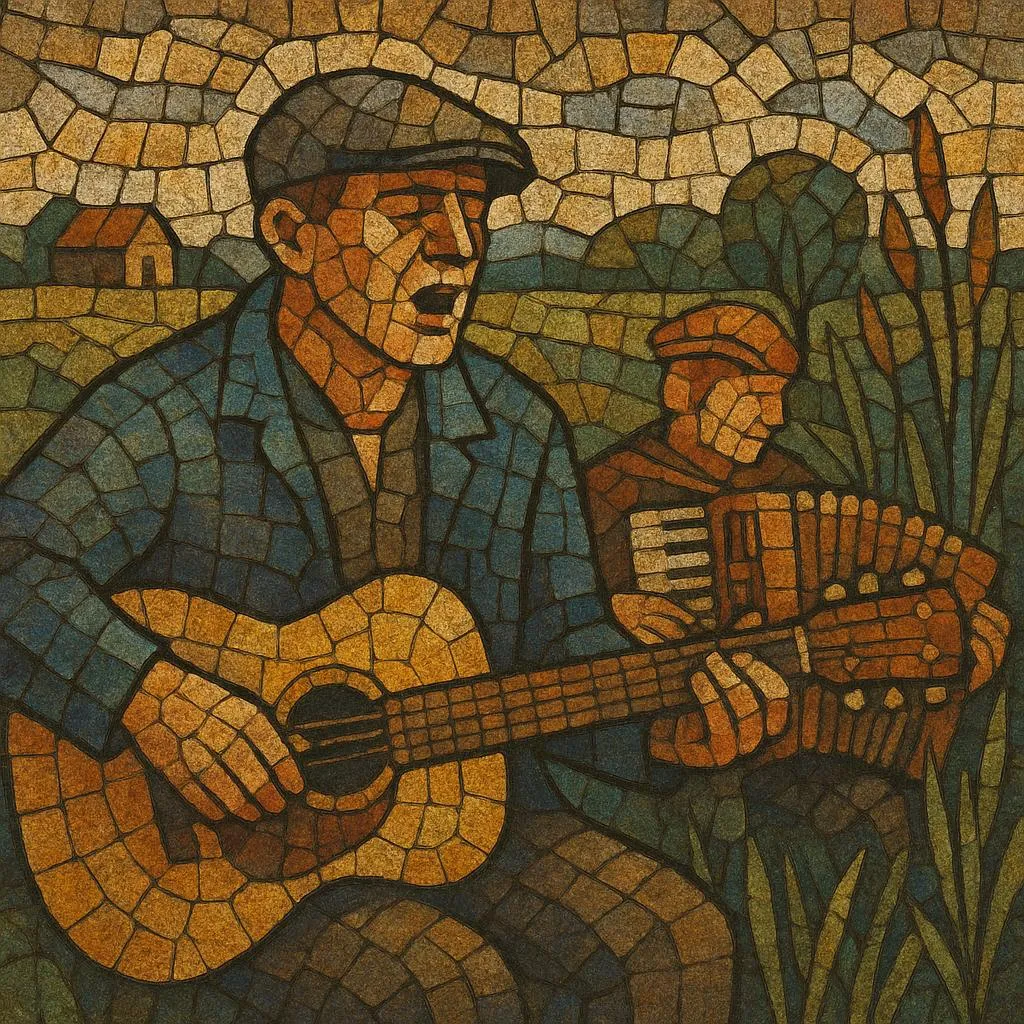
Stylistically it blends Dutch kleinkunst (cabaret-style singer‑songwriting), nederpop, folk, schlager, country, and light rock. Songs typically feature intimate storytelling about rural life, the Wadden coast, village communities, love, humor, and the bittersweet pride of the North.
Melodies are singable and diatonic, arrangements range from acoustic guitar and accordion to full pop bands, and the Gronings dialect gives the songs a distinctive timbre, phrasing, and word-music color.
History
Gronings dialect song has antecedents in 19th- and early 20th‑century local poetry and folk song traditions, where regional identity was celebrated in verse and community singing. These pieces established the idea that Gronings could be a lyrical medium, not only a spoken one.
From the 1970s, regional broadcasters, festivals, and cultural initiatives in the North of the Netherlands stimulated a broader appetite for music in local languages. Artists began to write contemporary folk and pop in Gronings, aligning the dialect with modern song forms while retaining folk sensibilities.
The 1980s saw the style cemented in the public ear through emotive singer‑songwriters who proved that Gronings could carry both wit and deep sentiment in radio‑friendly formats. Their success inspired a wave of dialect acts spanning cabaret, schlager‑pop, and country‑inflected ballads.
With increased regional media support and live circuits, the scene diversified: humorous duos, folk ensembles, and pop bands brought Gronings into schools, theaters, and festivals. Production values rose, and the repertoire expanded from waltzes and schlagers to soft rock and Americana‑tinged arrangements.
A new generation has blended indie‑pop textures, Americana, and subtle electronics with the dialect’s cadences. Streaming and social media widened audiences beyond the province, while local pride and cultural policy continue to nurture the language’s musical visibility.