Your digging level
Description
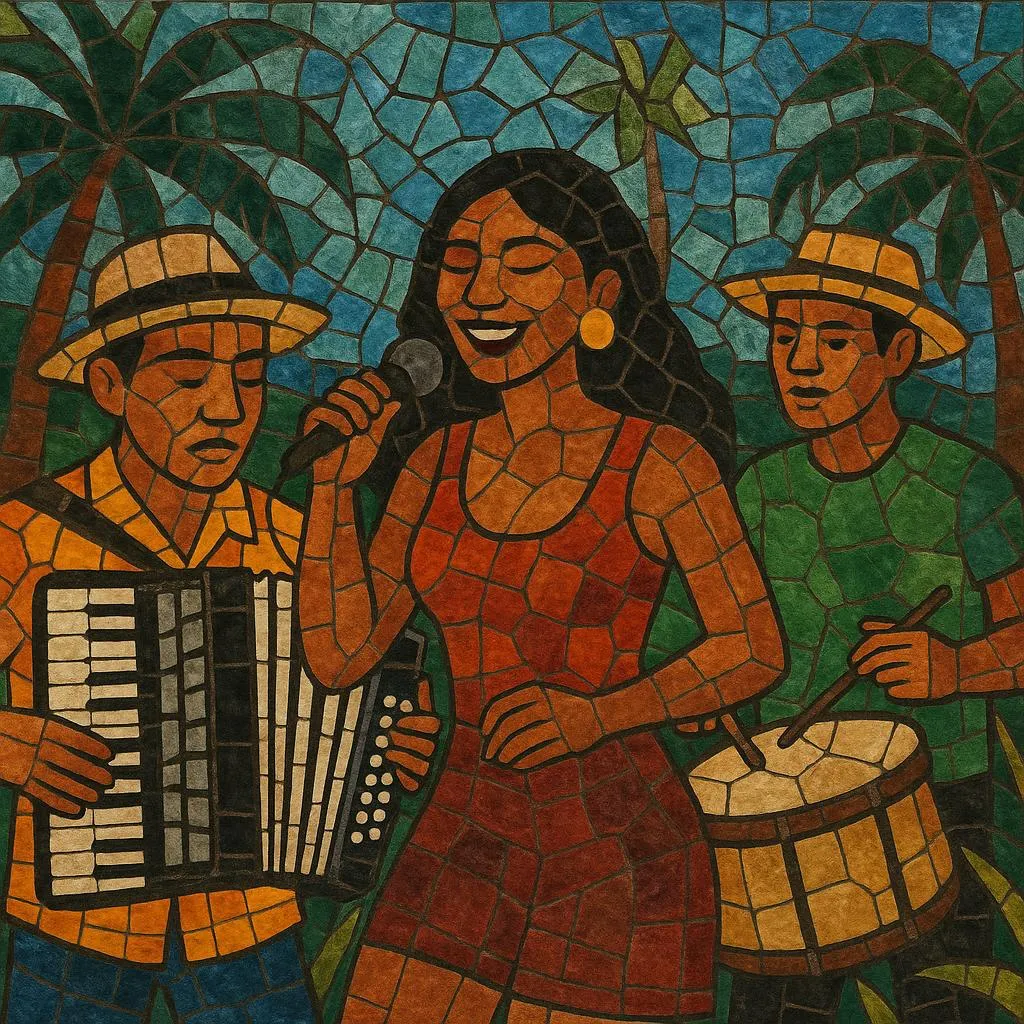
Forró Manauara is a regional scene-driven variant of forró that took shape in Manaus, the capital of Amazonas in northern Brazil. It keeps the dance‑floor focus and accordion‑led hooks of traditional forró while embracing the electrified band format popularized by forró eletrônico.
What distinguishes the Manauara approach is its blend with northern Brazilian pop sensibilities: bright keyboard timbres, punchy drum kits alongside zabumba, and a melodic style informed by local brega/tecnobrega and contemporary sertanejo. The result is festive, romantic and highly social music tailored to crowded "casas de forró," with call‑and‑response choruses, compact instrumental “solinhos,” and lyrics that balance love themes and party energy.
History
The groundwork for Forró Manauara was laid in the 1990s as forró eletrônico modernized traditional forró (baião, xote, arrasta‑pé) with drum kits, electric bass, and stage shows. In the 2000s, Manaus developed its own circuit of bands and dance venues, adapting that formula to local tastes and audiences in Amazonas.
Proximity to Pará and the broader North region brought a pop sheen from brega and tecnobrega into the Manauara sound: brighter synth leads, riff‑like accordion/keyboard lines, and concise, chantable refrains. At the same time, contemporary sertanejo and arrocha balladry fed the repertoire’s romantic side, while danceable xote and baião grooves kept the floor moving.
By the 2010s, the scene was defined by highly energetic live sets, “ao vivo” recordings, and strong social‑media circulation. Bands refined arrangements around crowd participation—breakdowns, claps, and call‑and‑response hooks—while production aesthetics emphasized tight low end (zabumba/kick), crisp triangle, and spotlighted accordion or synth “solinhos.” The style remains a vibrant, regionally distinct branch of Brazil’s forró ecosystem.