Your digging level
Description
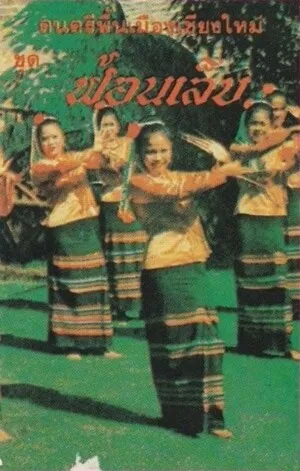
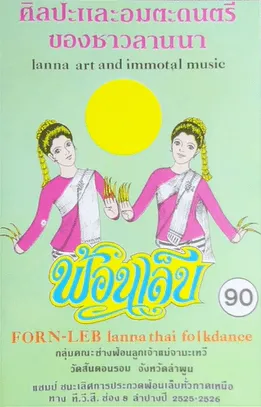
Fon leb ("fingernail dance") is a northern Thai (Lanna) court-derived dance-and-music tradition noted for its exquisitely slow, floating gestures and long, curved brass fingernails worn by the performers. The choreography emphasizes supple wrist rotations, hand blossoms, and synchronized body inclinations that render intricate patterns in space.
Performances typically feature a small piphat-derived ensemble—pi (oboe), ranat (xylophones), khong wong (gong circle), drums, and ching/cymbals—supporting a pair of lead female dancers who guide the ensemble’s ebb-and-flow. The music favors gentle cyclical rhythms, ornamented modal melodies, and shimmering timbres that highlight the dance’s elegant restraint.
Today fon leb is emblematic of Lanna cultural identity and is commonly seen at temple fairs, cultural festivals, and khantoke dinner shows, while remaining a staple of academic and professional Thai classical programs.
History
Fon leb emerged in the Lanna region (around Chiang Mai) in the late 19th to early 20th century as a courtly display dance. It is closely associated with cultural revival efforts led by Lanna elites (notably Princess Dara Rasmi), who promoted northern styles within a broader Siamese/Thai classical framework.
The musical accompaniment draws on the Thai piphat sound world—pi nai (quadruple‑reed oboe), ranat ek and ranat thum (xylophones), khong wong (gong circle), drums (klong), and the time-keeping ching. In fon leb, these instruments are arranged and played with a softened dynamic and moderated tempi, allowing dancers’ micro‑gestures and wrist articulations to remain the visual focus.
During the early to mid‑20th century, northern dance repertories—including fon leb—were codified for stage presentation, teacher training, and state cultural showcases. As tourism grew in the mid‑ to late‑20th century, fon leb became a signature of khantoke dinner performances and civic festivals, helping to consolidate its status as a symbol of Lanna identity.
Fon leb remains widely taught in northern Thai conservatories and cultural programs. Professional ensembles and university troupes perform it at local festivals, temple fairs, and national events. While choreographic details vary by lineage, the essential features—long brass fingernails, paired female leads, and a piphat-derived texture—have remained consistent.

Top albums
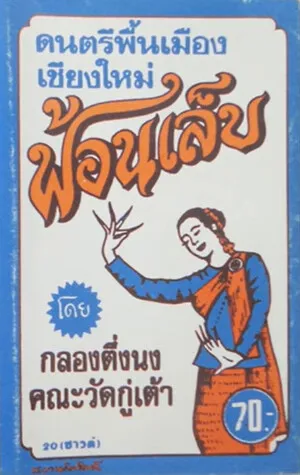
%2C%20Cover%20art.webp)
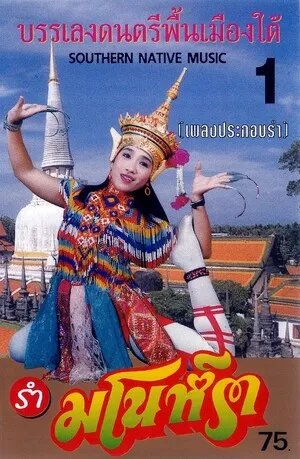%201%2C%20Cover%20art.webp)