Your digging level
Description
Finlandssvenska musik refers to music made in Swedish by the Swedish‑speaking minority of Finland (the Finland‑Swedes). It spans traditional coastal and archipelago folk songs and fiddling, the Nordic schlager/dansband current that flourished after World War II, and contemporary pop, rock, indie and hip hop.
Hallmarks include singable, strophic melodies; dance rhythms tied to polska, schottis, waltz and hambo; choral culture; and lyrics that foreground everyday life in the archipelago, Ostrobothnian plains and bilingual urban districts. The idiom sits at a cultural crossroads, absorbing Swedish “visa” traditions and schlager while exchanging repertoire, musicians and production practices with the broader Finnish scene.
History
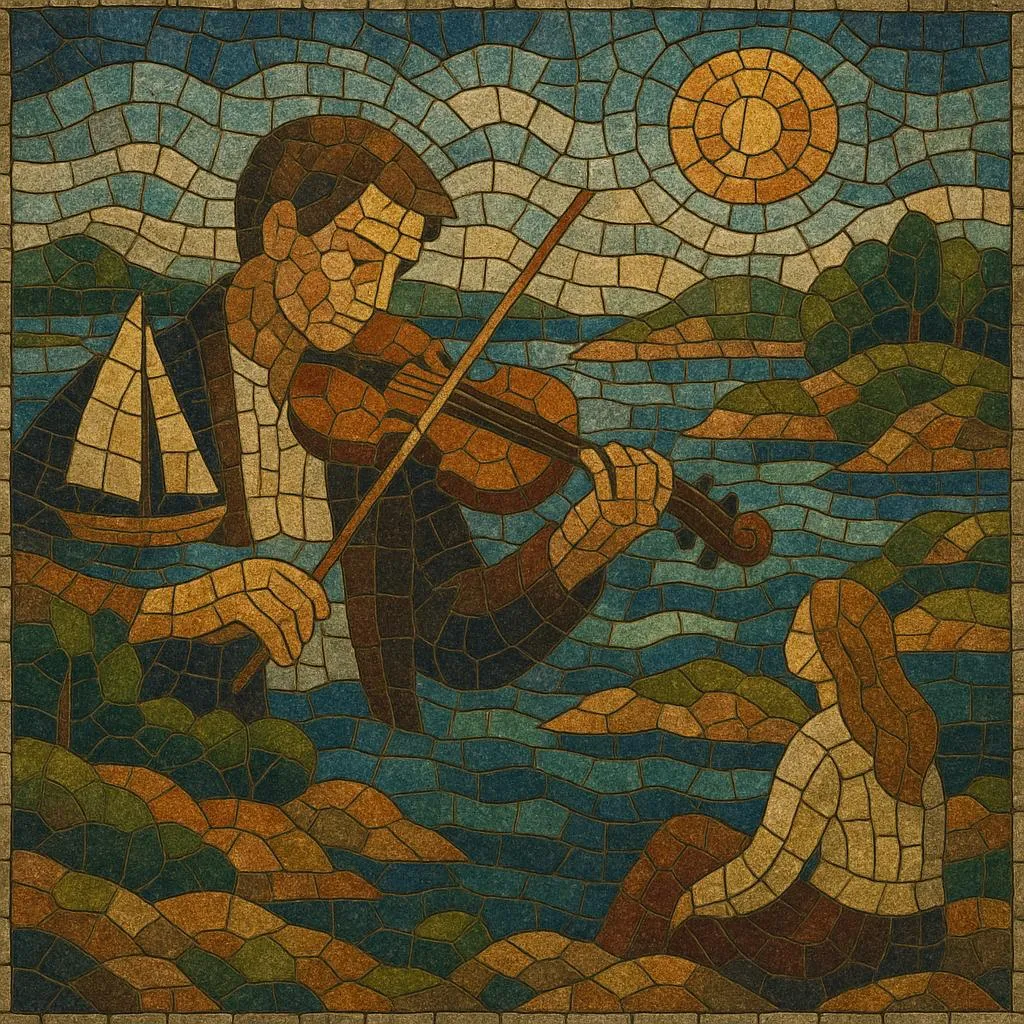
The Swedish language has been present in Finland for centuries, particularly along the south and west coasts and on Åland. In the 1800s, collectors, parish musicians and community choirs began documenting and formalizing coastal folk repertories—skärgårdsvisor (archipelago songs), ballads and dance tunes shaped by Swedish “visa” traditions and local fiddling (spelmansmusik). This era also saw strong choral organizations and a school‑music culture in Swedish that cemented song as a community practice.
Radio, gramophone and dancehall culture connected Finland‑Swedish audiences to both Stockholm and Helsinki. Schlager and early jazz‑influenced pop entered the repertoire, often performed bilingually. Finland‑Swedish stars such as Georg Malmstén and, later, Lasse Mårtenson bridged salon song, film, radio and light orchestral music, normalizing Swedish‑language pop alongside Finnish iskelmä.
After WWII, schlager/dansband aesthetics flourished in Swedish‑speaking regions (Ostrobothnia, Nyland/Uusimaa, Åboland/Turunmaa, and Åland). Local labels, dance pavilions and Swedish‑language media (including Yle’s Swedish services) sustained a circuit for Swedish‑language singles, choirs and school/folk ensembles. Finland‑Swedish artists routinely appeared in national contests and Nordic exchanges, keeping step with Scandinavian trends while foregrounding local identity.
The 1990s introduced hip hop, rock and indie pathways, joined by singer‑songwriter and choral revivals. The 2000s–2010s brought a visible wave of Finland‑Swedish pop and indie (e.g., Vasas Flora och Fauna) whose nostalgic, place‑specific storytelling resonated across the Nordics. Sweden–Finland mobility remained high, and producers, writers and session players moved easily between Helsinki, Vasa/Vaasa, Turku/Åbo and Stockholm, further braiding Finnish and Swedish mainstream sounds while keeping Swedish‑language lyrics at the core.
Finlandssvenska musik is less a single style than a language‑anchored ecosystem. Its distinctiveness rests on Swedish‑language songwriting flavored by regional dialects (e.g., Österbottniska) and themes—coastal landscapes, migration, humor and everyday bilingual life—set within Nordic folk, schlager and contemporary pop/rock idioms.