Your digging level
Description
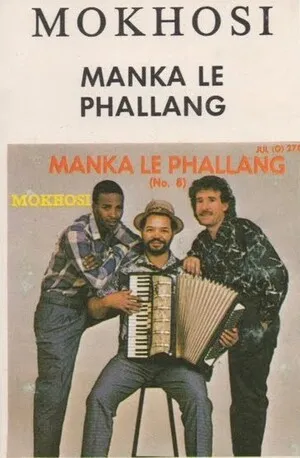
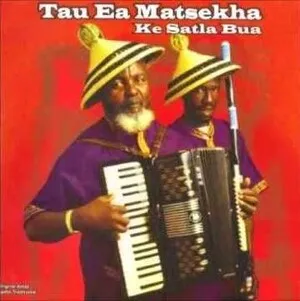
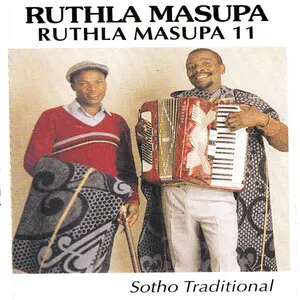
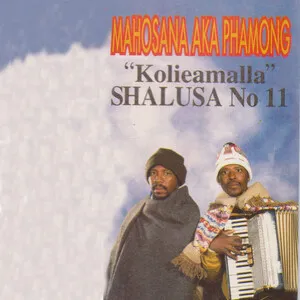
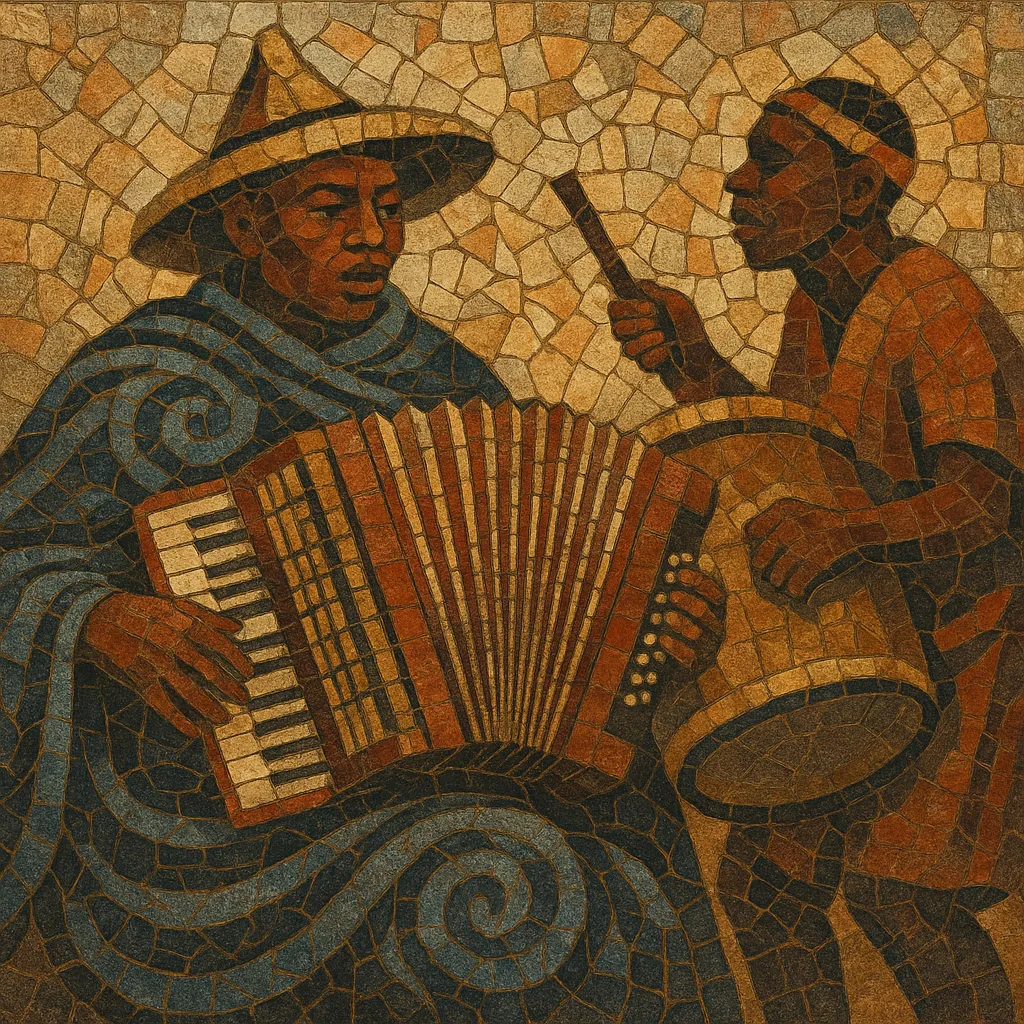
Famo is an accordion-driven dance and vocal music of the Basotho people of Lesotho. It pairs a bright, reedy accordion with a deep, resonant bass or barrel drum and highly declamatory Sesotho vocals that draw on praise-poetry (lifela/lithoko) traditions.
Born in migrant beerhalls and mining compounds, famo is both social music and a verbal art. Songs often feature competitive boasting, satire, social commentary, and vivid storytelling delivered in a rhythmic, semi-improvised style. The groove is typically fast and propulsive in 2/4 or 4/4, designed to keep dancers moving in swirling blankets and skirts—an image strongly associated with Basotho identity.
History
Famo emerged in the 1920s among Basotho migrant workers who traveled between Lesotho and South African mining centers. In beerhalls and informal dance venues, players adapted European-introduced free-reed instruments (especially the accordion) to Basotho rhythmic sensibilities and to the verbal tradition of praise-poetry. The result was a portable, loud, and danceable style that fit the social spaces of workers’ leisure time.
As movement between Lesotho and South African townships intensified, famo bands standardized the core lineup of accordion, bass/barrel drum, and voice. Local labels and radio exposure helped circulate the music across Lesotho and Basotho communities in neighboring regions. The music’s lyrical cutting contest—full of satire, boasting, and topical commentary—became a hallmark.
Affordable cassettes accelerated famo’s spread in rural and urban settings. Touring circuits formed across borderlands, and star vocalists and bandleaders emerged. While the style kept its raw, dance-focused energy, arrangements diversified and the lyrical scope broadened to include migration, love, hardship, and social critique.
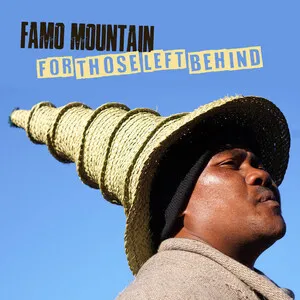
Younger artists have fused famo’s rhythmic backbone and poetic delivery with hip hop and other urban styles, bringing the sound to new audiences while maintaining its Sesotho identity. At the same time, heritage artists continue to record and perform classic famo, ensuring continuity of the dance-driven, accordion-and-drum sound that defines the genre.