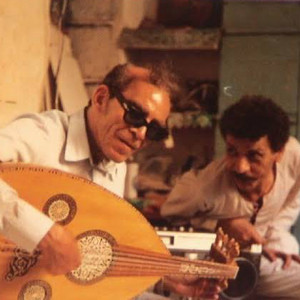
Description
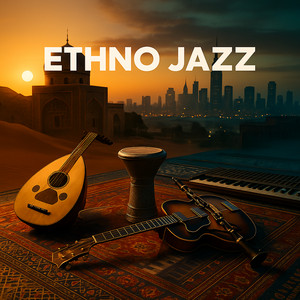
Ethno jazz, also known as world jazz, brings jazz into dialogue with musical traditions from outside the Western jazz canon. It is a broad family of approaches rather than a single sound: a piece might combine jazz improvisation with African-derived percussion, draw on Indian sounds and scales, or set a folk melody against a blues response.
Rhythm and instrumentation can be central to the fusion. Some Latin jazz uses congas, bongos and other percussion alongside jazz winds and rhythm-section instruments; other examples place improvisation over recurring percussion patterns rather than centering it on chord changes. The resulting music can range from rhythmically animated and dance-oriented to more relaxed and lyrical.
History
International exchange
Ethno jazz developed internationally during the 1950s and 1960s, although its broader history includes earlier exchanges between jazz and other traditions. Afro-Cuban jazz was one important example: musicians including Mario Bauzá and Machito helped bring Cuban music and jazz together. Bauzá also introduced Dizzy Gillespie to percussionists Chano Pozo and Chiquitico; their band performed an Afro-Cuban jazz concert at Carnegie Hall in 1946.
Distinctive approaches
John Coltrane is widely credited as a founder of ethno jazz. His music incorporated African, Middle Eastern and Indian elements; his 1961 recording “Dahomey Dance” is cited as an early example. In Bulgaria, Milcho Leviev combined jazz with Bulgarian folk music in early-1960s pieces including “Blues in 9.”
A broader label
Around 1990, ethno jazz acquired a more independent meaning as ethnic music gained commercial success through globalization. In Iran, Peter Soleimanipour received a musical permit in 1994 and subsequently performed with his band Atin, combining Iranian elements with jazz in original compositions. He described his own music as fusion rather than adopting the label of jazz artist.
Choose a musical meeting point
Start with a jazz approach and a particular musical tradition whose rhythms, melodic shapes or instrumental colors you want to explore. The combination need not follow one formula: the source material may shape the melody, the accompaniment or the way the solo develops.
Build the ensemble and groove
You could pair a jazz rhythm section and wind instruments with percussion such as congas or bongos. Establish a recurring percussion pattern and let the other parts create cross-rhythms around it. For a quieter direction, use a lighter accompaniment and give the melody more space.
Develop melody and improvisation
Try alternating a modal folk-inspired phrase with a blues-inflected answer. You could also improvise over a recurring percussion pattern rather than making chord changes the sole focus of the solo. As a general jazz approach, let the ensemble repeat and vary its material while the soloist responds to the rhythm and timbre of the instruments.