Your digging level

For this genre
0/8
🏆
Sign in, then listen to this genre to level up

Description

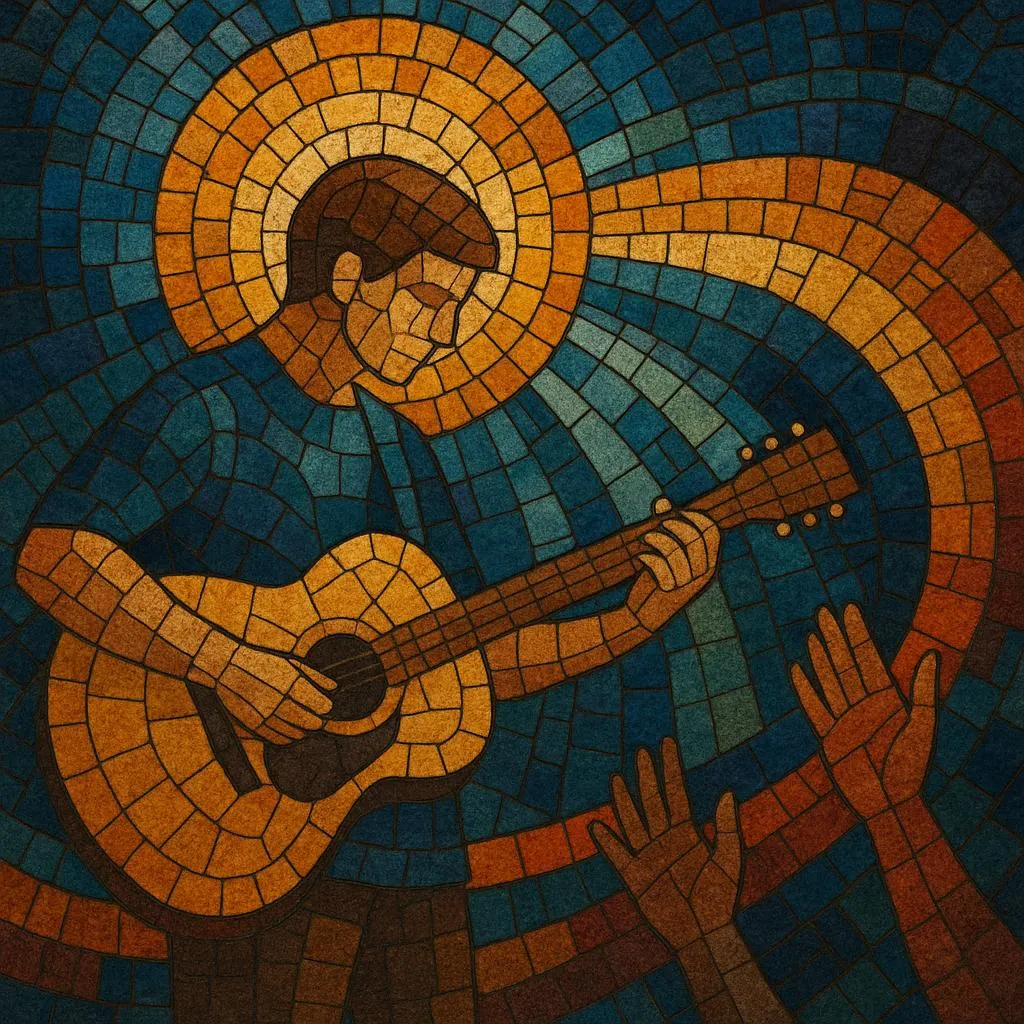
Dicsoites is the Hungarian-language stream of modern Christian praise and worship music ("dicsőítés" in Hungarian), written for congregational singing and contemporary Christian gatherings.

It blends international praise & worship songcraft with local melodic and linguistic sensibilities: simple, memorable melodies; Scripture- or prayer-based lyrics; and band-led arrangements that translate easily to church services, youth meetings, and large worship events.

Musically it draws on pop/soft-rock balladry and mid‑tempo anthems, often expanding to choral textures and orchestral pads for larger venues. Lyrically it centers on adoration, thanksgiving, testimony, and the Psalms—designed to be collectively sung in Hungarian by diverse denominations.


Sources: Spotify, Wikipedia, Discogs, RYM, MB, user feedback and other online sources

History

Post-communist roots (1990s)

After the political changes of the late 1980s and early 1990s, a wave of evangelical and charismatic renewal reached Hungary. Congregations began adopting internationally known praise & worship repertoires (Vineyard, Hillsong, etc.) alongside Hungarian‑written songs. Youth fellowships, Bible schools, and interdenominational prayer meetings helped establish a new song culture—dicsőítés—built for bands, projection lyrics, and participatory singing.

Consolidation and growth (2000s)

Through the 2000s, worship bands, regional conferences, and national gatherings catalyzed original Hungarian songwriting. Translations coexisted with homegrown catalogues, and recording quality improved as studios and volunteer engineers matured. Worship teams from Baptist, Pentecostal, Reformed, and Catholic communities contributed, while choirs and orchestral arrangements appeared for stadium-scale meetings.

Digital era and diversification (2010s–present)

YouTube lyric videos, streaming platforms, and social media accelerated dissemination of new songs and live recordings. Arranging aesthetics broadened—from intimate acoustic sets to synth‑pad, ambient pop worship and gospel‑influenced choir settings. Children’s and youth worship repertoires expanded, and ecumenical collaboration remained a hallmark. Today, dicsoites functions as a shared Hungarian worship songbook across denominations, continuously refreshed by new writers and translations.

How to make a track in this genre

Core songcraft
•   Aim for congregation-first writing: clear, singable melodies with a comfortable range (typically A–D above middle C for most voices). •   Use Scripture-inspired, theocentric lyrics (adoration, thanksgiving, confession, Psalms) with repetitive, memorable refrains. •   Favor 4/4 time; common tempos are 65–75 BPM (ballads) and 90–120 BPM (mid‑tempo anthems).
Harmony and form
•   Diatonic pop harmony is standard; try I–V–vi–IV or vi–IV–I–V progressions, with occasional IVmaj7 or Vsus for lift. •   Forms often follow Verse–Chorus–Verse–Chorus–Bridge–Chorus, allowing dynamic build and congregational familiarity.
Instrumentation and arranging
•   Typical band: lead vocal(s), acoustic guitar, electric guitar (clean/drive + swells), piano/keys (pads, piano, organ), electric bass, drums, and 2–4 backing vocals. •   For larger settings, add choir and light orchestration (strings, brass) or program soft synth pads for seamless transitions between songs. •   Use dynamic contours: start sparse (voice + pad/piano), add rhythm section for choruses, reserve full-band/choir peak for the bridge or final chorus.
Language and delivery
•   Write and sing in natural, contemporary Hungarian. Keep lines short enough to project and repeat, avoiding overly dense syllabic phrasing. •   Encourage call-and-response moments and space for spontaneous prayer/Scripture reading between sections.
Production tips
•   Prioritize intelligible lead vocals and congregational clarity; avoid over‑syncopation that complicates group singing. •   Layer ambient pads at -18 to -24 LUFS integrated to fill space without masking lyrics; ride cymbals and toms for lift rather than constant crash wash.
Leading and adoption
•   Provide chord charts, number-system charts, and lyric slides. Offer acoustic versions for small groups and full-band versions for services and events. •   Road‑test songs in home groups, then scale to Sunday services once the congregation responds and sings confidently.

Top tracks

Locked
Share your favorite track to unlock other users’ top tracks

Upcoming concerts

in this genre
Influenced by
Has influenced
No genres found

Download our mobile app

Get the Melodigging app and start digging for new genres on the go
© 2026 Melodigging
Melodding was created as a tribute to Every Noise at Once, which inspired us to help curious minds keep digging into music's ever-evolving genres.
Buy me a coffee for Melodigging