Your digging level

For this genre
0/8
🏆
Sign in, then listen to this genre to level up

Description

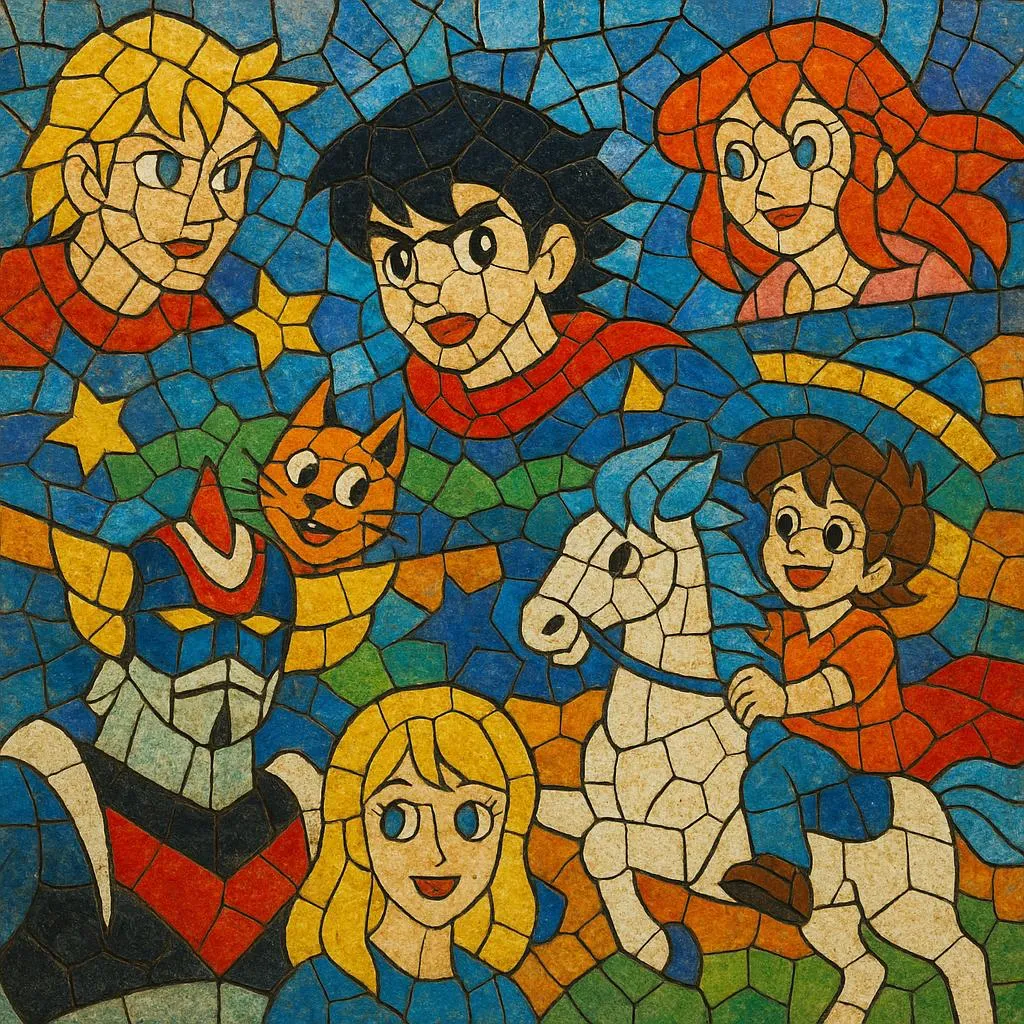
“Dessin animé” is a French pop-adjacent umbrella genre centered on TV cartoon and anime opening/ending themes as localized for French-speaking audiences.

It blends earworm pop melodies, punchy rock/synth arrangements, and narrative lyrics that introduce characters, powers, places, and moral stakes—often in just 60–90 seconds.

The style flourished with the rise of French television blocks for youth programming, where distinctively French vocals, bright hooks, and memorable leitmotifs turned show themes into standalone hits and cultural touchstones.


Sources: Spotify, Wikipedia, Discogs, Rate Your Music, MusicBrainz, and other online sources

History

Origins (1970s)

The genre emerges alongside the rapid growth of youth television in France. As imported animation (including Japanese series) and European productions gained slots on national networks, broadcasters commissioned French-language génériques (themes) with pop-rock orchestration and concise storytelling lyrics. These songs established the template: memorable hooks, a clear title refrain, and summarize-the-show verses.

Boom and Consolidation (1980s)

With dedicated youth programming blocks, the format explodes in popularity. Production teams standardize the sound—upbeat tempos, synth brasses, guitar stabs, and modulating codas—so themes work both as broadcast branding and retail singles. Performers and songwriting teams become household names, and theme songs start to chart, cementing “dessin animé” as a recognized pop subculture.

Diversification (1990s)

As programming widens to more action-oriented anime and international cartoons, the musical palette expands: heavier drums and guitar for action shows, softer ballad forms for adventure/coming-of-age series, and dance-pop for comedy titles. Music supervisors and composers refine tight broadcast edits (30/60/90-second cuts) and radio versions.

Nostalgia and Revival (2000s–Present)

Reissues, live nostalgia tours, and digital platforms revive the repertoire. Contemporary producers emulate the classic formula for new localized themes, and DJs sample iconic refrains. The style persists as a living niche—equal parts childhood memory, fan culture, and pop craftsmanship—while influencing children’s events and modern kids’ dance compilations.

How to make a track in this genre

Core Form
•   Length: Write a 60–90 second theme with a strong 10–15 second intro that can also serve as a sting. •   Structure: Intro → Verse (world/characters) → Big Chorus (title hook) → Short Bridge or Modulation → Tag.
Harmony & Melody
•   Keys: Bright major keys (C, D, E, G, A). Use IV–V–I and I–VI–IV–V pop progressions; add secondary dominants for lift. •   Hooks: A chorus that repeats the series title; aim for a simple, rising contour and a memorable rhythmic motif. •   Modulation: A half-step (or whole-step) lift for the final chorus is classic.
Rhythm & Tempo
•   Tempo: 110–140 BPM for adventure/action; 90–110 BPM for tender/adventure-ballad variants. •   Groove: Straight 4/4 with tight kick–snare backbeat; add handclaps or tom fills to underline hero moments.
Instrumentation & Sound
•   Foundation: Drum kit (or drum machine), electric bass, rhythm guitars, bright polysynths, and synth brass. •   Color: String pads for grandeur, chimes/bells for wonder, and occasional guitar leads for “hero” accent lines. •   Mix: Punchy radio balance with clear lead vocals and a spotlighted chorus stack; leave clean edit points for 30/60s cuts.
Lyrics & Delivery (French Localization)
•   Narrative: In the first verse, name the protagonist/team, goal, and central conflict; keep lines short and rhymed. •   Chorus: Feature the show title as the hook; include a slogan-like line that encapsulates the series’ spirit. •   Diction: Energetic, articulate French delivery suitable for kids and families; optional children’s choir doubles on the chorus.
Production Tips
•   Arrange early stings and buttoned endings for broadcast. •   Create an extended single mix (2–3 minutes) by adding a second verse or breakdown while preserving the broadcast hook density. •   Master bright with controlled low end so the theme translates on TV speakers and streaming.

Top tracks

Locked
Share your favorite track to unlock other users’ top tracks
Influenced by
Has influenced
Challenges
Digger Battle
Let's see who can find the best track in this genre

Download our mobile app

Get the Melodigging app and start digging for new genres on the go
© 2026 Melodigging
Melodding was created as a tribute to Every Noise at Once, which inspired us to help curious minds keep digging into music's ever-evolving genres.
Buy me a coffee for Melodigging