Your digging level
Description
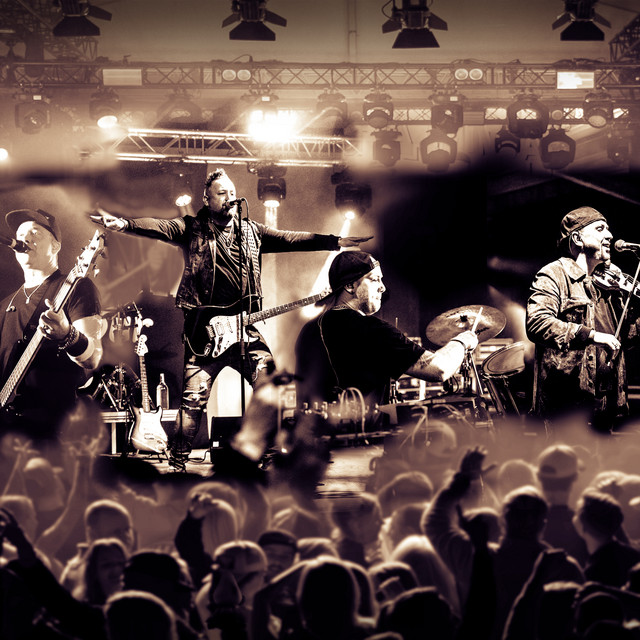
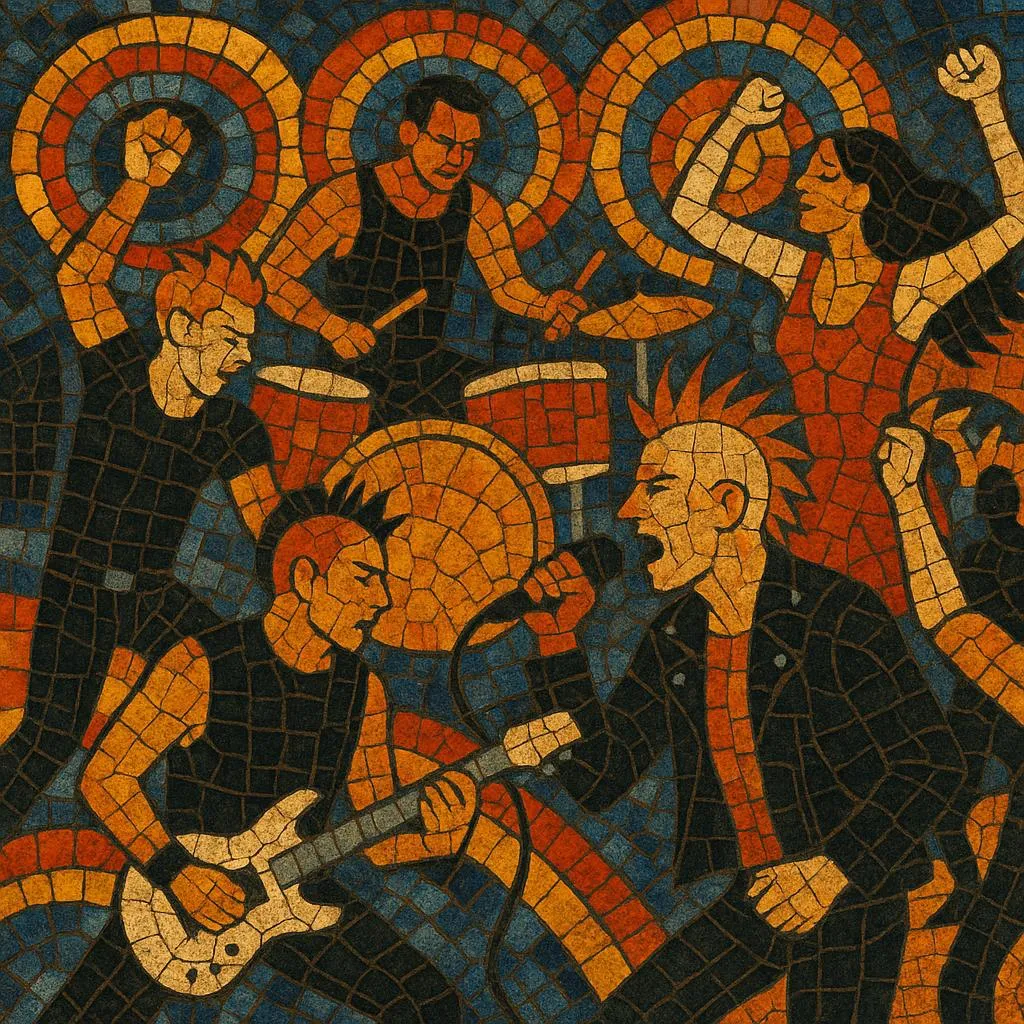
Danspunk is a Scandinavian party-punk hybrid that fuses the upbeat, danceable feel of Swedish/Nordic "dansband" and schlager with the speed, distortion, and shout-along energy of punk rock. It keeps the simple, major-key hooks and two-step dance grooves that fill folkparks and village dancehalls, but performs them with raw guitars, driving drums, and irreverent attitude.
Lyrics are typically in Swedish (and neighboring Nordic languages/dialects), with humorous, bawdy, or tongue‑in‑cheek takes on small‑town life, summer nights, raggar/greaser culture, beer, cars, and love gone wrong. Musically it leans on instantly memorable choruses, backbeat claps, and call‑and‑response gang vocals designed for communal singing on the dance floor.
The result is music that feels both nostalgic and rowdy: familiar schlager/dansband chord turns and foxtrot/bugg pulses, delivered at punk tempos with a wink and a grin.

History
Sweden’s dansband and schlager traditions dominated local dancehalls, folkparks, and radio with simple, romantic songs set to foxtrot- and bugg‑friendly rhythms. At the same time, the late‑1970s Nordic punk wave introduced faster tempos, DIY ethos, humor, and coarser, more direct vernacular lyrics. Rockabilly revivals and the raggar (greaser) scene added twang, car culture, and party aesthetics to the mix.
By the 1990s, local party bands and studio projects began deliberately splicing dansband/schlager chord progressions and dance meters with punk instrumentation and energy. The hybrid retained the sing‑along simplicity and danceable two‑step of dansband, but with distorted guitars, brisk drumming, and shout‑back choruses borrowed from trallpunk and garage‑punk. Humor and parody—long present in Nordic popular music—became central, with lyrics celebrating beer, village festivals, and small‑town romances.
CD reissues, download blogs, and later streaming platforms helped cluster these acts under a shared label—often tagged as “danspunk” by listeners. Regional dialects and cross‑border similarities meant the style popped up in Sweden first and then in neighboring Norway and Denmark, maintaining a live, communal identity at student parties, local festivals, and dance pavilions.
Danspunk persists as a rowdy, nostalgic party soundtrack: familiar schlager hooks delivered with punk bite. It continues to influence how Nordic pop‑punk and cover bands approach repertoire—speeding up dance‑band staples, adding overdriven guitars, and encouraging audience call‑and‑response.


Top albums