Your digging level
Description
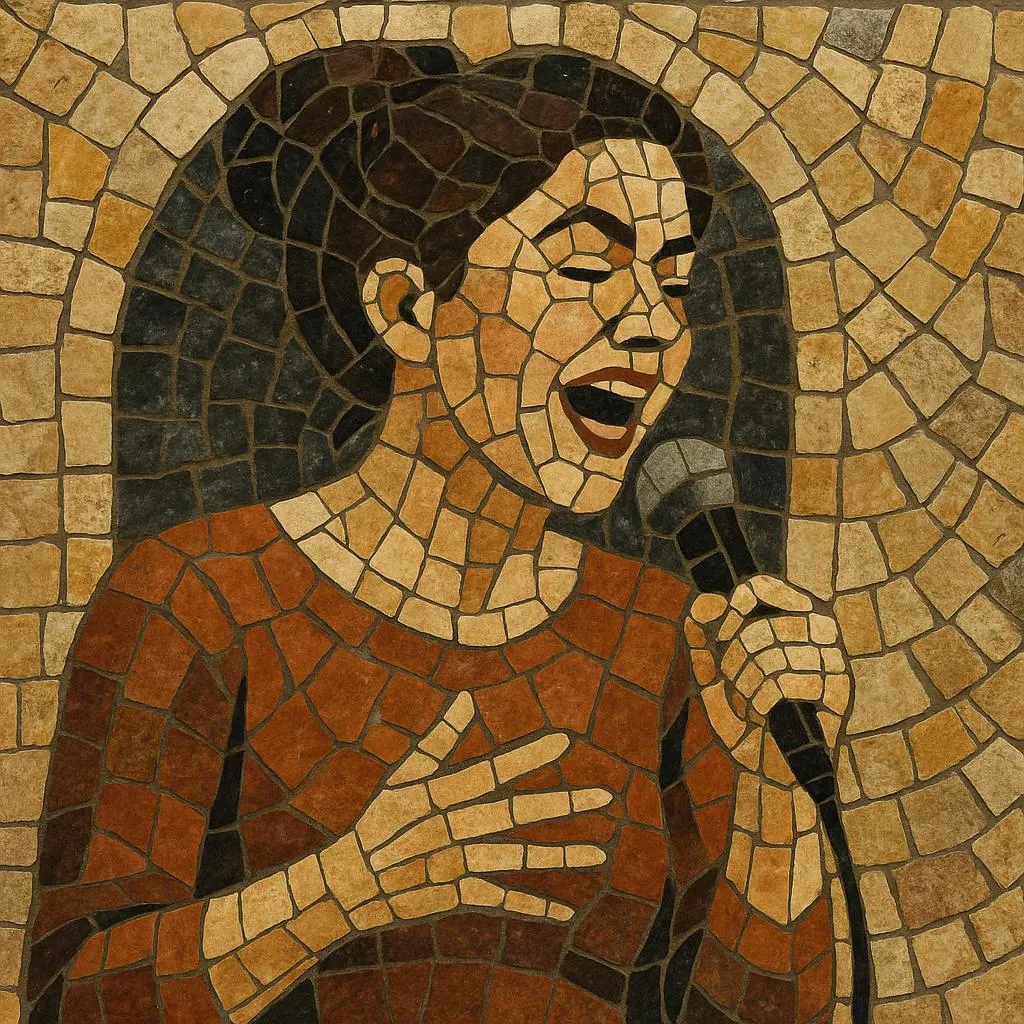
Comedienne is a tag used for recorded stand‑up and spoken performance by women comedians. In practice it maps to the contemporary ecosystem of female stand‑up comics—albums, singles, and specials released on record labels and digital platforms.
It foregrounds the comedic voice, persona, and point of view of women. Typical subject matter includes identity, relationships, work, sexuality, gender roles, politics, and everyday observations, ranging from clean, conversational sets to edgy, confrontational material. Delivery is primarily spoken word (microphone, live audience), sometimes blended with musical bits, crowd work, or character pieces.
While the term itself is historically gendered and increasingly avoided in favor of the gender‑neutral “comedian,” as a genre tag it conveniently groups the discography of women in stand‑up across generations—from club recordings to arena specials and podcast spin‑offs.
History
Women have been central to live comedy since vaudeville and cabaret, where comic monologues, songs, and character sketches were staples. Radio variety and early television also featured women comics, but few released standalone comedy records.
The boom in comedy LPs in the 1950s–60s (enabled by the long‑playing record and club circuits) coincided with more women taking club stages and committing their acts to vinyl. The broader social currents of second‑wave feminism legitimized frank, personal material about gender and domestic life, expanding audience appetite for women’s comedic perspectives.
The rise of cable (HBO, Showtime, later Comedy Central) and national touring circuits created demand for hour‑long specials. Women comics achieved mainstream visibility through premium‑cable sets, late‑night appearances, and bestselling albums. This period also saw the crossover into film and TV, where stand‑up personas anchored sitcoms and specials.
CDs, downloads, streaming, and video platforms democratized distribution. Women comics built global audiences via viral clips, podcasts, and social media, while touring internationally. Thematic breadth widened—from confessional and observational comedy to identity‑driven and political sets—often released simultaneously as audio albums and video specials.
The genre is global and multigenerational, with club tapings, arena recordings, and festival sets coexisting. Although the term “comedienne” is dated, as a cataloging label it continues to surface the work of women comedians in stand‑up and spoken‑word comedy across platforms.